
Dr Kanhaiya Lal K
About Me
Dr Kanhaiya Lal K
MD
ENDOCRINOLOGIST
Biography
My Clinic
OPD Hours
| Monday | Morning | 10:00 AM | - | 02:00 PM |
| Evening | 06:00 PM | - | 09:00 PM | |
| Tuesday | Morning | 10:00 AM | - | 02:00 PM |
| Evening | 06:00 PM | - | 09:00 PM | |
| Wednesday | Morning | 10:00 AM | - | 02:00 PM |
| Evening | 06:00 PM | - | 09:00 PM | |
| Thursday | Morning | 10:00 AM | - | 02:00 PM |
| Evening | 06:00 PM | - | 09:00 PM | |
| Friday | Morning | 10:00 AM | - | 02:00 PM |
| Evening | 06:00 PM | - | 09:00 PM | |
| Saturday | Morning | 10:00 AM | - | 02:00 PM |
| Evening | 06:00 PM | - | 09:00 PM | |
| Sunday | Morning | 10:00 AM | - | 02:00 PM |
| Evening | 06:00 PM | - | 09:00 PM |
Treatments
Specialised care and treatments offered
OSTEOPOROSIS
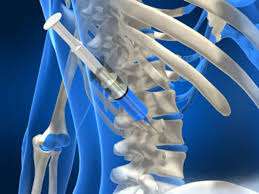
This skeletal disorder is characterized by decreased bone density which increases fracture risk. Osteoporosis often progresses silently until a fracture occurs due to minimal trauma—commonly referred to as a 'silent thief'.
- The main contributing factors include aging population trends alongside insufficient calcium intake coupled with sedentary lifestyles contributing toward bone weakening over time.
- Symptoms: Many individuals experience no symptoms until fractures occur; however stooped posture or back pain could be indicators worth monitoring closely.
- Diagnosis: Diagnosis typically involves bone density scanning (DEXA scan) alongside clinical assessment identifying risk factors associated with falls & injuries among elderly individuals.
- Treatment approaches: Management may include dietary changes ensuring adequate calcium/vitamin D intake along with pharmacological interventions aimed at strengthening bones preventing further deterioration.
Timely detection proves beneficial allowing ongoing support systems facilitating healthier lifestyles thereby enhancing overall well-being reducing fracture incidences among vulnerable populations !
CUSHING'S SYNDROME

Cushing's syndrome results from prolonged exposure to high cortisol levels in the body. This excess can originate from various sources including tumors or prolonged use of corticosteroid medications.
- The primary symptoms include rapid weight gain around the face and abdomen, easy bruising, high blood pressure, and skin changes like purple stretch marks.
- A thorough evaluation typically includes blood tests, urine tests measuring cortisol levels over 24 hours, and imaging studies such as MRI or CT scans if necessary for tumor identification.
- Treatment options vary but may include surgical intervention if a tumor is present or making adjustments in medication if corticosteroids are involved causing the syndrome’s manifestations.
If diagnosed early enough, most patients can manage Cushing’s syndrome effectively leading to improvement in quality of life after treatment onset. Continuous follow-ups are essential for ensuring long-term success against this complex condition.
POLYCYSTIC OVARY SYNDROME (PCOS)

This hormonal disorder affects women of reproductive age and can lead to various metabolic issues. PCOS is characterized by irregular menstrual cycles and the presence of multiple cysts on the ovaries.
- An imbalance in hormones, particularly elevated androgen levels, often leads to symptoms such as hair growth in unusual areas (hirsutism), acne, or weight gain.
- The diagnosis involves evaluating medical history, conducting physical exams, and using ultrasound imaging of the ovaries.
- Treatment approaches may focus on regulating menstrual cycles via hormonal contraceptives or managing symptoms through lifestyle modifications such as diet and exercise programs aimed at achieving ideal weight.
A comprehensive approach ensures better management of PCOS symptoms. Early diagnosis contributes significantly towards improving overall reproductive health in women experiencing these symptoms.
HYPERTHYROIDISM

Hyperthyroidism occurs when the thyroid gland produces excessive hormones, leading to an accelerated metabolism. This condition can cause various symptoms that impact daily life.
- Common symptoms: Increased heart rate, weight loss despite normal appetite, sweating, and anxiety often manifest in patients.
- Diagnostic methods: Blood tests measuring T3 and T4 hormone levels along with TSH help in diagnosing hyperthyroidism efficiently.
- Treatment options: Managing this condition may involve antithyroid medications, radioactive iodine treatment, or surgery in severe cases.
- Expectations post-treatment: Patients usually notice symptom relief within weeks of treatment initiation and require ongoing monitoring to adjust therapy as needed.
Catching hyperthyroidism early can prevent complications such as heart problems. Effective management leads to a better quality of life for patients affected by this disorder.
HYPOTHYROIDISM

This condition occurs when the thyroid gland does not produce enough thyroid hormones. Hypothyroidism can affect various bodily functions including metabolism and energy levels.
- Symptoms: Patients often experience fatigue, weight gain, cold intolerance, and depression.
- Diagnosis: A simple blood test measuring Thyroid-Stimulating Hormone (TSH) helps confirm the condition.
- Treatment strategies: Hormone replacement therapy with levothyroxine is typically prescribed to restore normal hormone levels.
- Monitoring: Regular follow-up blood tests ensure that hormone levels remain in the target range for optimal health.
Treatment adherence can significantly improve quality of life for those diagnosed with this condition. Proper management is vital for long-term health outcomes.
DIABETES MELLITUS

Diabetes Mellitus is a chronic condition characterized by elevated blood sugar levels. It arises when the body either fails to produce enough insulin or resists its effects, leading to various complications if not managed appropriately.
- Symptoms: Common signs include excessive thirst, frequent urination, fatigue, and blurred vision.
- Diagnosis: Blood tests such as fasting glucose levels and HbA1c tests are used to assess diabetes.
- Treatment options: Management may involve lifestyle changes like diet and exercise, oral medications, or insulin therapy.
- What to expect: Regular monitoring of blood sugar levels is crucial for maintaining health and preventing complications.
If left untreated, Diabetes can lead to serious health issues like heart disease and kidney damage. Early intervention is essential for effective management.