
Dr Kanchan Srivastava
About Me
Dr Kanchan Srivastava
MD
Dermatologist
10 Years Experience
Biography
My Clinic
OPD Hours
| Monday | Morning | 10:00 AM | - | 02:00 PM |
| Evening | 06:00 PM | - | 09:00 PM | |
| Tuesday | Morning | 10:00 AM | - | 02:00 PM |
| Evening | 06:00 PM | - | 09:00 PM | |
| Wednesday | Morning | 10:00 AM | - | 02:00 PM |
| Evening | 06:00 PM | - | 09:00 PM | |
| Thursday | Morning | 10:00 AM | - | 02:00 PM |
| Evening | 06:00 PM | - | 09:00 PM | |
| Friday | Morning | 10:00 AM | - | 02:00 PM |
| Evening | 06:00 PM | - | 09:00 PM | |
| Saturday | Morning | 10:00 AM | - | 02:00 PM |
| Evening | 06:00 PM | - | 09:00 PM | |
| Sunday | Morning | 10:00 AM | - | 02:00 PM |
| Evening | 06:00 PM | - | 09:00 PM |
Treatments
Specialised care and treatments offered
CHEMICAL PEELS
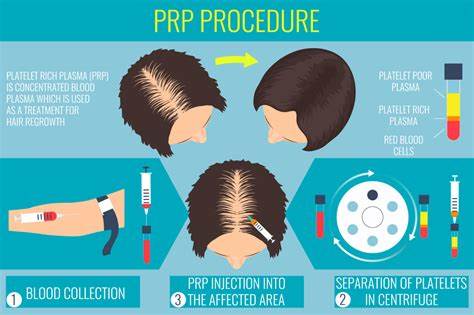
A chemical peel is a cosmetic treatment aimed at improving the appearance of the face through controlled exfoliation using chemical solutions. This procedure helps address issues like fine lines, acne scars, hyperpigmentation while promoting smoother skin texture overall!
- Symptoms addressed : Patients often report concerns surrounding rough texture/dullness/discoloration leading them towards seeking effective alternatives!.
- Causes triggering need for treatment : Environmental factors/sun damage alongside aging processes play significant roles having negative impacts on youthful radiance over time!.
- Diagnosing necessity : Typically evaluates via discussion about goals/outcomes desired before proposing specific types/treatments suited accordingly!.
- Treatment implications involved : Different formulations exist favoring varying levels strength-based upon conditions being treated therefore consultation paramount helps tailor approaches accordingly maximally benefitting each unique case presented!
SKIN CANCER SCREENING
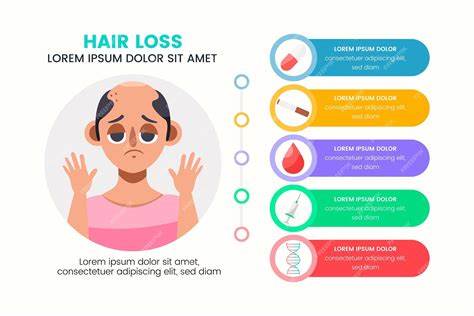
An essential preventive measure in dermatology involves regular screenings for skin cancer. Early detection plays a crucial role in successful treatment outcomes associated with malignant growths like melanoma and basal cell carcinoma.
- Symptoms : Key indicators include unusual moles changing shape/color/size rapidly alongside lesions not healing properly that could signify malignancy!
- Causes : Extended sun exposure combined with family history raises risks significantly; hence vigilance regarding sun protection remains critical!.
- Diagnoses : Detecting suspicious areas generally involves full-body examinations conducted by trained dermatologists looking specifically at any changes occurring!.
- Treatments available : When diagnosed early enough surgical removals & other modalities help eliminate perceivable risks definitively protecting health overall!.
- What lies ahead? : Post-treatment follow-up will ensure there's continual monitoring ensuring maximum effectiveness against recurrence occurring thereafter!.
The benefit derived from these screenings cannot be overstated! Regular consultations foster good habits toward maintaining one’s overall well-being—empowering snowball effect toward healthier future choices!
ROSACEA
This chronic facial condition is known for causing redness across the cheeks, nose, forehead, and chin. Rosacea can also lead to visible blood vessels and small pus-filled bumps resembling acne.
- Symptoms: Individuals often experience facial flushing or persistent redness along with sensitive skin that may sting or burn when exposed to certain triggers.
- Causes: Although its exact cause remains unclear, factors such as genetics or environmental influences might exacerbate its onset!
- Diagnostics : Dermatologists assess rosacea through visual evaluation during an office visit while considering family history!
- Treatment : Various topical agents alongside lifestyle adjustments are commonly used; antibiotics may also be indicated for severe cases.!
- What you should know: While there's no definitive cure for rosacea yet treating symptoms effectively helps enhance quality of life significantly!
Consistent care aids in managing flare-ups efficiently!
PSORIASIS
Psoriasis is a chronic autoimmune condition that leads to the rapid buildup of skin cells resulting in scaling on the surface of the skin. This common disorder often presents itself as plaques on various parts of the body including elbows and knees.
- Symptoms: Typical symptoms include red patches covered with thick white scales that may cause discomfort or itching.
- Causes: Factors like genetics and immune system dysfunction are believed to play a role in its development.
- Diagnosis: A healthcare professional usually identifies psoriasis based on clinical appearance alone; biopsies may be used for atypical cases.
- Treatment options: Options can vary from topical therapies and phototherapy to systemic medications depending on severity.
- What to expect: Although there is no cure for psoriasis, effective management can lead to periods of remission where symptoms are alleviated considerably.
An individualized treatment plan can make living with psoriasis much more manageable.
ECZEMA
Eczema is characterized by dry, itchy, and inflamed patches of skin. It most commonly affects children but can persist into adulthood as well.
- Symptoms: Symptoms often include intense itching, redness, and flaking of the skin in affected areas.
- Causes: The exact cause is unknown but it may involve genetic factors combined with environmental triggers such as allergens or irritants.
- Diagnosis: Diagnosis typically involves a thorough assessment of medical history and physical examination by a dermatologist.
- Treatment options: Management often includes moisturizers, topical corticosteroids, or immunomodulators to relieve inflammation.
- What to expect: With appropriate management strategies in place, many patients experience significant relief from symptoms over time.
A proactive approach can help control eczema flare-ups effectively.
ACNE
Acne is a common skin condition that manifests as pimples, blackheads, and cysts. It primarily affects adolescents but can occur at any age due to hormonal changes, genetics, or certain medications.
- Symptoms: Includes red spots on the skin, oiliness, and sometimes scarring.
- Causes: Hormonal fluctuations, excess oil production, and clogged hair follicles often contribute to acne formation.
- Diagnosis: A dermatologist can diagnose this condition through a physical examination of the skin.
- Treatment options: Management may include topical treatments, oral medications, or chemical peels tailored to the severity of the condition.
- What to expect: Results vary by individual, and consistent treatment is essential for improvement.
Proper care can greatly reduce acne breakouts and improve skin health over time.