
Dr Kamlesh Kumar Singh
About Me
Dr Kamlesh Kumar Singh
MBBS
General Physician
10 Years Experience
Biography
My Clinic
OPD Hours
| Monday | Morning | 10:00 AM | - | 02:00 PM |
| Evening | 06:00 PM | - | 09:00 PM | |
| Tuesday | Morning | 10:00 AM | - | 02:00 PM |
| Evening | 06:00 PM | - | 09:00 PM | |
| Wednesday | Morning | 10:00 AM | - | 02:00 PM |
| Evening | 06:00 PM | - | 09:00 PM | |
| Thursday | Morning | 10:00 AM | - | 02:00 PM |
| Evening | 06:00 PM | - | 09:00 PM | |
| Friday | Morning | 10:00 AM | - | 02:00 PM |
| Evening | 06:00 PM | - | 09:00 PM | |
| Saturday | Morning | 10:00 AM | - | 02:00 PM |
| Evening | 06:00 PM | - | 09:00 PM | |
| Sunday | Morning | 10:00 AM | - | 02:00 PM |
| Evening | 06:00 PM | - | 09:00 PM |
Treatments
Specialised care and treatments offered
PREVENTIVE HEALTH SCREENINGS
Preventive health screenings are vital for early detection of potential health issues before they escalate. Staying informed about recommended screenings based on age and risk factors can greatly enhance overall well-being!
- < li >< strong>Screening frequency:should align with age/gender guidelines provided by healthcare professionals. < li >Changes/symptoms necessitating earlier screening should always consult your GP. < / ul >
THYROID DISORDERS

Thyroid disorders affect how your body regulates metabolism through hormone production. Recognition of symptoms leads to essential evaluations allowing proper treatment pathways to be established quickly.
GASTROESOPHAGEAL REFLUX DISEASE (GERD)

GERD is a digestive disorder where stomach acid flows back into the esophagus causing irritating symptoms. Patients should know how to recognize this condition for timely treatment interventions.
- The common symptom includes heartburn that occurs frequently after meals or when lying down at night
- A healthcare provider will diagnose GERD based on symptoms and may recommend endoscopy in severe cases to assess esophageal damage.
- Treatment options typically encompass lifestyle modifications such as avoiding acidic foods, weight loss efforts, medications like proton pump inhibitors for acid reduction, or surgery in extreme circumstances.
- A proper plan can help manage symptoms effectively and improve quality of life significantly over time.
Catching GERD early allows better management strategies for avoiding serious complications down the line.
RESPIRATORY INFECTIONS
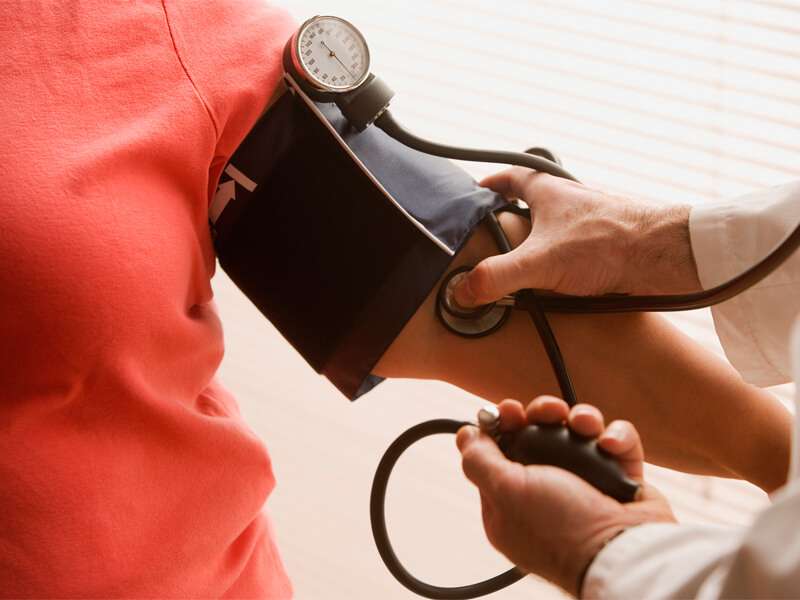
Respiratory infections can range from mild illnesses like the common cold to severe conditions such as pneumonia. Understanding these infections helps in timely diagnosis and treatment.
- Common symptoms include cough, fever, sore throat, and difficulty breathing.
- Diagnosis often involves reviewing medical history and conducting physical examinations; chest X-rays may be used for more severe cases.
- Treatment varies with the infection type; bacterial infections may require antibiotics while viral infections generally focus on symptom relief.
- Staying hydrated and getting adequate rest are crucial components of recovery.
- If symptoms worsen or do not improve within a few days, follow-up consultation is advised to rule out complications.
Understanding your respiratory health is vital for prompt intervention in case of infections.
HYPERTENSION TREATMENT

Hypertension, or high blood pressure, often presents no symptoms but poses significant health risks over time. Effective management is vital to avoid serious complications like heart attack or stroke.
- The condition can be caused by factors such as obesity, poor diet, and stress.
- Diagnosis usually involves routine blood pressure readings during check-ups.
- Treatment strategies often include lifestyle changes like dietary adjustments, regular physical activity, and sometimes medication such as diuretics or ACE inhibitors.
- Regular monitoring is key to ensuring that blood pressure remains within a healthy range.
- Persistent hypertension requires long-term management to reduce associated risks significantly.
A proactive approach to managing hypertension can enhance quality of life and health outcomes.
DIABETES MANAGEMENT

Diabetes is a chronic condition that affects how your body processes blood sugar (glucose). Proper management of diabetes is crucial to prevent complications. Understanding its symptoms and treatment options can empower patients.
- Symptoms may include frequent urination, increased thirst, fatigue, and blurred vision.
- Diagnosing diabetes typically involves measuring blood glucose levels through fasting tests or A1C tests.
- Treatment includes lifestyle changes like diet modification and exercise along with medication, such as insulin therapy if necessary.
- Regular monitoring of blood sugar levels is essential for effective management.
- Patients should also be aware of the potential complications if not managed properly, such as heart disease and nerve damage.
With appropriate care and lifestyle modifications, individuals with diabetes can lead healthy lives.