
Dr Kamal Rohra C
About Me
Dr Kamal Rohra C
MBBS
General Physician
10 Years Experience
Biography
My Clinic
OPD Hours
| Monday | Morning | 10:00 AM | - | 02:00 PM |
| Evening | 06:00 PM | - | 09:00 PM | |
| Tuesday | Morning | 10:00 AM | - | 02:00 PM |
| Evening | 06:00 PM | - | 09:00 PM | |
| Wednesday | Morning | 10:00 AM | - | 02:00 PM |
| Evening | 06:00 PM | - | 09:00 PM | |
| Thursday | Morning | 10:00 AM | - | 02:00 PM |
| Evening | 06:00 PM | - | 09:00 PM | |
| Friday | Morning | 10:00 AM | - | 02:00 PM |
| Evening | 06:00 PM | - | 09:00 PM | |
| Saturday | Morning | 10:00 AM | - | 02:00 PM |
| Evening | 06:00 PM | - | 09:00 PM | |
| Sunday | Morning | 10:00 AM | - | 02:00 PM |
| Evening | 06:00 PM | - | 09:00 PM |
Treatments
Specialised care and treatments offered
ANEMIA EVALUATION AND MANAGEMENT
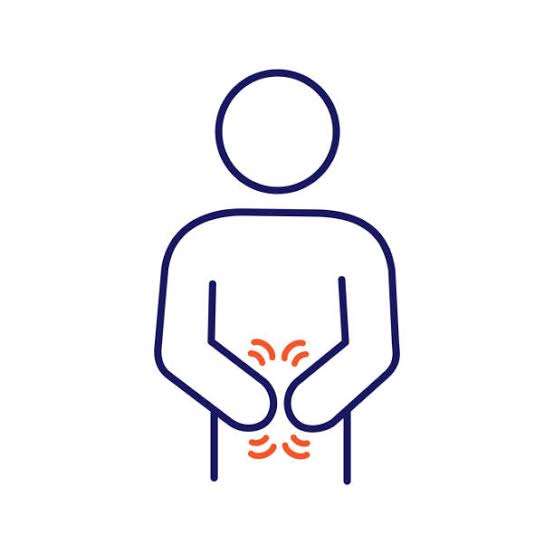
Anemia is characterized by decreased red blood cells or hemoglobin causing tiredness and weakness. Identifying underlying reasons guides tailored treatment improving overall vitality effectively.
- Common causes : Nutritional deficiencies like iron deficiency are prevalent alongside chronic diseases impacting production/function
- Symptoms presentation : Paleness, fatigue, shortness of breath upon exertion frequently raise suspicion prompting medical review
- Diagnostic approach : Complete blood count tests evaluate hemoglobin level/type along with additional lab studies for cause identification
- Therapeutic options : Iron supplements,diet enhancement addressing deficits plus managing chronic conditions support recovery
Timely intervention lessens symptoms substantially enhancing energy levels thereby improving everyday performance quality safely
ACUTE GASTROENTERITIS CARE

This condition refers to inflammation of the stomach and intestines leading to diarrhea and vomiting. It frequently arises due to infections but manageable with supportive care at home or clinically if needed.
- Symptoms : Diarrhea often watery in nature; abdominal pain; nausea; sometimes fever accompany episodes
- Causes : Viral pathogens predominate but bacteria or parasites can also be responsible depending on exposure
- Diagnosis : Mostly clinical evaluation; stool tests performed in prolonged or severe cases help target specific therapy
- Treatment & management : Rehydration via fluids/oral rehydration solutions remains cornerstone + dietary adjustments avoiding irritants
Most cases resolve within days with symptom relief measures although prompt attention needed when dehydration signs appear especially among children/elderly
HYPOTHYROIDISM TREATMENT

An underactive thyroid gland leads to slower metabolism affecting various body functions. Timely diagnosis allows effective hormone level restoration through appropriate therapy.
- Causative factors & symptoms: Fatigue, weight gain, cold intolerance, dry skin; commonly caused by autoimmune conditions or iodine deficiency.
- Testing procedures: Blood tests measuring Thyroid Stimulating Hormone (TSH) and thyroxine (T4) levels establish diagnosis clearly.
- The standard therapy: Daily oral thyroid hormone replacement normalizes metabolic activity efficiently when dosed correctly by healthcare professionals.
- Treatment monitoring: Regular follow-ups ensure proper dosage adjustment preventing over- or undertreatment scenarios which can affect wellbeing adversely.
Euthyroid status achieved through lifelong treatment greatly enhances patient energy levels and overall health status.
CHRONIC OBSTRUCTIVE PULMONARY DISEASE (COPD)
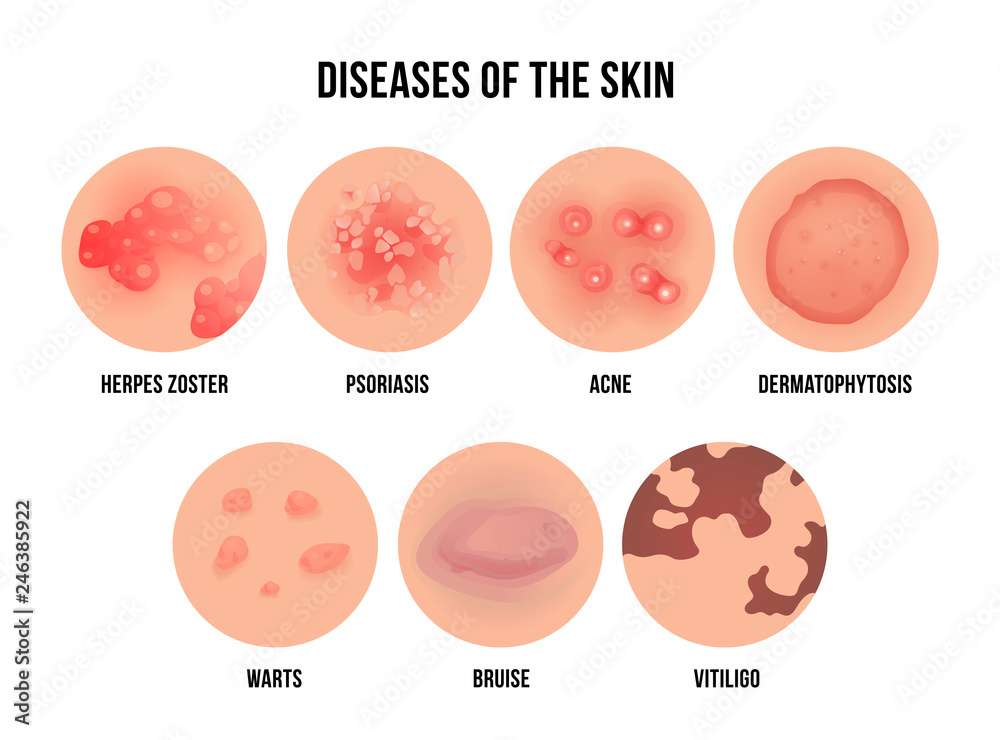
This lung disease primarily causes breathing difficulties due to airflow obstruction and inflammation. Early detection aids in better disease control and symptom relief.
- Main symptoms: Persistent cough with mucus production, shortness of breath especially during exertion, wheezing.
- Diagnostic tools: Pulmonary function tests including spirometry assess lung capacity; chest imaging may support diagnosis.
- Treatment strategies: Smoking cessation is critical; inhaled bronchodilators and steroids help reduce symptoms;
- Lifestyle impact: Pulmonary rehabilitation exercises improve breathing efficiency; oxygen therapy may be necessary in advanced cases.
A personalized treatment plan helps maintain daily activities while slowing disease progression over time.
TYPE 2 DIABETES MELLITUS CARE

Type 2 diabetes occurs when the body becomes resistant to insulin or doesn't produce enough of it. Managing this chronic condition effectively helps prevent severe complications.
- Symptoms and causes: Common signs include increased thirst, frequent urination, and fatigue; risk factors are obesity, inactivity, and family history.
- Diagnostic tests: Blood sugar measurements such as fasting glucose and HbA1c levels confirm diagnosis.
- Treatment approaches: Diet regulation, regular exercise, oral medications, or insulin therapy form the core management strategies.
- Ongoing care: Monitoring glucose levels regularly along with periodic screenings for eye, kidney, and nerve damage is important for comprehensive management.
Lifestyle adjustments combined with medical therapy allow many to lead healthy lives despite diabetes diagnosis.
HYPERTENSION MANAGEMENT
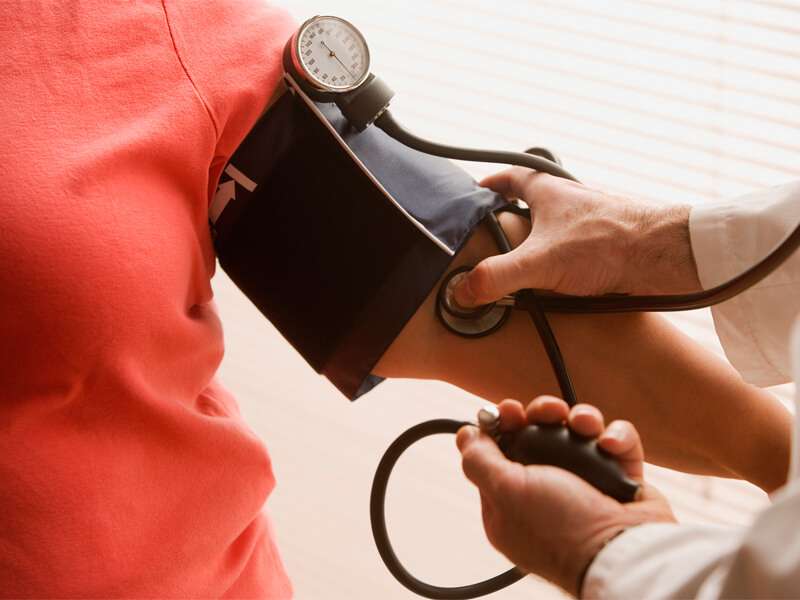
High blood pressure is a common health concern that can lead to serious complications if left unmanaged. Maintaining blood pressure within the recommended range is essential for overall cardiovascular health.
- Symptoms and causes: Often asymptomatic, hypertension can be influenced by lifestyle factors such as diet, physical inactivity, and genetics.
- Diagnosis: Regular blood pressure monitoring using a cuff-based device helps confirm persistent hypertension.
- Treatment options: Lifestyle modifications including diet changes and exercise are first-line, often combined with prescribed medications to control blood pressure effectively.
- Management: Consistent follow-up visits and adherence to treatment plans are crucial to prevent complications like heart disease or stroke.
Understanding and managing hypertension early improves quality of life and reduces long-term health risks significantly.