
DR Kamal J Mehta
About Me
DR Kamal J Mehta
MBBS
General Physician
10 Years Experience
Biography
My Clinic
OPD Hours
| Monday | Morning | 10:00 AM | - | 02:00 PM |
| Evening | 06:00 PM | - | 09:00 PM | |
| Tuesday | Morning | 10:00 AM | - | 02:00 PM |
| Evening | 06:00 PM | - | 09:00 PM | |
| Wednesday | Morning | 10:00 AM | - | 02:00 PM |
| Evening | 06:00 PM | - | 09:00 PM | |
| Thursday | Morning | 10:00 AM | - | 02:00 PM |
| Evening | 06:00 PM | - | 09:00 PM | |
| Friday | Morning | 10:00 AM | - | 02:00 PM |
| Evening | 06:00 PM | - | 09:00 PM | |
| Saturday | Morning | 10:00 AM | - | 02:00 PM |
| Evening | 06:00 PM | - | 09:00 PM | |
| Sunday | Morning | 10:00 AM | - | 02:00 PM |
| Evening | 06:00 PM | - | 09:00 PM |
Treatments
Specialised care and treatments offered
CHRONIC OBSTRUCTIVE PULMONARY DISEASE (COPD) EVALUATION
This progressive lung disease obstructs airflow causing breathing difficulties especially in smokers or those exposed to pollutants. Proper assessment enables symptom control and quality-of-life improvement strategies tailored individually.
- Causal factors and symptoms: Chronic cough , sputum production , breathlessness triggered by exposure to irritants .
- Diagnostic tools : Spirometry testing measures airflow limitation confirming COPD diagnosis . Chest X-rays assist ruling out other conditions .
- Treatment methods : Smoking cessation , inhaled bronchodilators / corticosteroids reduce inflammation , pulmonary rehabilitation enhances lung function.
- Long term expectations : Although irreversible damage exists , treatment slows progression minimizing acute exacerbations .
- Monitoring : Regular follow-ups ensure adjustments in therapy depending on symptom changes .
This comprehensive evaluation assists in managing chronic respiratory impairment through evidence-based interventions promoting better daily functioning .
THYROID FUNCTION TESTING

The thyroid gland regulates metabolism through hormone secretion. Abnormalities can cause wide-ranging symptoms requiring evaluation via specific tests to guide management decisions effectively.
ROUTINE HEALTH CHECK-UP

A routine health screening helps identify potential health issues before they become serious problems. It promotes preventive healthcare measures tailored to individual risk profiles.
- Screens involved: Blood pressure measurement, blood sugar testing, lipid profile evaluation among others based on age and risk factors.
- Purpose of tests: Early detection of diseases like diabetes or cardiovascular conditions even when asymptomatic.
- Efficacy of check-ups: Enables timely intervention through lifestyle counseling or medications reducing future morbidity risks significantly.
- Counseling aspect: Doctors discuss diet, exercise habits along with vaccination status during these visits for holistic care guidance.
This preventive strategy supports maintaining overall wellness by routinely assessing vital parameters and recommending individualized action plans accordingly.
UPPER RESPIRATORY TRACT INFECTION (URTI)
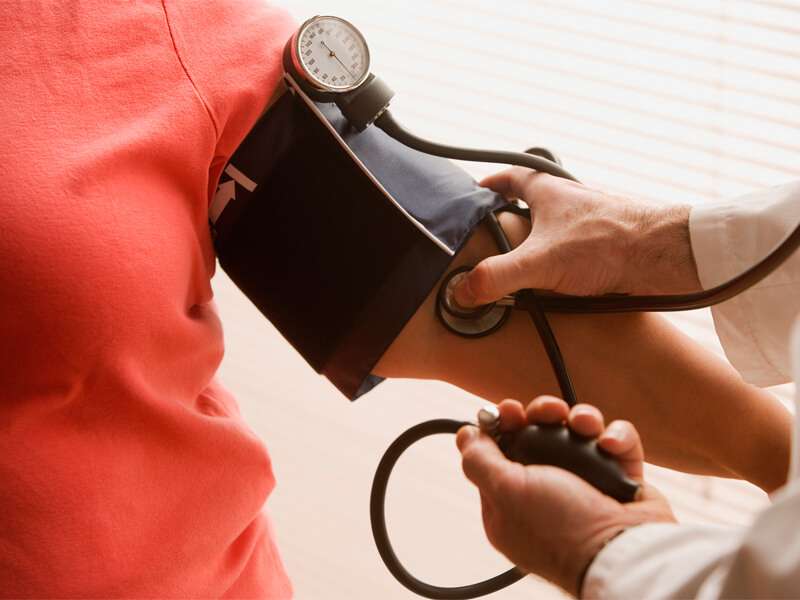
Infections affecting the nose, throat, and airways are common and usually self-limiting but require appropriate care to avoid complications.
- Main symptoms: Runny nose, sore throat, cough, congestion generally arise from viral infections.
- Causative factors: Viral exposure including common cold viruses like rhinovirus; occasionally bacterial superinfection may occur.
- Diagnosis method: Based primarily on clinical presentation; lab tests may be reserved for severe or persistent cases.
- Treatment principles: Symptomatic relief with fluids, rest; antibiotics only in bacterial cases confirmed by clinical judgment.
- Expected course: Most resolve within 7-10 days without lasting effects when properly managed.
The emphasis lies in supportive care while monitoring signs that warrant further medical intervention if symptoms worsen or persist beyond typical duration.
DIABETES MELLITUS TYPE 2

This chronic metabolic disorder affects the way your body processes blood sugar. Proper understanding is vital for preventing complications.
- Symptoms and causes: Excessive thirst, frequent urination, fatigue; often linked to obesity and sedentary lifestyle.
- Diagnostic process: Blood tests measuring fasting glucose or HbA1c levels confirm diagnosis.
- Treatment approach: Combination of dietary regulation, regular exercise, oral hypoglycemic agents, or insulin therapy if necessary.
- Lifestyle modifications: Weight management and controlled carbohydrate intake are key components.
- Monitoring: Periodic blood sugar checks prevent long-term complications like neuropathy or kidney damage.
A dedicated approach combining medical care with healthy habits facilitates effective diabetes control over time.
HYPERTENSION MANAGEMENT

High blood pressure or hypertension is a common condition that can lead to serious health issues if left untreated. It requires ongoing monitoring and lifestyle changes alongside medical management.
- Causes and symptoms: Often symptomless initially, it may result from genetics, diet high in salt, stress, or lack of physical activity.
- Diagnosis: Multiple blood pressure readings over time with accurate sphygmomanometer use confirm diagnosis.
- Treatment options: Lifestyle modification including diet and exercise, along with prescribed medications such as ACE inhibitors or beta-blockers.
- Monitoring: Regular check-ups help track treatment effectiveness and adjust medication as needed.
- Prognosis: With proper control, risks of heart attack and stroke reduce significantly.
Caring for hypertension often involves a partnership between patient and doctor to maintain optimal blood pressure levels for long-term health.