
Dr K.K Jayaswal
About Me
Dr K.K Jayaswal
MS
Orthopaedic Surgeons
10 Years Experience
Biography
My Clinic
OPD Hours
| Monday | Morning | 10:00 AM | - | 02:00 PM |
| Evening | 06:00 PM | - | 09:00 PM | |
| Tuesday | Morning | 10:00 AM | - | 02:00 PM |
| Evening | 06:00 PM | - | 09:00 PM | |
| Wednesday | Morning | 10:00 AM | - | 02:00 PM |
| Evening | 06:00 PM | - | 09:00 PM | |
| Thursday | Morning | 10:00 AM | - | 02:00 PM |
| Evening | 06:00 PM | - | 09:00 PM | |
| Friday | Morning | 10:00 AM | - | 02:00 PM |
| Evening | 06:00 PM | - | 09:00 PM | |
| Saturday | Morning | 10:00 AM | - | 02:00 PM |
| Evening | 06:00 PM | - | 09:00 PM | |
| Sunday | Morning | 10:00 AM | - | 02:00 PM |
| Evening | 06:00 PM | - | 09:00 PM |
Treatments
Specialised care and treatments offered
ULTRASOUND IMAGING
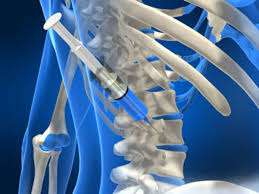
Ultrasound imaging has emerged as a valuable tool in orthopaedics for visualizing soft tissue structures surrounding joints and assessing musculoskeletal injuries without exposure to radiation. This modality supports both diagnostics and therapeutic interventions effectively within clinical settings
- Conditions indicated may involve tendonitis or bursitis where patients present localized tenderness along with mobility limitations.
- The ultrasound exam typically entails applying gel onto affected areas followed by sweeping motions using a handheld probe capturing clear dynamic images while moving through different angles identifying abnormalities present inside.{/...}
- Treatment options post-imaging could encompass guided injections into inflamed areas helping alleviate pain caused by underlying pathologies observed during assessments . (typically)], directly targeting root causes identified earlier .
As patients return home following examinations they can appreciate non-invasiveness along simplicity translating positively towards accessible healthcare services available community-wide including diagnosis follow-ups here Kanpur .
BONE DENSITY TEST
A Bone Density Test (DEXA scan) assesses bone health by measuring mineral density within bones. This test is crucial for diagnosing osteoporosis and evaluating fracture risk among individuals at higher risk due to age or medical history.
- This test is often recommended for individuals experiencing loss of height, chronic back pain, or those who have had previous fractures without significant trauma.
- The diagnosis process involves non-invasive scanning technology that quantitatively evaluates how dense your bones are compared to standards for your age group.
- If osteoporosis is diagnosed, management might include medications aimed at strengthening bones along with lifestyle adjustments like diet modification and exercise routines focused on bone health improvement.
- Patients should anticipate minimal discomfort during testing; it takes only about 10-30 minutes depending on areas scanned.
- Early detection through this test leads to better prevention strategies against potential fractures later down the road.
Overall being proactive about screening promotes healthier lives among Kanpur residents aware they’re at risk for osteoporosis concerns!
CT SCANS FOR COMPLEX FRACTURES

Computed Tomography (CT) scans offer detailed cross-sectional views of bones and surrounding tissues suitable for evaluating intricate fractures that standard X-rays might miss. This advanced imaging technique enhances diagnostic accuracy significantly.
- Indications for CT scans usually include complex fracture patterns or trauma cases where there is suspicion of injury that could impact surgery decisions.
- Differentiating between types of fractures requires meticulous imaging, which CT provides through its comprehensive 3D reconstructions of bone structures.
- A multidisciplinary approach involving radiologists and orthopaedic surgeons often follows CT findings to decide on optimal treatment paths based on severity and complexity of injuries.
- Patients can expect a quick yet thorough process with instructions provided before scanning; typically they will lie still while images are obtained.
- The scan gives substantial insights leading to faster recovery as appropriate treatments can be initiated sooner.
Utilizing CT scans greatly benefits providers in Kanpur by improving overall care quality for patients sustaining severe injuries.
X-RAY IMAGING

X-ray imaging is one of the fundamental tools in orthopaedic diagnostics. It allows clear visualization of bone structures and helps identify fractures or other abnormalities quickly and efficiently.
- Commonly indicated for traumatic injuries involving sudden pain or deformity in limbs due to suspected fractures or breaks.
- A straightforward examination usually involves positioning the patient near an X-ray machine while images are captured from different angles.
- X-rays are effective in diagnosing conditions like osteoarthritis by showing changes in bone density and structure over time.
- Treatment strategies can be determined based on X-ray findings; fractures may require splinting or surgical intervention as necessary.
- The procedure itself is quick with minimal discomfort and uses low levels of radiation for safety during diagnosis.
Overall, X-rays play a vital role in guiding orthopaedic care by facilitating timely interventions for various conditions.
MRI SCANS FOR JOINT DISORDERS

Magnetic Resonance Imaging (MRI) is an essential diagnostic tool used in orthopaedics to visualize soft tissues around joints. Its high-resolution images allow for accurate assessments of various joint disorders.
- MRI is commonly employed when patients experience unexplained pain, swelling, or other symptoms affecting their joints.
- The procedure does not involve radiation; instead, it uses strong magnets and radio waves to generate images.
- Conditions such as ligament tears, cartilage damage, or inflammatory diseases are effectively diagnosed through MRI.
- After the imaging process, treatment options will depend on the specific diagnosis made from the MRI results.
- Patients should expect a comfortable experience with little to no side effects from the MRI itself.
This diagnostic method provides critical information for developing effective treatment plans tailored to individual patient needs.
ARTHROSCOPY

Arthroscopy is a minimally invasive surgical procedure used to diagnose and treat joint conditions. It allows doctors to view the inside of a joint through small incisions, providing a clearer picture of any issues.
- The most common symptoms that may indicate the need for arthroscopy include persistent joint pain, swelling, stiffness, and decreased range of motion.
- Diagnosis typically involves imaging tests such as MRI or X-rays, combined with a physical examination to evaluate joint function.
- Treatment options can vary; during the procedure, damaged tissue may be repaired or removed depending on the findings.
- Post-operative management often includes physical therapy to facilitate recovery and restore mobility.
- Patients can expect reduced pain and improved function after recovery, often returning to normal activities in a few weeks.
This technique offers a less invasive alternative to traditional open surgery, enhancing recovery times and minimizing scarring.