
DR K S DEV
About Me
DR K S DEV
MD
Pulmonologist
10 Years Experience
Biography
My Clinic
OPD Hours
| Monday | Morning | 10:00 AM | - | 02:00 PM |
| Evening | 06:00 PM | - | 09:00 PM | |
| Tuesday | Morning | 10:00 AM | - | 02:00 PM |
| Evening | 06:00 PM | - | 09:00 PM | |
| Wednesday | Morning | 10:00 AM | - | 02:00 PM |
| Evening | 06:00 PM | - | 09:00 PM | |
| Thursday | Morning | 10:00 AM | - | 02:00 PM |
| Evening | 06:00 PM | - | 09:00 PM | |
| Friday | Morning | 10:00 AM | - | 02:00 PM |
| Evening | 06:00 PM | - | 09:00 PM | |
| Saturday | Morning | 10:00 AM | - | 02:00 PM |
| Evening | 06:00 PM | - | 09:00 PM | |
| Sunday | Morning | 10:00 AM | - | 02:00 PM |
| Evening | 06:00 PM | - | 09:00 PM |
Treatments
Specialised care and treatments offered
BRONCHITIS MANAGEMENT
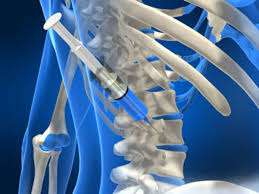
Bronchitis occurs when the bronchial tubes become inflamed due to infection or irritants like smoke. While it typically follows respiratory infections like colds or flu virus', understanding its management aids recovery faster while minimizing future episodes。
- The primary symptoms, including coughing up mucus and shortness of breath may last beyond initial infection stages.
- Diagnosis usually relies on patient history alongside physical examinations revealing wheezing sounds during breathing processes .
- Treatment routes often consist mainly of rest , hydration , expectorants / cough suppressants , alongside inhalers when necessary .
- Avoidance measures entail steering clear from allergens pollutants .
With correct approaches taken post-care especially focusing strong preventive actions these discomforts could minimize drastically .
SLEEP APNEA EVALUATION

Sleep apnea is a sleep disorder marked by repeated interruptions in breathing during sleep. Recognizing these episodes is crucial since they severely impact overall health over time. An evaluation helps identify severity and necessary interventions quickly.
- Commonly reported symptoms include loud snoring, daytime sleepiness, difficulty concentrating, and morning headaches.
- An overnight sleep study called polysomnography often serves as the gold standard for diagnosing sleep apnea conditions effectively.
- Treatment options vary widely from lifestyle changes to CPAP (continuous positive airway pressure) machines that keep airways open during sleep.
If left untreated, sleep apnea can lead to cardiovascular issues; therefore seeking evaluation should be prioritized by those experiencing such symptoms!
PULMONARY HYPERTENSION TREATMENT

Pulmonary hypertension (PH) is a serious condition characterized by increased blood pressure in the pulmonary arteries. This causes strain on the heart and can lead to severe complications if left untreated. Early diagnosis is key to effective management of this condition.
- The main symptoms include shortness of breath during activity or even at rest, fatigue, dizziness, and swelling in the ankles or legs.
- Pulmonary hypertension is diagnosed using echocardiograms along with right heart catheterization for accurate pressure measurement within the lungs' blood vessels.
- Treatment plans may involve medications that relax blood vessels or improve heart function; advanced cases might require surgical interventions like lung transplantation.
A proactive approach towards treatment improves outcomes significantly for those diagnosed with pulmonary hypertension。
LUNG CANCER SCREENING

Lung cancer remains one of the leading causes of cancer-related deaths globally. Detecting it early significantly enhances treatment efficacy. Regular screenings can identify potential malignancies before symptoms arise.
- Screening typically involves low-dose computed tomography (CT) scans for individuals at high risk due to smoking history or family background.
- The symptoms, which may emerge later, include persistent cough, unexplained weight loss, or chest pain.
- If abnormalities are detected during screening, further diagnostic tests such as biopsies may be recommended for conclusive results.
- Treatment usually includes surgery, chemotherapy, radiation therapy or targeted therapies depending on the stage of cancer identified.
Participating in screening programs can save lives by allowing earlier interventions in lung cancer cases.
ASTHMA MANAGEMENT

Asthma is a chronic respiratory condition that causes inflammation and narrowing of the airways in response to various triggers. Understanding asthma and its management is vital for reducing symptoms effectively. Early treatment helps prevent severe episodes.
- Common symptoms include coughing, wheezing, chest tightness, and difficulty breathing.
- The diagnosis is usually established through patient history review combined with lung function tests.
- Treatment typically includes bronchodilators and inhaled corticosteroids to manage symptoms.
- A personalized action plan can help patients recognize when to seek emergency care.
- Avoiding allergens and irritants plays a critical role in preventing asthma attacks.
With proper management strategies in place, individuals with asthma can lead active lives with minimal disruption from their condition.
CHRONIC OBSTRUCTIVE PULMONARY DISEASE (COPD)

Chronic Obstructive Pulmonary Disease, commonly known as COPD, is a progressive lung disease that makes it hard to breathe. It is primarily caused by long-term exposure to irritating gases or particulate matter, most often from cigarette smoke. The condition is characterized by persistent respiratory symptoms and airflow limitation.
- Symptoms include chronic cough, wheezing, shortness of breath, and chest tightness.
- The condition is typically diagnosed through a combination of medical history, physical examination, and pulmonary function tests.
- Treatment options focus on symptom management and may include inhalers, oral medications, and pulmonary rehabilitation.
- Recognizing early signs can help in slowing disease progression.
- Avoiding risk factors such as smoking and maintaining a healthy lifestyle are crucial for prevention.
Managing COPD effectively can significantly improve quality of life and daily functioning for those affected.