
Dr K L Pawa
About Me
Dr K L Pawa
MS
Cardiothorocic Surgeon
10 Years Experience
Biography
My Clinic
OPD Hours
| Monday | Morning | 10:00 AM | - | 02:00 PM |
| Evening | 06:00 PM | - | 09:00 PM | |
| Tuesday | Morning | 10:00 AM | - | 02:00 PM |
| Evening | 06:00 PM | - | 09:00 PM | |
| Wednesday | Morning | 10:00 AM | - | 02:00 PM |
| Evening | 06:00 PM | - | 09:00 PM | |
| Thursday | Morning | 10:00 AM | - | 02:00 PM |
| Evening | 06:00 PM | - | 09:00 PM | |
| Friday | Morning | 10:00 AM | - | 02:00 PM |
| Evening | 06:00 PM | - | 09:00 PM | |
| Saturday | Morning | 10:00 AM | - | 02:00 PM |
| Evening | 06:00 PM | - | 09:00 PM | |
| Sunday | Morning | 10:00 AM | - | 02:00 PM |
| Evening | 06:00 PM | - | 09:00 PM |
Treatments
Specialised care and treatments offered
PERIPHERAL VASCULAR SURGERY
This type of surgery addresses issues related to peripheral arterial disease (PAD), which affects blood flow primarily in limbs. Surgical intervention may help alleviate symptoms caused by reduced blood circulation leading towards more significant health repercussions over time
- Common presentations involve leg cramps during activity (claudication), numbness/tingling sensations coupled with wounds slow healing evidenced along extremities impacted adversely impacting mobility overall daily functionalities .
- Diagnosing PAD comprises vascular imaging techniques while ruling out alternate causes attributed corresponding findings encountered throughout assessment periods ongoing routinely checking blood flow status required frequently analyzing patient progress observed closely .
- Treatment modalities aim at enhancing perfusion either via minimally-invasive catheter-directed methods employing stents alternatives prescribed pre/post-operative regimens vital strengthening circulatory networks sustained improvement achieved systematically overseen by experienced clinicians consistently throughout journey recuperation stages involving meticulous monitoring patterns established early processes incorporated therapeutic adjustments suited accordingly .
- Recovery timeline varies based upon surgical complexity engaging initiatives tailored reshaping lifestyles targeting holistic health emphasizing dietary measures shifting exercise regimes balanced harmonizing expediently elevating vitality levels subsequently return gained independence regained functional capabilities felt significantly overtime effectively enhancing daily experiences ultimately enriching living standards attained positively moving forward into future timelines
Successful surgeries enhance limb functionalities whilst diminishing chances related adverse events augmenting longer lifespans alongside enriched activities enjoyed henceforth earned beyond conventional settings encountered thrice layered benefits received immensely rendered encouraging pathways explored continuously ahead endured .
HEART TRANSPLANTATION
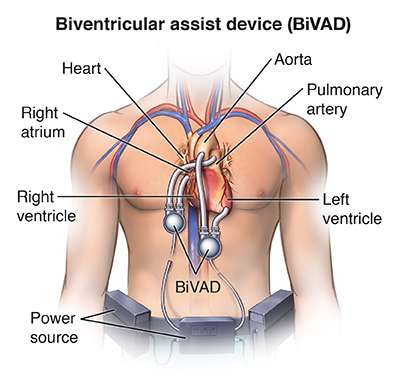
A heart transplant may be required for patients with end-stage heart failure when other treatments have failed. This complex procedure involves replacing a diseased heart with a healthy donor organ that meets strict criteria for compatibility
,- Major indicators necessitating transplants typically include extreme fatigue, limited exercise tolerance along with frequent hospital admissions due to worsening symptoms
- Diagnosis entails comprehensive assessments including cardiac evaluations corroborated by imaging studies assessing heart functionality prior transplant eligibility approval
- Management encompasses concurrent medications aimed at mitigating rejection risks while continually evaluating recipient status post-transplant through scheduled check-ups post-operation
- Procedure complexity warrants detailed pre-operative counseling addressing potential risks associated with waiting lists versus candidate matching processes
- Recovery demands extended periods involving close collaboration between healthcare providers focusing rehabilitation ensuring optimal adaptation in maintaining new organ's functionality
While challenging it offers renewed hope saving lives where other interventions fall short enabling higher quality living thereafter .
AORTIC ANEURYSM REPAIR
An aortic aneurysm occurs when there is an abnormal bulge in the wall of the aorta that requires prompt evaluation. Surgery is often necessary when an aneurysm becomes large enough to pose a risk for rupture.
- Symptoms may be absent initially but can include back pain, abdominal pain, or sudden onset of severe pain indicating potential rupture.
- Diagnosis involves imaging through ultrasound or CT scans to determine aneurysm size and location accurately.
- Aortic repairs can be performed via open surgery or minimally invasive endovascular procedures depending on individual patient factors and aneurysm characteristics.
- The choice between repairing through graft placement versus traditional methods depends on severity assessed during diagnosis phases.
- Post-surgery expectations include close monitoring with follow-up imaging studies over time to ensure stability of repairs made during surgery.
Efficacious repair drastically reduces risks associated with aneurysms thus improving survival rates considerably among affected individuals
LUNG RESECTION
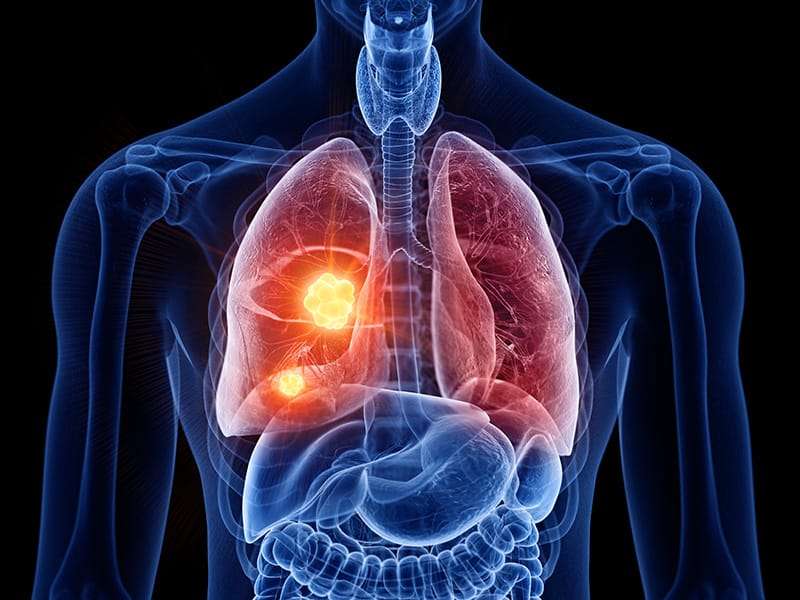
Lung resection is a critical surgical intervention for patients with lung diseases such as cancer or chronic obstructive pulmonary disease (COPD). The goal is to remove diseased lung tissue to preserve healthy lung function and improve breathing capacity.
- Patients often present with symptoms like chronic cough, unexplained weight loss, or recurrent respiratory infections.
- The diagnostic process typically includes imaging studies like CT scans and biopsies to confirm the extent of disease presence before surgery.
- Treatment plans involve an evaluation of lung function tests alongside considerations for radiation therapy when necessary post-surgery.
- Surgical techniques vary; lobectomy (removing a lobe) and pneumonectomy (removing an entire lung) are common approaches depending on pathology specifics.
- The recovery process includes pain management and monitored rehabilitation focusing on respiratory function improvement post-operatively.
This surgery can be life-saving and greatly impacts longevity for patients facing severe lung conditions.
VALVE REPAIR OR REPLACEMENT
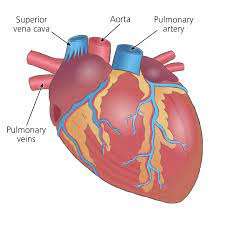
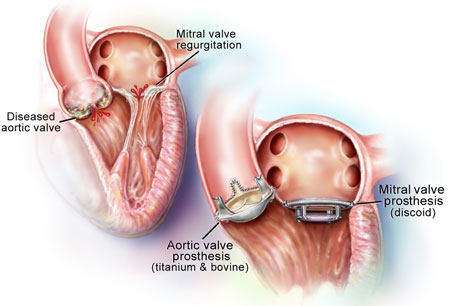
Heart valve issues can lead to serious health problems if not addressed appropriately. Valve repair or replacement surgery restores proper function and blood flow within the heart by correcting damaged valves.
- Symptoms may include palpitations, fatigue, swelling in legs, or difficulty breathing.
- Diagnosis usually involves echocardiograms or stress tests to evaluate valve functionality.
- Treatment options range from medications to manage symptoms to surgical interventions like repair or replacement of the faulty valve.
- Surgery may involve either traditional open-heart methods or minimally invasive techniques depending on the specific case.
- Recovery may vary based on surgery type but often involves a few weeks of rehabilitation and follow-up care to monitor heart health.
This corrective procedure greatly improves patient outcomes and enhances overall cardiovascular function.
CORONARY ARTERY BYPASS GRAFTING (CABG)
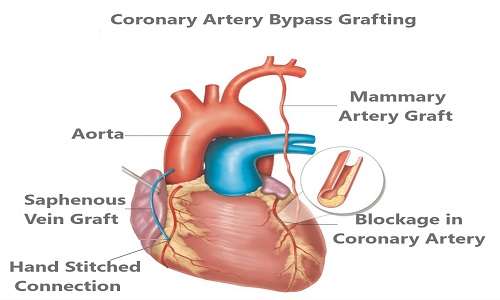
Coronary Artery Bypass Grafting (CABG) is a surgical procedure aimed at improving blood flow to the heart. This treatment is essential for individuals suffering from severe coronary artery disease, where arteries become narrowed or blocked.
- Common symptoms include chest pain, shortness of breath, and fatigue during physical exertion.
- Diagnosis typically involves imaging tests such as angiograms to assess blood flow in the coronary arteries.
- Treatment options may include lifestyle changes, medications, and reserved surgical intervention like CABG for severe cases.
- During CABG, a surgeon uses a vessel from another part of the body to bypass blocked arteries.
- Patients can expect a hospital stay of several days and a gradual recovery period following the surgery.
This procedure can significantly enhance quality of life and decrease the risk of heart-related complications.