
Dr K K Mishra
About Me
Dr K K Mishra
MBBS
General Physician
10 Years Experience
Biography
My Clinic
OPD Hours
| Monday | Morning | 10:00 AM | - | 02:00 PM |
| Evening | 06:00 PM | - | 09:00 PM | |
| Tuesday | Morning | 10:00 AM | - | 02:00 PM |
| Evening | 06:00 PM | - | 09:00 PM | |
| Wednesday | Morning | 10:00 AM | - | 02:00 PM |
| Evening | 06:00 PM | - | 09:00 PM | |
| Thursday | Morning | 10:00 AM | - | 02:00 PM |
| Evening | 06:00 PM | - | 09:00 PM | |
| Friday | Morning | 10:00 AM | - | 02:00 PM |
| Evening | 06:00 PM | - | 09:00 PM | |
| Saturday | Morning | 10:00 AM | - | 02:00 PM |
| Evening | 06:00 PM | - | 09:00 PM | |
| Sunday | Morning | 10:00 AM | - | 02:00 PM |
| Evening | 06:00 PM | - | 09:00 PM |
Treatments
Specialised care and treatments offered
URINARY TRACT INFECTION (UTI) MANAGEMENT
An infection occurring anywhere along the urinary tract that can cause significant discomfort if untreated. Prompt recognition facilitates quick recovery preventing complications such as kidney involvement.
- Clinical presentation: Burning sensation during urination, urgency, frequency often signal UTI presence.
- Diagnostic approach: Urinalysis confirms infection while culture identifies causative bacteria guiding therapy.
- Treatment plan: Antibiotics prescribed based on sensitivity plus hydration aid bacterial clearance.
- Prevention advice: Proper hygiene habits and timely treatment reduce recurrence risk effectively.
Most uncomplicated infections respond well when managed early promoting patient comfort quickly.
ANEMIA EVALUATION AND TREATMENT

A condition characterized by reduced red blood cells or hemoglobin affecting oxygen transport in the body. Identifying type and cause leads to effective management plans tailored specifically for patients’ needs.
- Sensory cues: Fatigue, pallor, shortness of breath indicate possible anemia requiring evaluation.
- Diagnostic tests: Complete blood counts along with iron studies help classify anemia's root cause.
- Therapeutic tactics: Iron supplementation, vitamin B12 shots or addressing chronic diseases form the cornerstone.
- Monitoring: Periodic reassessment ensures correction of deficiencies and prevention of relapse.
Early diagnosis combined with targeted treatment alleviates symptoms improving energy levels swiftly.
GASTROESOPHAGEAL REFLUX DISEASE (GERD) TREATMENT

This digestive disorder results from stomach acid frequently flowing back into the esophagus causing discomfort. Understanding causes aids in choosing suitable therapies for relief.
- Main symptoms: Heartburn, regurgitation, chest pain especially after meals or when lying down are typical indicators.
- Diagnostic procedures: Endoscopy or pH monitoring confirm severity and rule out complications like esophagitis.
- Treatment regimen: Antacids, proton pump inhibitors combined with lifestyle changes such as avoiding trigger foods aid symptom control.
- Surgical options: For severe cases unresponsive to medication, procedures like fundoplication might be considered by specialists.
Lifestyle adaptation alongside medical management usually brings sustained symptom relief preventing damage from acid exposure over time.
CHRONIC OBSTRUCTIVE PULMONARY DISEASE (COPD) MANAGEMENT
A progressive lung disease causing airflow obstruction often linked to smoking or environmental factors. Early intervention improves breathing capacity and quality of life.
- Causative factors: Prolonged exposure to irritants leading to airway inflammation and lung tissue damage.
- Diagnosis tools: Pulmonary function tests measure airflow limitation; chest X-rays assess lung condition.
- Treatment approaches: Smoking cessation, bronchodilators, corticosteroids, and pulmonary rehabilitation are key components.
- Disease monitoring: Regular evaluation helps adjust therapy and minimize exacerbations.
A comprehensive approach combining medical treatment with lifestyle changes helps manage symptoms effectively over the long term.
TYPE 2 DIABETES MELLITUS CARE

This chronic metabolic disorder affects how your body metabolizes sugar, making it important to recognize and manage early. Proper care can significantly improve quality of life.
- Symptoms: Increased thirst, frequent urination, fatigue, and slow wound healing are common signs prompting investigation.
- Diagnostic methods: Blood tests like fasting glucose levels and HbA1c provide insight into long-term sugar control.
- Treatment strategies: Combining diet management, physical activity, oral hypoglycemic agents, or insulin therapy tailored to individual needs is essential.
- Lifestyle impact: Weight loss and stress reduction enhance treatment success rates.
The goal is to maintain stable glucose levels to prevent complications such as neuropathy or cardiovascular events over time.
HYPERTENSION MANAGEMENT

High blood pressure, or hypertension, is a common yet serious health condition that requires careful management to prevent complications. Understanding its impact on your body is crucial for maintaining overall wellness.
- Causes and symptoms: Often called the "silent killer," hypertension may present with headaches or dizziness but frequently shows no obvious symptoms.
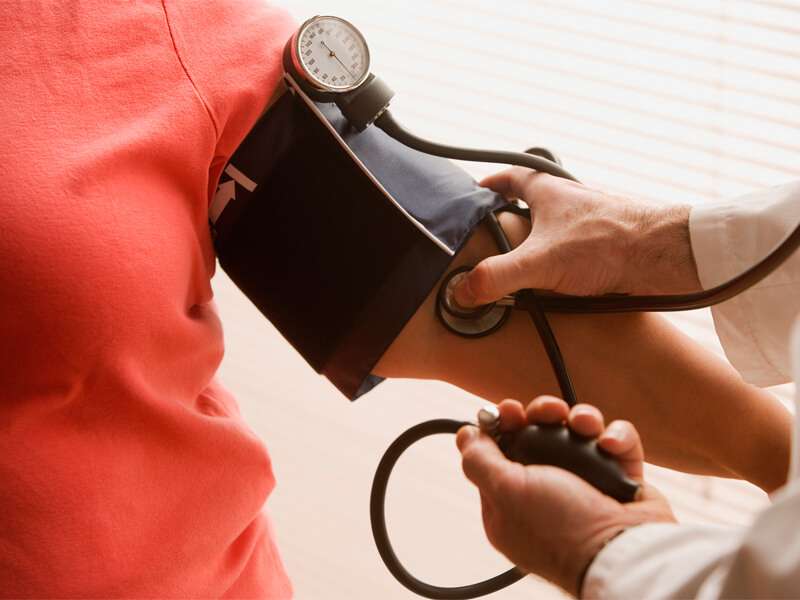
- Diagnosis: Regular blood pressure measurements using a sphygmomanometer help identify persistent elevation above 130/80 mmHg.
- Treatment options: Lifestyle modifications such as dietary changes, exercise, and medication like ACE inhibitors or beta-blockers are standard approaches.
- Monitoring and follow-up: Continuous monitoring ensures treatment effectiveness and prevents organ damage.
With proper care and adherence to medical advice, managing blood pressure effectively reduces risks of heart disease and stroke.