
Dr K K Dangaya
About Me
Dr K K Dangaya
MS
Orthopaedic Surgeons
10 Years Experience
Biography
My Clinic
OPD Hours
| Monday | Morning | 10:00 AM | - | 02:00 PM |
| Evening | 06:00 PM | - | 09:00 PM | |
| Tuesday | Morning | 10:00 AM | - | 02:00 PM |
| Evening | 06:00 PM | - | 09:00 PM | |
| Wednesday | Morning | 10:00 AM | - | 02:00 PM |
| Evening | 06:00 PM | - | 09:00 PM | |
| Thursday | Morning | 10:00 AM | - | 02:00 PM |
| Evening | 06:00 PM | - | 09:00 PM | |
| Friday | Morning | 10:00 AM | - | 02:00 PM |
| Evening | 06:00 PM | - | 09:00 PM | |
| Saturday | Morning | 10:00 AM | - | 02:00 PM |
| Evening | 06:00 PM | - | 09:00 PM | |
| Sunday | Morning | 10:00 AM | - | 02:00 PM |
| Evening | 06:00 PM | - | 09:00 PM |
Treatments
Specialised care and treatments offered
KNEE OSTEOARTHRITIS MANAGEMENT
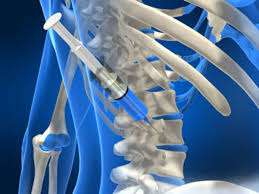
Knee osteoarthritis management encompasses various strategies aimed at alleviating pain associated with wear-and-tear arthritis. This degenerative condition affects millions and can significantly impair mobility over time if not properly addressed.
- Patients may experience joint stiffness, swelling, or difficulty bearing weight as common symptoms .
- Diagnosis usually involves physical examination findings combined with imaging studies like X-rays to assess cartilage loss.
- Management options include physical therapy, lifestyle modifications such as weight control, medications including NSAIDs, or even injections like corticosteroids for flare-ups.
- With effective management plans tailored individually patients can expect improved quality of life while potentially delaying surgical interventions long-term.
This integrative approach focuses not just on symptom relief but also enhancing functional capabilities over time for continued activity levels despite arthritis progression.
CARPAL TUNNEL RELEASE
Carpal tunnel release is a surgical procedure aimed at alleviating symptoms caused by carpal tunnel syndrome. This condition occurs when pressure on the median nerve leads to pain, tingling, or weakness in the hand.
- Commonly presenting symptoms include numbness and hand discomfort during daily activities.
- A comprehensive evaluation alongside nerve conduction studies aids in diagnosis.
- Treatment options range from conservative measures such as splinting to surgical intervention if symptoms persist.
- Post-surgery expectations include a gradual improvement in symptoms but full recovery might take weeks based on individual conditions.
The goal of this surgery is not only symptom relief but also restoring nerve function over time, enhancing overall quality of life.
TENDON REPAIR PROCEDURES

Tendon repair procedures are essential for restoring functionality in cases of tendon injuries. These repairs can often be performed arthroscopically, allowing smaller incisions and faster recovery times.
- Persistent pain and limited range of motion are key symptoms.
- An accurate diagnosis typically includes imaging tests, alongside clinical evaluation by an orthopaedic specialist.
- Surgical management might involve sewing together torn tendons or augmenting them with grafts if necessary.
- The focus is often on achieving a return to full activity, which is frequently possible depending on injury severity.
Catching tendon injuries early results in better outcomes through timely intervention via these advanced techniques.
JOINT INJECTIONS

Joint injections are commonly used for managing pain associated with arthritis or other inflammatory conditions. Utilizing corticosteroids or hyaluronic acid can significantly reduce inflammation and improve function.
- Pain, swelling, and stiffness are common symptoms treated by this method.
- A thorough patient history and imaging may help clarify the need for injection therapy.
- Treatment involves injecting medication directly into the joint space using ultrasound guidance for accuracy.
- You can expect quick relief, sometimes within days after the procedure.
This approach often enhances mobility while minimizing invasive procedures compared to surgical options.
PLATELET-RICH PLASMA (PRP) THERAPY

Platelet-Rich Plasma (PRP) therapy uses components of your blood to promote healing in injured tissues. This innovative treatment harnesses the body’s natural growth factors to enhance recovery from injuries or degenerative conditions.
- This may alleviate symptoms such as chronic pain, inflammation, and impaired function.
- The diagnosis requires previous evaluations and can be confirmed when conservative treatments fail.
- Treatment includes drawing blood, processing it to concentrate platelets, and injecting it into the affected area.
- The procedure is typically well-tolerated with minimal downtime.
PRP therapy offers a promising alternative for those seeking non-surgical options for healing and pain relief.
ARTHROSCOPY

Arthroscopy is a minimally invasive surgical technique used to diagnose and treat joint problems. This procedure involves making small incisions and inserting a tiny camera, allowing the surgeon to view the joint interior on a monitor.
- Symptoms often include joint pain, swelling, and stiffness.
- It is diagnosed through physical examinations, imaging studies like X-rays or MRIs, and visualization during the procedure itself.
- Treatment options may involve removing damaged tissue, repairing ligaments, or cleaning out the joint space.
- Expect minimal recovery time, with many patients returning to normal activities within weeks.
This technique reduces trauma to surrounding tissues compared to traditional surgeries, promoting quicker healing.