
Dr K C Bhardwaj
About Me
Dr K C Bhardwaj
MD
Cardiologist
10 Years Experience
Biography
My Clinic
OPD Hours
| Monday | Morning | 10:00 AM | - | 02:00 PM |
| Evening | 06:00 PM | - | 09:00 PM | |
| Tuesday | Morning | 10:00 AM | - | 02:00 PM |
| Evening | 06:00 PM | - | 09:00 PM | |
| Wednesday | Morning | 10:00 AM | - | 02:00 PM |
| Evening | 06:00 PM | - | 09:00 PM | |
| Thursday | Morning | 10:00 AM | - | 02:00 PM |
| Evening | 06:00 PM | - | 09:00 PM | |
| Friday | Morning | 10:00 AM | - | 02:00 PM |
| Evening | 06:00 PM | - | 09:00 PM | |
| Saturday | Morning | 10:00 AM | - | 02:00 PM |
| Evening | 06:00 PM | - | 09:00 PM | |
| Sunday | Morning | 10:00 AM | - | 02:00 PM |
| Evening | 06:00 PM | - | 09:00 PM |
Treatments
Specialised care and treatments offered
CONGENITAL HEART DEFECTS

This diverse group covers structural problems present at birth impacting normal function. Understanding congenital defects plays a crucial role in early diagnosis leading towards positive outcomes through timely interventions.
- Symptoms : Varies widely based upon specific type ranging from murmur detections post-birth , fatigue during physical activity till cyanosis under certain conditions .
- Causes : Generally unknown though genetic predispositions exist; environmental factors considered too .
- Diagnosis : Imaging studies such as echocardiography provide clear insights into nature/extent allowing proper evaluations .
- < strong Treatment Options Strong : Depending upon severity ,management could involve medication usage initially followed by surgeries aimed rectification
PERIPHERAL ARTERY DISEASE
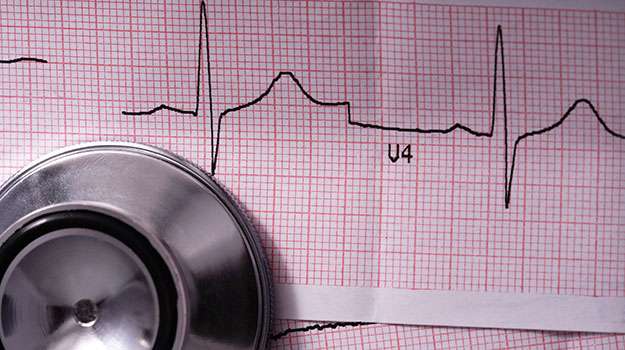
This condition involves narrowed arteries reducing blood flow primarily in the limbs. It’s often indicative of atherosclerosis affecting other areas in the body too. Early detection is vital for prevention of serious complications like limb ischemia.
- Causes : Peripheral artery disease usually develops due to high cholesterol levels combined with diabetes , smoking habits ,and obesity .
- Symptoms : Pain during walking (claudication), numbness in feet ,and cold sensation in legs are common signs .
- Diagnosis : Tests such as ultrasound ,ankle-brachial index (ABI) measurements help determine severity.
- Treatment Options : Lifestyle changes alongside medication manage symptoms effectively ;severe cases might require procedures like angioplasty .
- What To Expect : Regular follow-ups ensure ongoing assessment leads towards effective care tailored specifically for each patient .
Managing peripheral artery disease successfully encourages healthier lifestyles along with mitigative approaches against potential future risks .
ATRIAL FIBRILLATION
Atrial fibrillation (AFib) is characterized by irregular heartbeat that can increase the risk of strokes and other complications. This arrhythmia often demands careful monitoring and management strategies.
- Causes: AFib may stem from high blood pressure, coronary artery disease, or structural heart changes due to aging;
- Symptoms: Palpitations, dizziness, weakness or fainting episodes can occur with AFib episodes.
- Diagnosis: A detailed medical history along with an electrocardiogram (ECG) confirms AFib.
- Treatment Options: Medication options target rhythm control or anticoagulation therapy; some patients may benefit from catheter ablation procedures.
- What to Expect : Strategies will likely evolve over time based on individual responses and advances in treatments available.
Early intervention improves outcomes significantly when managing atrial fibrillation issues effectively.
HEART FAILURE
Heart failure occurs when the heart cannot pump sufficient blood to meet the body’s needs. It may arise from various underlying conditions including hypertension or previous heart attacks.
- Symptoms: Common signs include persistent coughing, pronounced fatigue, fluid retention leading to swelling in legs and ankles.
- Causes: Contributing factors range from coronary artery disease to long-standing hypertension or valve disorders.
- Diagnosis: Evaluations involve echocardiograms, blood tests for biomarkers like BNP, and assessments of physical fitness levels.
- Treatment Options: Treatment usually includes medications that improve heart efficiency and reduce fluid retention; severe cases may require surgical interventions like implantable devices or transplants.
A comprehensive management strategy tailored individually can significantly enhance life quality for those living with heart failure.
CORONARY ARTERY DISEASE
This common heart condition arises from the buildup of plaque in the coronary arteries, which supply blood to the heart muscle. It can significantly affect heart function if not addressed promptly.
- Causes: Risk factors include high cholesterol, smoking, diabetes, and a sedentary lifestyle.
- Symptoms: Patients may experience chest pain (angina), shortness of breath, or fatigue during physical activities.
- Diagnosis: Diagnostic methods include stress tests, angiograms, and imaging studies to assess blood flow to the heart.
- Treatment Options: Lifestyle adjustments and medications are typical; severe cases might require procedures like angioplasty or bypass surgery.
- What to Expect: Ongoing follow-up is necessary to monitor heart health and adapt treatment strategies as needed.
The management plan should focus on improving quality of life while reducing symptoms associated with coronary artery disease.
HYPERTENSION
High blood pressure, or hypertension, can often go unnoticed for years but poses a serious health risk. If left unmanaged, it may lead to more severe cardiovascular issues.
- Causes: Factors include genetics, lifestyle choices such as diet and lack of exercise, and age.
- Symptoms: Symptoms might be minimal but can include headaches, shortness of breath, or nosebleeds.
- Diagnosis: Blood pressure is measured using a sphygmomanometer; multiple readings are necessary for an accurate diagnosis.
- Treatment Options: Management includes lifestyle changes like diet and exercise, medications such as diuretics or ACE inhibitors.
- What to Expect: Regular monitoring is crucial; your doctor may adjust treatment plans based on your response.
With appropriate management, individuals can lead healthy lives while controlling their blood pressure effectively.