
Dr Juhi Sadiq
About Me
Dr Juhi Sadiq
MBBS
Infectious disease specialists
10 Years Experience
Biography
My Clinic
OPD Hours
| Monday | Morning | 10:00 AM | - | 02:00 PM |
| Evening | 06:00 PM | - | 09:00 PM | |
| Tuesday | Morning | 10:00 AM | - | 02:00 PM |
| Evening | 06:00 PM | - | 09:00 PM | |
| Wednesday | Morning | 10:00 AM | - | 02:00 PM |
| Evening | 06:00 PM | - | 09:00 PM | |
| Thursday | Morning | 10:00 AM | - | 02:00 PM |
| Evening | 06:00 PM | - | 09:00 PM | |
| Friday | Morning | 10:00 AM | - | 02:00 PM |
| Evening | 06:00 PM | - | 09:00 PM | |
| Saturday | Morning | 10:00 AM | - | 02:00 PM |
| Evening | 06:00 PM | - | 09:00 PM | |
| Sunday | Morning | 10:00 AM | - | 02:00 PM |
| Evening | 06:00 PM | - | 09:00 PM |
Treatments
Specialised care and treatments offered
SEPSIS
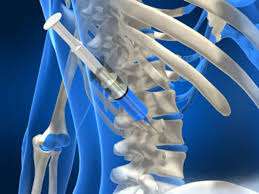
An overwhelming immune response triggered by infection anywhere in the body can lead to sepsis. This life-threatening condition demands urgent recognition and intervention to prevent organ failure and death.
PNEUMOCOCCAL PNEUMONIA

Pneumococcal pneumonia is a lung infection caused by Streptococcus pneumoniae bacteria leading to inflammation of air sacs filled with fluid or pus. It affects all age groups but poses higher risks in children and older adults.
- Syndrome Manifestation & Causes:Cough producing rusty sputum, fever chills, shortness of breath alongside chest pain characterize this condition usually acquired via inhaled respiratory droplets from infected individuals.
- Diagnostic Tools:A combination of physical exam findings plus chest X-ray imaging confirms diagnosis; sputum cultures identify causative bacteria for targeted antibiotics. Therapeutic Interventions]: Antibiotic therapy tailored based on sensitivity testing typically includes penicillin derivatives unless resistant strains prevail requiring alternative agents such as macrolides or fluoroquinolones.
- Preventive Measures : Vaccination against pneumococci reduces incidence especially in vulnerable populations including infants elderly
Prompt antibiotics combined with supportive therapies like oxygen supplementation when needed generally lead to full recovery although hospitalization may be required in severe cases.
DENGUE FEVER

Dengue fever is a mosquito-borne viral illness prevalent in tropical areas that causes high fever and severe muscle/joint pain. Early supportive care is critical for favorable outcomes.
- Causative Agent & Symptoms:The dengue virus transmitted by Aedes mosquitoes causes sudden onset high temperature, headache behind eyes, rash, nausea, vomiting, along with intense muscle pain known as "breakbone fever."
- Diagnosis Procedures:Labs detect dengue-specific antibodies or viral RNA in blood; platelet counts are monitored due to risk of bleeding complications.
- Treatment Approaches:No specific antiviral exists; treatment focuses on hydration, fever control with acetaminophen (avoiding NSAIDs), bed rest, and monitoring for warning signs like bleeding or organ impairment.
- Avoiding Severe Disease & Prevention:Mosquito control measures combined with early detection reduce risks of dengue hemorrhagic fever or shock syndrome which require hospitalization.
The majority recover fully with timely medical attention; awareness about symptoms facilitates prompt care to minimize complications from this infectious illness.
HIV/AIDS MANAGEMENT

Human Immunodeficiency Virus (HIV) progressively damages the immune system leading to AIDS if untreated. Proper management enables people living with HIV to lead healthy lives while preventing transmission.
- Pertinent symptoms & Transmission: Early HIV infection may present flu-like symptoms; advanced disease includes opportunistic infections. Transmission occurs through unprotected sex, contaminated needles, or mother-to-child during childbirth/breastfeeding.
- Testing Methods: HIV antibodies/antigens are detected via blood tests including ELISA or rapid testing followed by confirmatory procedures.
- Treatment Overview: Combination antiretroviral therapy (ART) suppresses viral replication preserving immune function; lifelong adherence is necessary.
- Lifestyle considerations & Prognosis: Regular medical follow-up for viral load monitoring and managing co-infections improves outcomes substantially. Safe practices reduce spread risk effectively.
The availability of effective treatments underscores the importance of early diagnosis and continuous care in improving quality of life amidst HIV infection.
HEPATITIS B INFECTION

The Hepatitis B virus infects the liver causing inflammation that may range from mild illness to chronic liver disease. It can spread through contact with infectious body fluids including blood and sexual contact.
- Signs & Transmission: Symptoms can include jaundice (yellowing of skin/eyes), fatigue, abdominal pain, dark urine, though many remain asymptomatic initially. The virus transmits via blood transfusions, needle sharing, or perinatally from mother to child.
- Diagnostic Tests: Blood tests detect viral antigens/antibodies and measure liver enzyme levels to assess liver function.
- Treatment Strategies: While acute Hepatitis B often resolves on its own, antiviral medications help manage chronic infection to reduce liver damage risk.
- Lifestyle & Monitoring: Avoiding alcohol and regular monitoring of liver health with imaging and labs are recommended for affected patients.
Vaccination prevents this infection effectively; early medical attention can limit long-term complications such as cirrhosis or liver cancer.
TUBERCULOSIS (TB)

Tuberculosis is a contagious bacterial infection primarily affecting the lungs but can also impact other organs. It spreads through airborne droplets when an infected person coughs or sneezes.
- Symptoms and Causes: Persistent cough lasting more than three weeks, chest pain, coughing up blood, night sweats, weight loss, and fatigue are common symptoms. It is caused by the bacterium Mycobacterium tuberculosis.
- Diagnosis: Diagnosis involves a combination of chest X-rays, sputum tests to identify bacteria, skin tests (Mantoux test), and sometimes molecular assays.
- Treatment Options: Treatment requires prolonged use (typically 6 months) of multiple antibiotics like isoniazid and rifampicin to ensure complete eradication and prevent resistance.
- Management & Follow-up: Regular monitoring for side effects and adherence is crucial. Untreated TB can cause severe lung damage or spread systemically.
Early diagnosis and consistent treatment greatly improve prognosis, limiting transmission risk to others. Supportive care with nutrition and rest also aids recovery.