
Dr Jitendra Tyag
About Me
Dr Jitendra Tyag
MBBS
Pulmonologist
10 Years Experience
Biography
My Clinic
OPD Hours
| Monday | Morning | 10:00 AM | - | 02:00 PM |
| Evening | 06:00 PM | - | 09:00 PM | |
| Tuesday | Morning | 10:00 AM | - | 02:00 PM |
| Evening | 06:00 PM | - | 09:00 PM | |
| Wednesday | Morning | 10:00 AM | - | 02:00 PM |
| Evening | 06:00 PM | - | 09:00 PM | |
| Thursday | Morning | 10:00 AM | - | 02:00 PM |
| Evening | 06:00 PM | - | 09:00 PM | |
| Friday | Morning | 10:00 AM | - | 02:00 PM |
| Evening | 06:00 PM | - | 09:00 PM | |
| Saturday | Morning | 10:00 AM | - | 02:00 PM |
| Evening | 06:00 PM | - | 09:00 PM | |
| Sunday | Morning | 10:00 AM | - | 02:00 PM |
| Evening | 06:00 PM | - | 09:00 PM |
Treatments
Specialised care and treatments offered
SLEEP APNEA EVALUATION
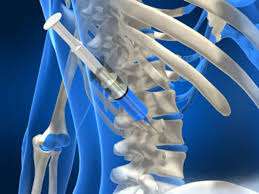
This diagnostic workup assesses for sleep apnea – a disorder where breathing repeatedly stops during sleep – often leading to daytime fatigue and cardiovascular complications if untreated. Pulmonologists play a key role in its detection and management.
- SYMPTOMS TO WATCH FOR: Loud snoring, observed apnea episodes during sleep, excessive daytime sleepiness.
- DIAGNOSTIC TOOLS: Overnight polysomnography (sleep study) records brain waves, oxygen saturation & breathing patterns.
- TREATMENT OPTIONS: Lifestyle changes combined with continuous positive airway pressure (CPAP) devices help maintain airway patency.
- IMPORTANCE OF EARLY DIAGNOSIS: Prevents long-term consequences like hypertension & stroke linked to untreated sleep apnea.
Timely evaluation followed by proper intervention can considerably improve sleep quality as well as overall health outcomes.
OXYGEN THERAPY
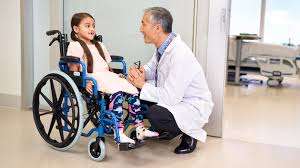
This treatment involves supplying supplemental oxygen to patients who have low blood oxygen levels due to chronic lung diseases or acute respiratory failure. Proper oxygen use improves quality of life significantly for affected individuals.
- CANDIDATES FOR THERAPY: Patients with severe COPD, interstitial lung disease, pneumonia complications or other hypoxemic conditions might require oxygen support.
- METHODS OF DELIVERY: Oxygen can be administered via nasal cannulae, masks, or concentrators depending on severity and lifestyle needs.
- BENEFITS AND GOALS: Enhances tissue oxygenation thereby reducing strain on vital organs and alleviating symptoms like breathlessness and fatigue.
PULMONARY FUNCTION TESTS (PFTS)

Pulmonary function tests encompass a variety of assessments measuring how well the lungs work concerning volume, capacity, flow rates, and gas exchange efficiency. They are essential for comprehensive respiratory evaluation.
- SPECIALIZED EVALUATION: Includes spirometry along with tests such as lung volume measurement and diffusion capacity assessment (DLCO).
- SUSPECTED CONDITIONS: Useful in diagnosing restrictive lung diseases like fibrosis or obstructive diseases such as COPD and asthma control assessment.
- TREATMENT GUIDANCE: Provides objective data helping clinicians optimize medication regimens and rehabilitation plans.
- NATURE OF TESTING: Non-invasive with repeated measurements possible to monitor disease trajectory over time.
PFTs offer detailed insight into the mechanical function of lungs critical for personalized patient care plans in pulmonology practice.
CHEST X-RAY

A chest X-ray is a common imaging technique that captures pictures of the lungs, heart, airways, blood vessels, and chest bones. It helps detect abnormalities affecting respiratory health.
- PURPOSE: Often performed when patients present with symptoms such as chest pain, persistent cough, or difficulty breathing.
- Disease detection: Identifies pneumonia, tuberculosis, lung tumors, pleural effusions, and other pathologies.
- Simplicity & speed: The procedure is quick and painless without requiring special preparation.
- Aids monitoring: Follow-up X-rays assess response to treatments or progression of chronic lung diseases.
This diagnostic tool provides vital information contributing to effective clinical decisions regarding respiratory conditions.
BRONCHOSCOPY

This procedure allows direct visualization of the airways using a flexible tube with a camera to inspect the lungs and bronchi. It can also assist with sample collection for diagnosis.
- Indications: Chronic cough, unexplained lung infections, abnormal chest imaging, or suspicion of tumors.
- Process: Conducted under local anesthesia or sedation; the bronchoscope is inserted through the nose or mouth into the lungs.
- Diagnostic uses: Enables biopsy, washing samples, or removal of foreign bodies for laboratory analysis.
- Treatment applications: Can be used therapeutically to clear mucus plugs or place stents in airways.
This minimally invasive technique is invaluable for accurate diagnosis and targeted management of various pulmonary disorders.
SPIROMETRY

Spirometry is a fundamental test used to evaluate lung function by measuring the amount and speed of air a person can exhale. It helps in diagnosing and monitoring respiratory conditions affecting breathing efficiency.
- Symptoms/indications: Persistent cough, shortness of breath, wheezing, or suspected obstructive diseases.
- Procedure: Patients breathe into a device called a spirometer to record airflow during forced inhalation and exhalation.
- Interpretation: Results help distinguish conditions like asthma, chronic obstructive pulmonary disease (COPD), and restrictive lung disorders.
- Treatment planning: Spirometry guides doctors in tailoring treatment options and monitoring response over time.
- Preparation: Minimal preparation required; patients should avoid heavy meals or smoking before the test.
This non-invasive and quick test plays a crucial role in preventing disease progression by enabling early identification of lung impairment.