
Dr Jeevraj Singh
About Me
Dr Jeevraj Singh
MD
Cardiologist
Biography
My Clinic
OPD Hours
| Monday | Morning | 10:00 AM | - | 02:00 PM |
| Evening | 06:00 PM | - | 09:00 PM | |
| Tuesday | Morning | 10:00 AM | - | 02:00 PM |
| Evening | 06:00 PM | - | 09:00 PM | |
| Wednesday | Morning | 10:00 AM | - | 02:00 PM |
| Evening | 06:00 PM | - | 09:00 PM | |
| Thursday | Morning | 10:00 AM | - | 02:00 PM |
| Evening | 06:00 PM | - | 09:00 PM | |
| Friday | Morning | 10:00 AM | - | 02:00 PM |
| Evening | 06:00 PM | - | 09:00 PM | |
| Saturday | Morning | 10:00 AM | - | 02:00 PM |
| Evening | 06:00 PM | - | 09:00 PM | |
| Sunday | Morning | 10:00 AM | - | 02:00 PM |
| Evening | 06:00 PM | - | 09:00 PM |
Treatments
Specialised care and treatments offered
TRANSCATHETER AORTIC VALVE REPLACEMENT (TAVR)

TAVR is an advanced minimally invasive method employed for replacing narrowed aortic valves in older individuals who might be considered high-risk candidates for traditional surgery. This innovative approach ensures improved safety profiles while significantly enhancing patient outcomes post-procedure compared historically previous benchmarks observed previously regarding recovery experiences observed profoundly!
PERCUTANEOUS CORONARY INTERVENTION (PCI)
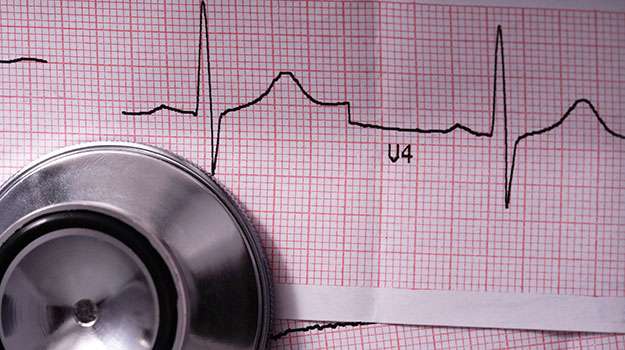
Percutaneous coronary intervention (PCI) refers broadly to various non-surgical techniques used for treating narrowed coronary arteries. Also known as coronary angioplasty, it aims primarily at restoring adequate blood flow through targeted interventions within arterial structures without traditional open-heart surgery techniques being involved directly
- Presentation might primarily consist of exertional angina episodes commonly exacerbated by physical effort leading up-to increased discomfort upon exertion.
- Diagnostic imaging like CT scans paired alongside functional tests plays crucial roles determining necessity versus urgency seeing interventions based observational parameters from lab workup including cholesterol levels among others.
- The intervention typically entails balloon dilation aimed directly against plaque buildup whilst often employing stenting thereafter ensuring stability going forward dependent upon nature vascular composition present initially observed thus tailored accordingly taking all factors into account presenting themselves individually across patients encountered over time.
- The majority experience minimal postoperative complications however given inherent nature requires close monitoring immediately following procedures undertaken hence allowing for adjustments whenever deemed fitting observing cadences established subsequently implementing routine checkups regularly henceforth concerning cardiovascular health moving forward throughout lifecycle ensuing developments arising amongst contemporaries surrounding their interests continuing onwards steadily engaging proactive modalities endorsing lifestyles reflective ideally thereof consistently!
VALVE REPLACEMENT SURGERY
This surgical procedure corrects issues related to damaged or diseased heart valves that impede normal blood flow. Valve replacement may be necessary for conditions like aortic stenosis or mitral regurgitation where valve function is compromised.
- Signs requiring intervention include severe breathlessness, fatigue, swelling in extremities, and irregular heartbeat sensations due to poor circulation.
- The diagnosis often relies on echocardiograms alongside other imaging techniques to assess valve functionality thoroughly.
- Surgical options include mechanical or biological valve replacement tailored according to patient needs and overall health considerations.
- Post-surgery care includes monitoring for complications while gradually returning to daily activities over weeks after recovery; rehabilitation may be advised based on individual progress.<
- Persistent follow-up care focuses on maintaining appropriate anticoagulation levels if mechanical valves are used while ensuring healthy lifestyle choices are adopted long-term.
ATRIAL FIBRILLATION ABLATION
Atrial fibrillation ablation is a specialized procedure aimed at correcting irregular heartbeats caused by atrial fibrillation. This condition increases the risk of stroke and requires careful management.
- Pulsations may manifest as palpitations, fatigue, or dizziness, indicating underlying atrial fibrillation issues.
- Diagnosis typically involves an ECG and possibly a Holter monitor to detect arrhythmias over time.
- The treatment approach involves using radiofrequency energy or cryotherapy to destroy areas in the heart responsible for abnormal electrical signals.
- Recovery usually takes a few hours in a monitored setting before discharge; many patients experience immediate symptom relief post-procedure.
- Lifestyle changes along with anticoagulant therapy are essential following this intervention to maintain normal rhythm and prevent strokes.
Ablation can significantly improve patient outcomes and restore rhythm regularity in many affected individuals.
HEART BYPASS SURGERY
Heart bypass surgery, also known as coronary artery bypass grafting (CABG), reroutes blood around clogged arteries to improve blood flow to heart tissue. It’s commonly performed on patients with severe coronary artery disease.
- Common symptoms necessitating surgery include severe chest pain (angina) and shortness of breath even at rest.
- A range of diagnostic tests like coronary angiography helps identify blockages that may require surgery.
- The procedure involves using a bypass graft, which may come from another vessel in the patient's body or from synthetic materials to redirect blood flow.
- Patients can expect an initial hospital stay of several days followed by rehabilitation focused on strengthening the heart.
- Long-term management includes lifestyle modifications and potential medication adjustments to ensure heart health post-surgery.
This surgical intervention significantly enhances quality of life and reduces risks associated with prolonged ischemia.
CORONARY ANGIOPLASTY
Coronary angioplasty is a minimally invasive procedure used to open blocked coronary arteries. This technique improves blood flow to the heart muscle and alleviates symptoms of coronary artery disease.
- Symptoms may include chest pain, shortness of breath, or fatigue during physical activity.
- The condition is often diagnosed through tests such as an electrocardiogram (ECG), stress testing, or cardiac catheterization.
- Treatment typically involves angioplasty with or without the placement of a stent to keep the artery open.
- Patients can expect some discomfort during the procedure but it is generally well tolerated and requires only a brief recovery period.
- Post-procedure, regular follow-up with lifestyle changes and medication is essential for optimal heart health.
This procedure effectively restores blood flow, helping to relieve symptoms and prevent future cardiac events.