
Dr Jeetendra Jadhav
About Me
Dr Jeetendra Jadhav
MBBS
General Surgeons
17 Years Experience
Biography
My Clinic
OPD Hours
| Monday | Morning | 09:00 AM | ||
| Evening | 09:00 PM | |||
| Tuesday | Morning | 09:00 AM | ||
| Evening | 09:00 PM | |||
| Wednesday | Morning | 09:00 AM | ||
| Evening | 09:00 PM | |||
| Thursday | Morning | 09:00 AM | ||
| Evening | 09:00 PM | |||
| Friday | Morning | 09:00 AM | ||
| Evening | 09:00 PM |
Treatments
Specialised care and treatments offered
COLONOSCOPY
A colonoscopy is an essential screening test that examines the interior lining of your large intestine (colon) using a thin flexible tube equipped with cameras. It plays an important role in preventing colorectal cancer through early detection of polyps or abnormalities.
- Candidates often experience symptoms such as changes in bowel habits including blood in stools which trigger the need for screening beyond age 45 as part of preventive health measures.
- The diagnosis typically requires preparation involving diet changes prior to undergoing colonoscopy; physicians provide detailed instructions tailored for patients' needs.
- Management might focus on removal of polyps discovered during examination along with personalized recommendations regarding follow-up screenings.
- Usually well tolerated,patients experience temporary cramping but regain normal functioning quickly thereafter.
Regular screening through colonoscopies significantly lowers risks by catching potential cancers early before they develop further complications.
ENDOSCOPY

An endoscopy is a diagnostic procedure that allows doctors to visualize internal organs using a flexible tube equipped with a camera. It's crucial for identifying issues within the digestive tract without major incisions.
- This examination helps detect conditions such as ulcers, tumors, and inflammation early.
- A physician will conduct an endoscopy based on medical history and symptoms while ensuring minimal discomfort through sedation if needed during the process.
- If abnormalities are found during the procedure, biospies can be performed immediately which aids in accurate diagnosis without needing additional sessions afterward.
This technique offers insights into various gastrointestinal disorders while being generally safe with quick recovery times compared to traditional surgery methods.
BOWEL RESECTION

Bowel resection involves surgically removing a section of the intestine affected by conditions like cancer, severe inflammatory bowel disease (IBD), or diverticulitis. Ensuring healthy bowel function depends on addressing these serious conditions timely.
- The main symptoms may include chronic abdominal pain, significant weight loss, changes in bowel habits, and rectal bleeding.
- A comprehensive diagnosis may require endoscopic procedures alongside imaging tests like X-rays or MRIs for accurate assessment of the affected area.
- Treatment typically necessitates surgical intervention; sometimes it’s combined with medication or chemotherapy depending on the underlying issue at hand.
- Recovery time varies but patients usually need special follow-up care to ensure proper healing after resectioning of bowel segments.
Bowel resections can significantly improve quality of life by alleviating symptoms related to gastrointestinal tract disorders when performed correctly.
LAPAROSCOPIC APPENDECTOMY
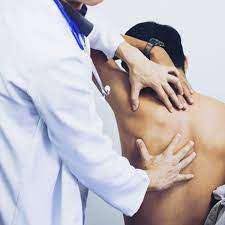
An appendectomy is a surgical procedure for removing the appendix when it becomes inflamed or infected; this condition is known as appendicitis. This emergency situation requires prompt treatment to avoid complications like rupture.
- Signs of appendicitis often include sharp pain in the lower right abdomen, fever, and nausea or vomiting.
- A diagnosis usually involves a physical exam alongside imaging tests such as an ultrasound or CT scan for confirmation.
- Laparoscopic appendectomy allows for a less invasive approach with smaller incisions leading to less pain and quicker recovery compared to open surgery.
- Post-surgery expectations involve some discomfort but generally a swift return to regular activities within days.
This procedure effectively resolves appendicitis while minimizing risks associated with open surgery techniques.
CHOLECYSTECTOMY
The removal of the gallbladder, known as cholecystectomy, is commonly performed when gallstones cause inflammation or other complications. Gallstones can block the bile ducts leading to pain and digestive issues.
- Common symptoms include severe abdominal pain, especially after fatty meals, jaundice, and digestive disturbances.
- Diagnosis is often made through imaging techniques such as ultrasound or CT scans that reveal gallstones.
- The primary treatment is surgery, which can be done laparoscopically for minimal scarring and faster recovery times.
- Pain relief post-surgery is essential; full recovery typically takes several weeks following the procedure.
Surgery has high success rates allowing most patients to resume normal activities soon after healing.
HERNIA REPAIR
A hernia occurs when an organ or tissue pushes through a weak spot in the surrounding muscle or connective tissue. This condition can happen in various areas of the body, most commonly in the abdomen, and may be caused by factors like heavy lifting, persistent coughing, or obesity.
- Symptoms include a noticeable bulge in the affected area, discomfort or pain during movement, and possibly nausea.
- Diagnosis typically involves a physical examination and may require imaging tests such as ultrasound or CT scans.
- Treatment options range from lifestyle changes to surgical intervention; minimally invasive techniques are often preferred for quicker recovery.
- Expect some post-operative pain management and a gradual return to normal activities within a few weeks.
With appropriate care, many patients can experience significant relief and improve their quality of life after surgery.