
Dr Jeetendra Jadhav
About Me
Dr Jeetendra Jadhav
MBBS
Family Physician
16 Years Experience
Biography
My Clinic
OPD Hours
| Monday | Morning | 09:00 AM | ||
| Evening | 09:00 PM | |||
| Tuesday | Morning | 09:00 AM | ||
| Evening | 09:00 PM | |||
| Wednesday | Morning | 09:00 AM | ||
| Evening | 09:00 PM |
Treatments
Specialised care and treatments offered
PREVENTIVE HEALTH SCREENINGS

The importance of preventive health screenings cannot be overstated as they play a pivotal role in identifying risks before they develop into more severe issues. Regular check-ups help maintain optimal health throughout life stages.
The purpose varies:- - Regular intervals targeting specific risk factors appropriate per age category;Moreover:This includes cardiovascular assessments alongside metabolic profiling!
MANAGEMENT OF ALLERGIC CONDITIONS
Allergic conditions affect millions worldwide and manifest in various ways including allergic rhinitis and food allergies. Understanding these conditions is key for effective management.
The symptoms (sneezing or rashes),(and several other aspects).May also involve environmental triggers that vary between individuals.(For example: pollen vs dust mites).It’s important the patients avoid known allergens,along with symptom control via antihistamines or inhalers,if necessary.Diagnosis involves skin prick tests or specific IgE testing alongside symptom evaluation.
Understanding an allergy greatly assists in creating a personalized action plan alongside clear instructions for emergency scenarios too.
ANNUAL WELLNESS EXAMS

An annual wellness exam is an essential aspect of preventive care aimed at early detection of potential health issues. These check-ups help maintain overall health and wellness through proactive measures.
- Purpose: The exams evaluate current health status, provide counseling on lifestyle changes, and facilitate necessary vaccinations according to age group and medical history.
- Cancer Screenings: Age-appropriate screenings like mammograms or colonoscopies may be recommended based on individual risk factors during these visits.
- Regular monitoring helps identify any abnormalities that might require further testing.
RESPIRATORY INFECTIONS TREATMENT
Respiratory infections are common conditions affecting the airways and lungs. They can range from mild colds to severe pneumonia requiring prompt treatment.
- Symptoms: Common signs include coughing, fever, fatigue, and difficulty breathing depending on severity.
- Causes: These infections can be viral or bacterial; exposure in crowded places increases risk transmission.
- Disease Management: Treatment may involve antibiotics for bacterial infections or antiviral medications for certain viral infections along with symptomatic relief through hydration and rest.
- Follow-up Care: Patients should be advised on recognizing worsening symptoms requiring immediate medical attention.
Timely intervention can prevent complications associated with respiratory infections ensuring better recovery rates.
DIABETES SCREENING AND MANAGEMENT
Diabetes is a chronic condition that affects how your body processes blood sugar (glucose). Early detection and proper management are essential for preventing complications.
- Causes: Type 2 diabetes often results from obesity, sedentary lifestyle, and genetic factors, while Type 1 diabetes has an autoimmune origin.
- Diagnosis: Blood tests measure glucose levels; a fasting blood sugar or HbA1c test can determine the presence of diabetes.
- Treatment Strategies: Management includes dietary changes, physical activity, blood sugar monitoring, and medication if necessary.
- Aim for Control: Patients should strive to maintain their blood sugar levels within target ranges to minimize risks of complications like neuropathy or retinopathy.
An individualized approach can significantly improve health outcomes in diabetes management.
HYPERTENSION MANAGEMENT
Hypertension, or high blood pressure, is a common condition that can lead to serious health problems if not controlled effectively. It often develops over many years and can be influenced by various factors.
- Symptoms: Many people with hypertension experience no symptoms; however, headaches, shortness of breath, and nosebleeds can occur in severe cases.
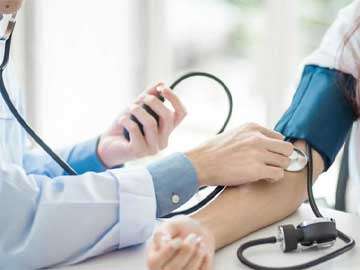
- Diagnosis: A healthcare provider typically diagnoses hypertension using a simple blood pressure test during routine check-ups.
- Treatment Options: Management may include lifestyle changes such as diet modifications, regular exercise, and medications like diuretics or ACE inhibitors.
- What to Expect: Regular monitoring is crucial; patients should expect frequent follow-up visits to adjust treatment as needed.
Effective management of hypertension is vital to prevent complications like heart disease and stroke.