
Dr Jayesh C Shah
About Me
Dr Jayesh C Shah
General Physician
Biography
My Clinic
OPD Hours
Treatments
Specialised care and treatments offered
COMMON COLD
The common cold is an upper respiratory tract infection caused primarily by viruses. It spreads easily among individuals via respiratory droplets when someone coughs or sneezes. Recognizing its typical manifestations aids both recovery efforts—and prevention strategies moving forward!
- Symptoms : Symptoms mostly involve runny nose congestion cough sore throat mild fever occasionally general malaise fatigue at times during onset phase also sneezing episodes noted regularly too!
- Causes : Numerous viruses exist including rhinovirus coronaviruses adenoviruses amongst others that thrive particularly well across colder months hence increasing susceptibility rates overall population generally speaking .
- Diagnosis : Typically diagnosed through symptomatic evaluation accompanying physical examination laboratory testing seldom needed requiring further assessment unless complications arise realistically ; healthcare professionals may ask about symptom duration frequency severity etc before concluding .
- Treatment options : Management mainly revolves around symptomatic relief administration products targeting pain reducing fever providing hydration rest being cornerstones assisting immune response while waiting time heals naturally within few days weeks down line depending degree resilience exhibited overall !
- What To Expect : Optimize outcomes recognizing limitations individual responses variation occurs so while timeline should appear straightforward some instances linger longer especially subsequent bouts occur ; consulting physician where concerns arise never harmful instead quite wise pursuit action smartly considering holistic viewpoint guarding against future recurrences !
Overall empowering oneself knowledge ensures faster recuperation boosts morale throughout sickness thus yielding better experiences faced all around ultimately !
ANEMIA

Anemia is a condition characterized by insufficient healthy red blood cells to carry adequate oxygen throughout the body. Various types exist based on underlying causes ranging from nutritional deficiencies to chronic diseases. Identifying anemia early enhances effectiveness regarding intervention strategies available today!
The main symptoms:- Fatigue
- Weakness
- Pale skin
- Shortness of breath/ Ai Causes:
- Iron deficiency
- Vitamin B12 deficiency
- Chronic inflammation
...The diagnostic process entails either complete blood count tests assessing hemoglobin levels plus additional panels identifying root factors responsible behind abnormality observed through lab work. Treatment relies heavily/ on addressing specific causes first; iron tablets encouraged alongside adjusting diets rich pulling-in greens nuts seeds provide structure! Knowing improvements arise doesn’t just mean taking medication alone!This comprehensive understanding allows proactive measures taken leads patient feeling revitalized & energetic!
GASTROESOPHAGEAL REFLUX DISEASE (GERD)

Gastroesophageal reflux disease (GERD) occurs when stomach acid flows back into the esophagus frequently. This backwash can irritate the lining of the esophagus leading to uncomfortable symptoms. Understanding GERD’s causes is vital for effective treatment options available today.
- Symptoms: Commonly reported symptoms include heartburn after eating, regurgitation of food or sour liquid, difficulty swallowing (dysphagia), and chronic cough or throat clearing sensation.
Diagnosis:A healthcare provider may conduct an endoscopy or pH monitoring test to assess damage level or acidity presence.
Treatment options:Lifestyle modifications are prioritized—avoiding certain foods along with medications like antacids or proton pump inhibitors prove beneficial.
What to expect:If managed properly through dietary approach coupled with medical prescriptions when advised—patients often report substantial relief from symptoms without requiring surgery!This knowledge empowers individuals suffering from GERD toward discovering their best self-care avenues while easing discomforts they face daily!
ASTHMA
Asthma is a chronic respiratory condition characterized by inflammation of the airways. It results in difficulty breathing due to narrowed air passages during an asthma attack. Awareness of triggers and effective management strategies are critical for asthma sufferers.
- Symptoms: Key indicators include wheezing, coughing (especially at night), chest tightness, and shortness of breath during exertion or exposure to triggers.
- Causes: Common triggers include allergens (like pollen), irritants (such as smoke), respiratory infections, cold air, and exercise-related factors.
- Diagnosis: Diagnosis typically involves a physical examination followed by lung function tests such as spirometry that measure how well air moves in and out of the lungs.
- Treatment options: Treatment may involve inhaled corticosteroids for long-term control and bronchodilators for quick relief during asthma attacks. Avoiding known triggers plays an essential role in management as well.
- What to expect: With proper treatment plans tailored by healthcare providers, many individuals with asthma can lead active lives with minimal disruptions from their condition.
Lifelong care can help keep asthma under control while enhancing day-to-day quality of life.
DIABETES MELLITUS

Diabetes mellitus is a chronic condition characterized by elevated levels of glucose in the blood. The body either does not produce enough insulin or cannot use it effectively. Early detection and management are key for living well with diabetes.
- Symptoms: Common signs include increased thirst, frequent urination, extreme fatigue, and blurred vision.
- Causes: Type 1 diabetes often arises from autoimmune destruction of insulin-producing cells; Type 2 generally relates to lifestyle factors such as diet and sedentary behavior.
- Diagnosis: Blood tests measuring glucose levels can confirm diabetes. The fasting plasma glucose test or HbA1c tests are commonly employed for accurate diagnosis.
- Treatment options: Management may involve lifestyle modifications like improved diet and increased physical activity alongside medications such as metformin or insulin therapy when necessary.
- What to expect: Continuous monitoring and adjustments in treatment can lead to controlled blood sugar levels, significantly reducing the risk of complications associated with diabetes.
Eager management plays an essential role in ensuring those with diabetes live healthy lives.
HYPERTENSION
Hypertension, or high blood pressure, is a common condition that can lead to severe health issues if left untreated. It often develops over many years and can affect anyone. Knowing your blood pressure levels is crucial in managing this condition.
- Symptoms: Many individuals may not experience noticeable symptoms; however, some might have headaches, shortness of breath, or nosebleeds.
- Causes: Factors contributing to high blood pressure include age, genetics, obesity, lack of physical activity, and high salt intake.
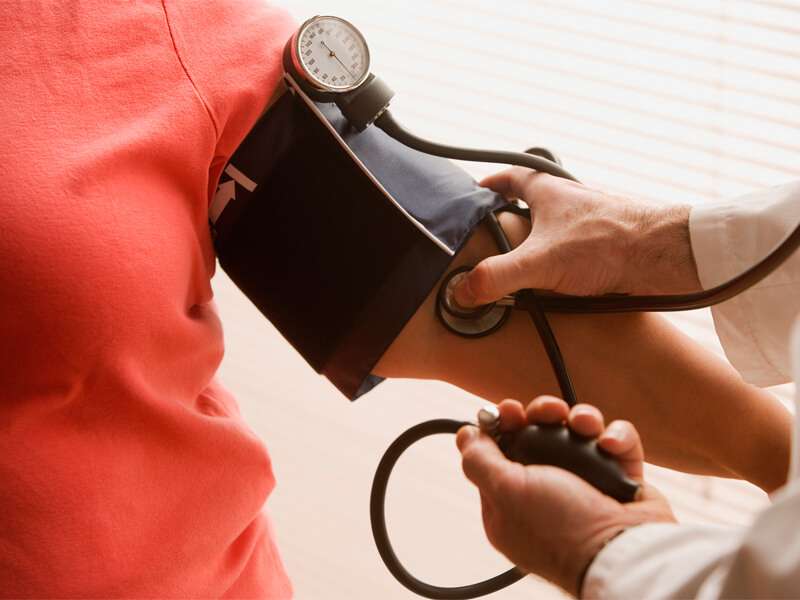
- Diagnosis: Regular monitoring of blood pressure using a sphygmomanometer is essential for diagnosis. A healthcare professional will take multiple readings to determine if hypertension is present.
- Treatment options: Management may include lifestyle changes such as diet and exercise, along with medications like diuretics or ACE inhibitors prescribed by a physician.
- What to expect: With adherence to treatment plans and regular check-ups, most patients can manage their blood pressure effectively and reduce the risk of complications.
Understanding hypertension and its implications will empower you to take charge of your health.