
Dr Jaswant Singh
About Me
Dr Jaswant Singh
MBBS
General Physician
10 Years Experience
Biography
My Clinic
OPD Hours
| Monday | Morning | 10:00 AM | - | 02:00 PM |
| Evening | 06:00 PM | - | 09:00 PM | |
| Tuesday | Morning | 10:00 AM | - | 02:00 PM |
| Evening | 06:00 PM | - | 09:00 PM | |
| Wednesday | Morning | 10:00 AM | - | 02:00 PM |
| Evening | 06:00 PM | - | 09:00 PM | |
| Thursday | Morning | 10:00 AM | - | 02:00 PM |
| Evening | 06:00 PM | - | 09:00 PM | |
| Friday | Morning | 10:00 AM | - | 02:00 PM |
| Evening | 06:00 PM | - | 09:00 PM | |
| Saturday | Morning | 10:00 AM | - | 02:00 PM |
| Evening | 06:00 PM | - | 09:00 PM | |
| Sunday | Morning | 10:00 AM | - | 02:00 PM |
| Evening | 06:00 PM | - | 09:00 PM |
Treatments
Specialised care and treatments offered
THYROID FUNCTION TESTING
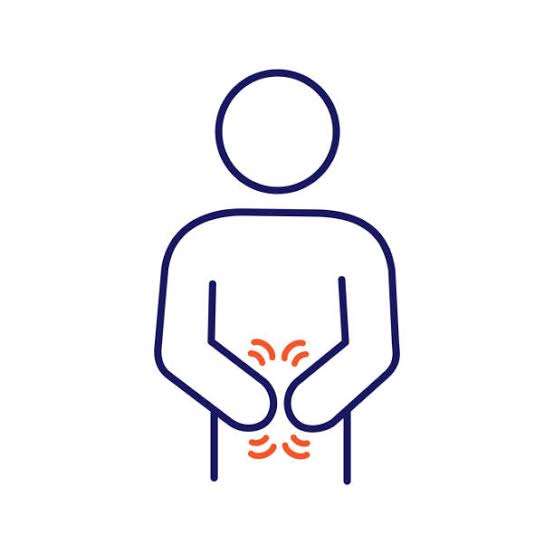
The thyroid gland regulates metabolism through hormone production. Thyroid function tests help evaluate whether this gland functions normally by measuring hormone levels in the bloodstream efficiently identifying disorders early on.
- {@:}
ELECTROCARDIOGRAM (ECG) TESTING

An Electrocardiogram records the electrical activity of the heart over time. It is a non-invasive test crucial for detecting various cardiac abnormalities promptly during routine checkups or symptom evaluation.
- Sensations & Indicators: Useful when patients report chest pain, palpitations, shortness of breath or unexplained dizziness which may signify heart rhythm disturbances or ischemia.
- The Test Setup: Small electrodes placed on the chest/limbs pick up electrical impulses; results displayed instantly provide insight into cardiac function patterns including arrhythmias and prior infarctions.
- Treatment Role: Helps guide urgent treatment strategies like medications adjustment or referral for advanced cardiology care if needed based on findings
LIPID PROFILE TESTING
Lipid profile testing evaluates the levels of fats in the blood which include cholesterol and triglycerides. It plays an essential role in assessing cardiovascular risk factors before clinical symptoms occur.
- Main Purpose: To identify abnormal lipid levels that could predispose individuals to heart disease or strokes despite lack of obvious symptoms initially.
- The Procedure: Requires fasting for 9–12 hours before drawing blood to ensure accurate measurement of LDL (bad cholesterol), HDL (good cholesterol), total cholesterol, and triglycerides.
- Treatment Strategies: Results inform recommendations on diet modification, exercise plans, and sometimes use of statins or other lipid-lowering drugs.
- Lifestyle Monitoring: Periodic follow-up testing measures effectiveness of interventions aiming at reducing cardiovascular risk factors over time.
This test provides essential guidance on managing lipid-related health concerns proactively thereby preventing future cardiac events effectively.
COMPLETE BLOOD COUNT (CBC) ANALYSIS
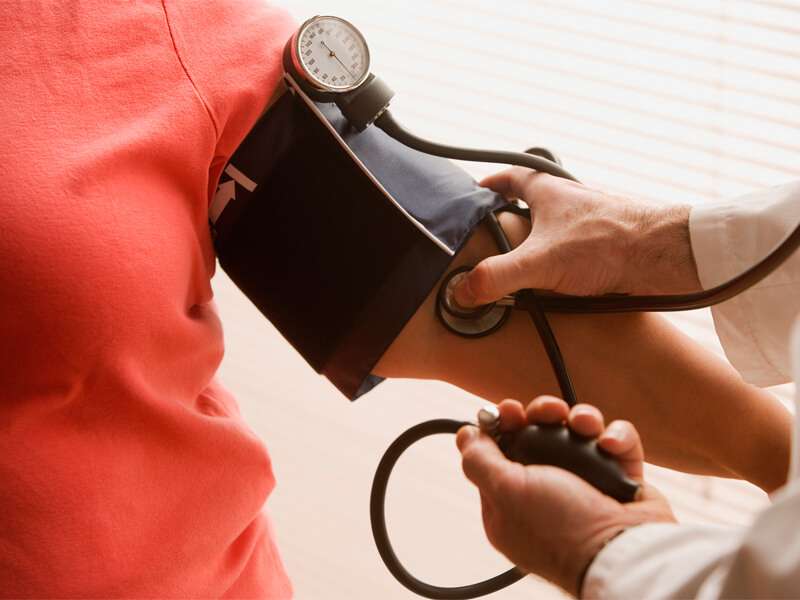
A Complete Blood Count is a fundamental laboratory test that provides vital information about the cells in your bloodstream. It assists in diagnosing various conditions affecting overall health.
- Spectrum Diagnosed: Anemia, infections, clotting disorders, and immune system abnormalities can be detected via CBC analysis.
- The Test Process: A small blood sample is collected from a vein and analyzed in a laboratory setting for red cells, white cells, hemoglobin levels, hematocrit, and platelets count.
- Treatment Impact: Abnormal results guide further investigation or treatment such as iron supplementation or antibiotics if infection is present.
- User Guidance: Patients usually do not require fasting; results generally return within one day allowing quick assessment of health status.
CBC remains an indispensable diagnostic tool offering comprehensive insight into a patient’s hematologic condition enabling informed medical decisions.
DIABETES MELLITUS SCREENING

Screening for diabetes mellitus is critical for early detection and prevention of complications associated with high blood sugar levels. Diabetes is a metabolic disorder affecting the body’s ability to regulate glucose.
- Symptoms & Causes: Excessive thirst, frequent urination, fatigue; caused by insulin resistance or deficiency.
- Diagnostic Tests: Fasting blood glucose and HbA1c tests are standard methods for screening and confirming diagnosis.
- Treatment Options: Dietary management, physical activity, oral hypoglycemics, or insulin therapy depending on severity.
- Ongoing Care: Regular monitoring of blood sugar levels helps prevent complications such as neuropathy or cardiovascular disease.
Earliest identification through screening enables timely treatment initiation improving quality of life and minimizing long-term risks linked to diabetes mellitus.
HYPERTENSION MANAGEMENT

High blood pressure, or hypertension, is a common condition that can lead to serious health issues if left untreated. It often has no obvious symptoms but requires careful monitoring and control to prevent complications.
- Causes & Symptoms: Often caused by lifestyle factors like diet and stress, hypertension usually presents without symptoms but may occasionally cause headaches or dizziness.
- Diagnosis: Regular blood pressure measurements using a cuff monitor are essential; ambulatory monitoring might be used for accurate readings.
- Treatment: Lifestyle modifications such as dietary changes, exercise, and medication like ACE inhibitors or beta-blockers help control blood pressure.
- Management: Consistent follow-up appointments are important to adjust therapy and assess organ function affected by hypertension.
With appropriate management, individuals with high blood pressure can significantly reduce their risk of heart disease and stroke, promoting long-term health stability.