
Dr Jag Mohan Gupt
About Me
Dr Jag Mohan Gupt
MS
Orthopaedic Surgeons
10 Years Experience
Biography
My Clinic
OPD Hours
| Monday | Morning | 10:00 AM | - | 02:00 PM |
| Evening | 06:00 PM | - | 09:00 PM | |
| Tuesday | Morning | 10:00 AM | - | 02:00 PM |
| Evening | 06:00 PM | - | 09:00 PM | |
| Wednesday | Morning | 10:00 AM | - | 02:00 PM |
| Evening | 06:00 PM | - | 09:00 PM | |
| Thursday | Morning | 10:00 AM | - | 02:00 PM |
| Evening | 06:00 PM | - | 09:00 PM | |
| Friday | Morning | 10:00 AM | - | 02:00 PM |
| Evening | 06:00 PM | - | 09:00 PM | |
| Saturday | Morning | 10:00 AM | - | 02:00 PM |
| Evening | 06:00 PM | - | 09:00 PM | |
| Sunday | Morning | 10:00 AM | - | 02:00 PM |
| Evening | 06:00 PM | - | 09:00 PM |
Treatments
Specialised care and treatments offered
POST-OPERATIVE REHABILITATION
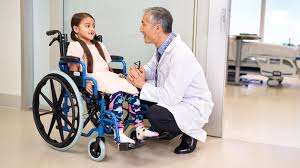
Your recovery doesn't end when surgery is finished; indeed effective rehabilitation plays an integral role shaping outcomes post-operation! Tailoring programs suited individual needs gains paramount importance enhancing both healing times & functional ability following orthopedic surgeries performed previously successfully!
- Commonly experienced challenges during early phases involve discomfort/pain challenging engage typical mobility levels normalized earlier; however addressing concerns ensures smoother transitions together guided consistently throughout days leading returning regular functions soon possible engaged back day-to-day routine additionally experiencing significant improvements agility steadily regained throughout interventions provided accordingly thereafter!
- A thorough assessment evaluates pre-existing strength conditioning ensuring personalized exercise regimes maximize results attained overall while minimizing risks complications occurring unexpectedly thereafter subsequently reflecting quick success feedback loops established!
- Depending personal circumstances various treatment strategies employed anticipate building core stability returns enhanced function achieved milestone objectives correspondingly aligned additionally psychological aspects supportive measures incorporated promote confidence enhancing morale/reforcing adherence procedural plans actively together emerging resilient pathways pursued optimistically forward ensuring satisfied experiences associated desired progressive journey consistently felt rather than obstructed inadequacies encountered otherwise!
The right support network encourages meaningful recovery assisting everyone back competing finest form strongly regardless any needed adjustments altogether made enlightening perspectives embraced towards prevailing strengths emerged out transitions evolving moving forward wisely together aiming higher goals beyond initial expectations met within preparations embraced fundamentally accurately ideally flourish anew brightly onward ahead each day every step taken valued !
OSTEOPOROSIS SCREENING
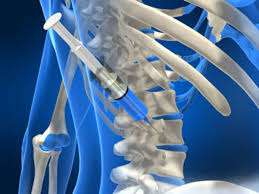
This silent condition results in weakened bones making them susceptible to fractures. Heightened awareness allows individuals to take steps toward preventive care before severe issues arise. Osteoporosis screening becomes particularly important as one ages or if there are risk factors present in family history or lifestyle choices.
- Main indicators might not be noticeable until a fall leads to fractures; however signs such as loss of height might hint at weaker bones developing over time without intervention!
- An initial assessment will often involve bone density scans, helping evaluate bone mass against normal values based on age and gender considerations.
- If diagnosed early enough, treatments could entail supplements like calcium & vitamin D paired together with medications that stabilize bone density levels successfully preventing further decline effectively overall quality of life improves substantially too!
- Certain lifestyle modifications also positively impact bone health: regular weight-bearing exercises alongside balanced dietary practices inclusive key nutrients necessary bolster skeletal strength providing security against future falls/downfalls alike!
Diligent monitoring facilitates resilience going forward promoting active lifestyles throughout aging without debilitating effects associated osteoporosis!
SPORTS INJURY PREVENTION

Engaging in sports opens up opportunities for both enjoyment and physical fitness; however, injuries are a common concern. Implementing preventive measures can significantly reduce the risk during sports activities.
- Main symptoms signaling an injury may include persistent pain during movement or swelling around joints following exertion.
- A comprehensive evaluation usually involves assessing past injury history along with current physical condition through functional tests tailored for specific sports activities.
- Treatment options emphasize warm-ups, strengthening exercises, proper techniques during play along with protective gear usage is recommended for prevention of future injuries.
- You should also consider incorporating flexibility routines which enhance performance while minimizing stress on muscles and joints during sports competitions or practice sessions.
The right preparation makes all the difference in enjoying sports safely without recurrent setbacks from injuries!
ARTHRITIS SCREENING

Arthritis encompasses a group of disorders characterized by inflammation in the joints. Early detection is essential to mitigate progression. Regular screenings can help identify risk factors before they develop into debilitating conditions.
- Individuals may experience symptoms such as joint pain, stiffness, especially after periods of inactivity, alongside swelling in affected areas.
- A healthcare provider will perform a thorough examination, including blood tests to measure inflammatory markers and X-rays for structural changes in the joints.
- If diagnosed, management strategies differ based on type but often include lifestyle adjustments like increased physical activity along with medication options aimed at reducing inflammation and pain relief.
- Edit your daily habits by incorporating dietary changes that might alleviate symptoms and support improved joint health over time.
A preventive approach through regular screening fosters healthier joints long-term.
FRACTURE CARE

A fracture occurs when there is a break in the bone due to trauma or stress. Prompt assessment and treatment are vital to ensure proper healing. Seeking medical attention immediately post-injury can prevent complications.
- The most common symptoms include severe pain at the injury site, swelling, and inability to use the limb normally.
- A thorough diagnosis includes physical exams and imaging tests like X-rays to confirm the fracture type and location.
- Treatment may involve immobilization with casts or splints for stable fractures; more complex situations could necessitate surgical fixation techniques like pins or plates.
- Following treatment, rehabilitation through physical therapy will be crucial for restoring strength and range of motion.
- If properly managed, most fractures heal well within weeks to months, allowing a return to normal activities with time.
An early intervention can greatly enhance recovery outcomes.
JOINT PAIN MANAGEMENT

Joint pain can significantly impact daily activities and quality of life. It may arise due to various factors such as arthritis, injury, or overuse. Understanding its origin is crucial for effective management.
- Common symptoms include swelling, stiffness, and decreased range of motion in the affected joint.
- Diagnosis typically involves physical examinations, alongside imaging tests like X-rays or MRIs to ascertain the underlying cause.
- Treatment options focus on relieving pain and improving functionality, including physical therapy, medications such as NSAIDs, and sometimes corticosteroid injections.
- Regular exercise and weight management are vital components of a comprehensive approach to managing joint health.
- Most patients can expect gradual improvement with appropriate care; however, some conditions may require surgical intervention if conservative measures fail.
A proactive approach is essential for maintaining joint function and overall mobility.