
Dr J K Gupta
About Me
Dr J K Gupta
MS
Cardiothorocic Surgeon
10 Years Experience
Biography
My Clinic
OPD Hours
| Monday | Morning | 10:00 AM | - | 02:00 PM |
| Evening | 06:00 PM | - | 09:00 PM | |
| Tuesday | Morning | 10:00 AM | - | 02:00 PM |
| Evening | 06:00 PM | - | 09:00 PM | |
| Wednesday | Morning | 10:00 AM | - | 02:00 PM |
| Evening | 06:00 PM | - | 09:00 PM | |
| Thursday | Morning | 10:00 AM | - | 02:00 PM |
| Evening | 06:00 PM | - | 09:00 PM | |
| Friday | Morning | 10:00 AM | - | 02:00 PM |
| Evening | 06:00 PM | - | 09:00 PM | |
| Saturday | Morning | 10:00 AM | - | 02:00 PM |
| Evening | 06:00 PM | - | 09:00 PM | |
| Sunday | Morning | 10:00 AM | - | 02:00 PM |
| Evening | 06:00 PM | - | 09:00 PM |
Treatments
Specialised care and treatments offered
LUNG CANCER SCREENING
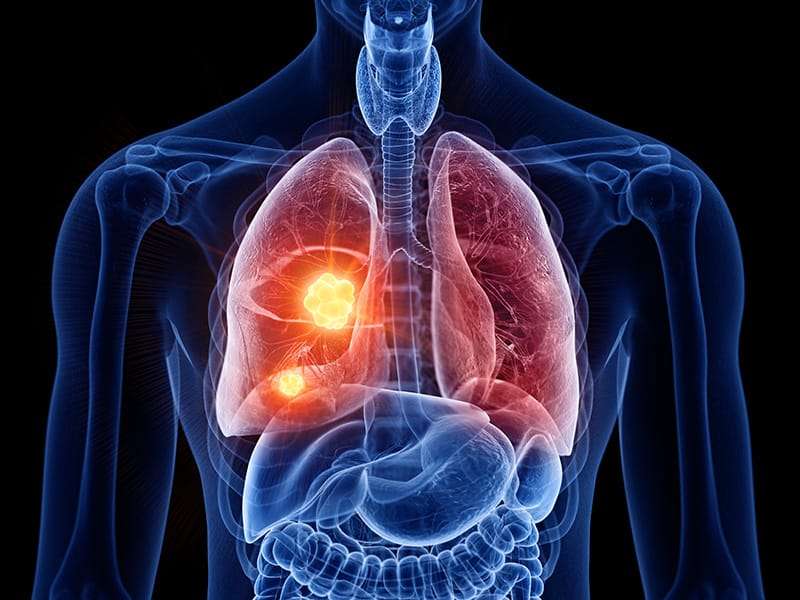
Lung cancer screening serves as an essential measure for early detection among high-risk populations. The intention behind systematic screenings lies in identifying lung cancer before it progresses into advanced stages where treatment outcomes diminish considerably
.- Common symptoms might not appear until later stages but could entail persistent coughs along with bloody sputum & unexplained weight loss
- Low-dose CT scans constitute customary diagnostic tools employed during screening protocols thereby increasing chances yielding favorable outcomes
- Additional behavioral modifications relying upon smoking cessation remain paramount compliments any treatment pathways taken forward post-diagnosis
- Early-stage identification fosters intervention opportunities ranging anywhere from localized excisions toward chemotherapy or radiation therapies depending upon malignancy's spread further down
- Individuals who receive timely screenings benefit profoundly regarding survival rates translating better aftercare frameworks thus emphasizing commitment preventive health practices outside mere treatments alone
Regular screenings consequently embody proactive healthcare initiatives critical ensuring well-being throughout vulnerable populations undergoing rigorous evaluations across clinical settings.
HEART VALVE REPLACEMENT
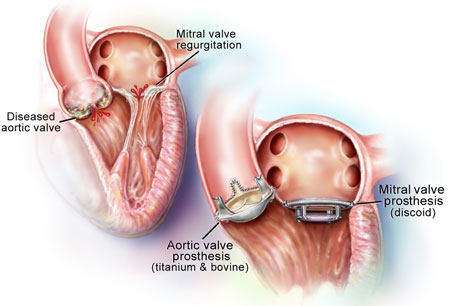
The process of heart valve replacement is vital for patients suffering from severely malfunctioning heart valves that lead to compromised cardiac functionality. Such replacements aim at restoring normal hemodynamics within the circulatory system through either mechanical or bioprosthetic valves depending on patient-specific factors
.- The signs indicating potential valve dysfunction include unexplained fatigue during simple tasks alongside irregular heart rhythms or swelling in legs/ankles due fluid retention.
- Advanced diagnostic tools like echocardiography play an instrumental role in confirming valvular defects necessitating surgical correction
- Management options revolve around medical therapy sufficient enough for mild cases but escalates towards surgical intervention when certain thresholds are crossed
- During surgery, surgeons replace defective valves via open-heart methods or less invasive transcatheter techniques aimed at matching individual needs without compromising safety
- Recovery timeline varies based on age & overall health status; patients will likely partake in structured rehabilitation programs whilst being monitored closely post-operation
Addressing valve malfunctions effectively contributes significantly towards improved longevity while enhancing overall quality-of-life markers.
THORACIC OUTLET SYNDROME TREATMENT
A comprehensive understanding of thoracic outlet syndrome (TOS) is essential given its potential impact on vascular and neurological function due to compression in the thoracic outlet region. Primarily affecting circulation and nerve signaling offers various therapeutic pathways for alleviation of symptoms.
- The syndrome often manifests through arm weakness, numbness, tingling sensations, and even pain that radiates into the shoulder area.
- Diagnosing TOS may require physical examinations along with nerve conduction studies or diagnostic imaging techniques like MRIs for detailed anatomical assessment.
- Treatment approaches can include physiotherapy for strengthening muscles around the shoulder girdle as well as strategies for improving posture; however,surgery might be necessary if conservative treatment fails to relieve severe symptoms effectively.
- Surgical interventions typically focus on relieving compression by removing structures contributing to blockage within the thoracic outlet space.
- Recovery details depend on individual response but generally encompass rehabilitative exercises tailored after surgery aimed at restoring mobility without pain recurrence.
This treatment plan can significantly improve daily functioning by enhancing blood flow and nerve conductivity in affected patients.
AORTIC ANEURYSM REPAIR
Aortic aneurysm repair is a critical intervention for individuals with bulging areas in their aorta. If left untreated, these aneurysms can rupture, leading to serious complications or death.
- Common symptoms might include back pain or a pulsating feeling near the navel; however, many aneurysms are asymptomatic until they are at risk of rupture.
- Diagnosis is generally made with imaging studies such as ultrasound or CT scans that visualize the thoracic or abdominal aorta.
- Treatment options vary from watchful waiting for smaller aneurysms to surgical intervention for larger or symptomatic ones.
- Surgery options may involve open surgery or endovascular methods which are minimally invasive and associated with shorter recovery times.
- Post-operative care includes monitoring blood pressure and regular follow-ups to prevent complications post-surgery.
Aortic aneurysm repair significantly enhances survival rates among those diagnosed with this life-threatening condition when detected early enough.
MITRAL VALVE REPAIR
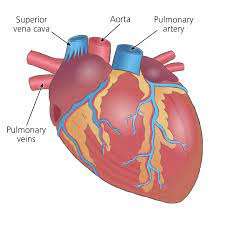
Mitral valve repair is an important surgical procedure aimed at correcting issues with the mitral valve in the heart. This valve plays a crucial role in ensuring proper blood flow between the upper and lower chambers of the heart.
- Symptoms indicating mitral valve problems include palpitations, fatigue, and shortness of breath during physical activity.
- Diagnosis typically involves echocardiograms and possibly MRI imaging to assess valve structure and function.
- Treatment can range from medication management to surgical intervention like repair or replacement based on severity.
- Surgery may involve techniques such as annuloplasty or chordal repair methods to restore proper function without full replacement.
- Patients usually experience significant improvements in symptoms post-operation but need continuous follow-up care for optimal recovery.
This procedure not only alleviates symptoms but also prolongs survival in cases of severe degenerative mitral disease.
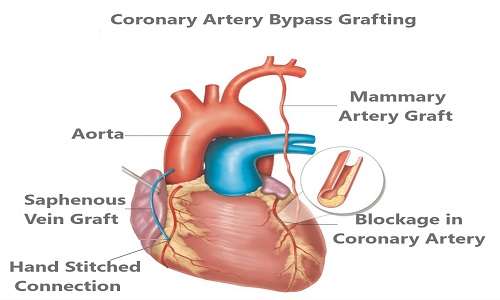
CORONARY ARTERY BYPASS GRAFTING (CABG)
Coronary Artery Bypass Grafting (CABG) is a surgical procedure used to treat coronary artery disease. It involves bypassing blocked or narrowed coronary arteries to improve blood flow to the heart muscle.
- Symptoms of coronary artery disease may include chest pain, shortness of breath, and fatigue.
- The condition is often diagnosed through tests such as angiograms, stress tests, or echocardiograms.
- Treatment options include lifestyle changes, medications, and potentially CABG surgery for severe cases.
- During CABG, surgeons use blood vessels from other parts of the body to create a new pathway for blood to reach the heart.
- Post-surgery, patients can expect a recovery period that includes pain management and cardiac rehabilitation.
This procedure significantly improves quality of life and reduces the risk of heart attacks when performed in appropriate candidates.