
Dr J C Mayanka
About Me
Dr J C Mayanka
MS
Orthopaedic Surgeons
10 Years Experience
Biography
My Clinic
OPD Hours
| Monday | Morning | 10:00 AM | - | 02:00 PM |
| Evening | 06:00 PM | - | 09:00 PM | |
| Tuesday | Morning | 10:00 AM | - | 02:00 PM |
| Evening | 06:00 PM | - | 09:00 PM | |
| Wednesday | Morning | 10:00 AM | - | 02:00 PM |
| Evening | 06:00 PM | - | 09:00 PM | |
| Thursday | Morning | 10:00 AM | - | 02:00 PM |
| Evening | 06:00 PM | - | 09:00 PM | |
| Friday | Morning | 10:00 AM | - | 02:00 PM |
| Evening | 06:00 PM | - | 09:00 PM | |
| Saturday | Morning | 10:00 AM | - | 02:00 PM |
| Evening | 06:00 PM | - | 09:00 PM | |
| Sunday | Morning | 10:00 AM | - | 02:00 PM |
| Evening | 06:00 PM | - | 09:00 PM |
Treatments
Specialised care and treatments offered
BUNIONECTOMY
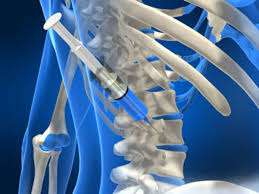
A bunionectomy is performed to correct bunions - bony protrusions at the base of the big toe that can cause pain. This procedure aims not only to alleviate discomfort but also restore proper alignment of the toe structure
- Symptoms typically include noticeable swelling at the toe’s base along with sharp or throbbing pain when wearing shoes.
- Diagnosis is confirmed through physical examination coupled with X-rays showing toe misalignment.
- Surgical options vary; however, most involve removing excess bone while realigning soft tissues around it via precise techniques tailored for best outcomes.
- Post-surgery recovery protocols often focus on limited weight-bearing initially followed by gradual mobility exercises.
Comprehensive approaches ensure patients return quickly to daily activities free from bunion-related limitations
CARTILAGE REPAIR
Cartilage repair procedures aim to restore damaged cartilage within joints. This treatment is essential for athletes and active individuals who experience joint pain due to cartilage injuries or degeneration.
- Main symptoms include joint aching, stiffness, and localized tenderness during movement are common indicators of cartilage damage.
- Diagnosis usually requires advanced imaging techniques such as MRI alongside clinical evaluation.
- Treatment may involve techniques like microfracture surgery where small holes are made in underlying bone to stimulate cartilage growth or other minimally invasive methods.
- Patients typically see improvement over time but will need structured rehabilitation afterward.
Addressing cartilage issues proactively leads to better long-term joint health.
TENDON REPAIRS

Tendon repairs are crucial surgeries aimed at restoring function after tendon injury. Prompt intervention can lead to better outcomes in terms of mobility and strength recovery.
- Symptoms often include significant pain, swelling, or inability to use the affected muscle group correctly.
- A thorough physical assessment along with diagnostic imaging helps determine the extent of injury before proceeding with treatment options.
- Surgical repair involves suturing the tendon back together using minimally invasive techniques whenever possible for faster recovery times.
- Patients should anticipate rehabilitation focused on restoring movement post-surgery as part of their management plan.
JOINT INJECTIONS

Joint injections are an effective method for alleviating pain and inflammation caused by various conditions. These injections can provide quick relief and improve mobility in affected joints.
- Common signs that might necessitate this treatment include swelling, stiffness, or loss of function in a joint.
- The diagnosis process usually starts with physical examinations followed by imaging studies to confirm issues within the joint structure.
- Treatment can involve corticosteroids or hyaluronic acid being injected directly into the joint space for pain relief and lubrication.
- The procedure is generally quick with minimal discomfort during injection and can be performed in an office setting.
This non-surgical option can significantly enhance patient quality of life by reducing symptoms effectively.
PLATELET-RICH PLASMA (PRP) THERAPY

PRP therapy utilizes components from your own blood to aid in healing injuries or chronic conditions. By concentrating the platelets, this treatment harnesses natural growth factors that promote tissue repair.
- Symptoms indicating PRP therapy may involve persistent pain or inflammation in joints, tendons, or ligaments.
- The diagnosis is made through clinical evaluation and understanding the patient's medical history.
- This minimally invasive procedure involves drawing blood, processing it, and injecting the concentrated platelets into the affected area.
- Patients should expect a gradual improvement over several weeks as healing progresses.
- The treatment has low risks since it uses the body’s own materials for healing.
This innovative approach supports your body’s natural healing mechanisms effectively.
ARTHROSCOPY

Arthroscopy is a minimally invasive surgical procedure used to diagnose and treat joint issues. This technique involves small incisions and the use of a camera to visualize the joint interior, allowing for effective treatment without large cuts.
- Common symptoms of joint problems include pain, swelling, and reduced range of motion.
- Diagnosis typically involves physical examinations and imaging tests like X-rays or MRI.
- Treatment options may encompass removal of torn tissue, repairing ligaments, or cleaning out damaged cartilage.
- Patients can expect a shorter recovery time compared to traditional open surgery.
- Postoperative care is important for optimal recovery and often includes physiotherapy.
This approach enables better healing with minimal disruption to surrounding tissues.