
Dr Indivar Sharm
About Me
Dr Indivar Sharm
MBBS
General Physician
10 Years Experience
Biography
My Clinic
OPD Hours
| Monday | Morning | 10:00 AM | - | 02:00 PM |
| Evening | 06:00 PM | - | 09:00 PM | |
| Tuesday | Morning | 10:00 AM | - | 02:00 PM |
| Evening | 06:00 PM | - | 09:00 PM | |
| Wednesday | Morning | 10:00 AM | - | 02:00 PM |
| Evening | 06:00 PM | - | 09:00 PM | |
| Thursday | Morning | 10:00 AM | - | 02:00 PM |
| Evening | 06:00 PM | - | 09:00 PM | |
| Friday | Morning | 10:00 AM | - | 02:00 PM |
| Evening | 06:00 PM | - | 09:00 PM | |
| Saturday | Morning | 10:00 AM | - | 02:00 PM |
| Evening | 06:00 PM | - | 09:00 PM | |
| Sunday | Morning | 10:00 AM | - | 02:00 PM |
| Evening | 06:00 PM | - | 09:00 PM |
Treatments
Specialised care and treatments offered
DIABETIC KETOACIDOSIS (DKA)

An acute metabolic emergency primarily affecting people with diabetes whereby insufficient insulin leads to elevated ketone bodies causing acid-base imbalance posing life-threatening risk.
COMMUNITY-ACQUIRED PNEUMONIA

This lung infection acquired outside hospital settings results in inflammation impacting air sacs causing cough and breathing difficulty. Early diagnosis improves prognosis significantly especially among vulnerable populations.
.ulURINARY TRACT INFECTION (UTI)

A urinary tract infection is an infection affecting the kidneys, bladder or urethra that typically causes discomfort during urination. It is one of the common acute conditions seen in general practice settings.
- The usual symptoms include burning sensation while urinating, frequent urge to urinate with little output, cloudy urine possibly tinged with blood, pelvic pain in women or lower abdominal discomfort in men.
- Bacterial infections—most commonly E.coli—are the primary cause. Diagnosis, made via urine analysis and culture tests confirms the presence of infection.
ACUTE GASTROENTERITIS
This illness causes sudden inflammation of the stomach and intestines, typically resulting from infections. Its rapid onset often leads to dehydration if not managed suitably.
- The predominant symptoms include nausea, vomiting, diarrhea, abdominal cramps, and sometimes fever.
- Causative agents mostly encompass viruses like norovirus or rotavirus; bacteria and parasites may also be involved.
- A thorough clinical assessment helps differentiate this from other causes; stool testing may aid in identifying specific pathogens when needed.
- Treatment centers on rehydration with oral fluids or intravenous therapy for severe cases along with electrolyte replacement.
- Simplifying diet initially by avoiding heavy meals facilitates recovery alongside good hygiene practices to prevent spread.
If symptoms persist beyond several days or worsen significantly, medical advice should be sought promptly to avoid complications such as severe dehydration or systemic infection.
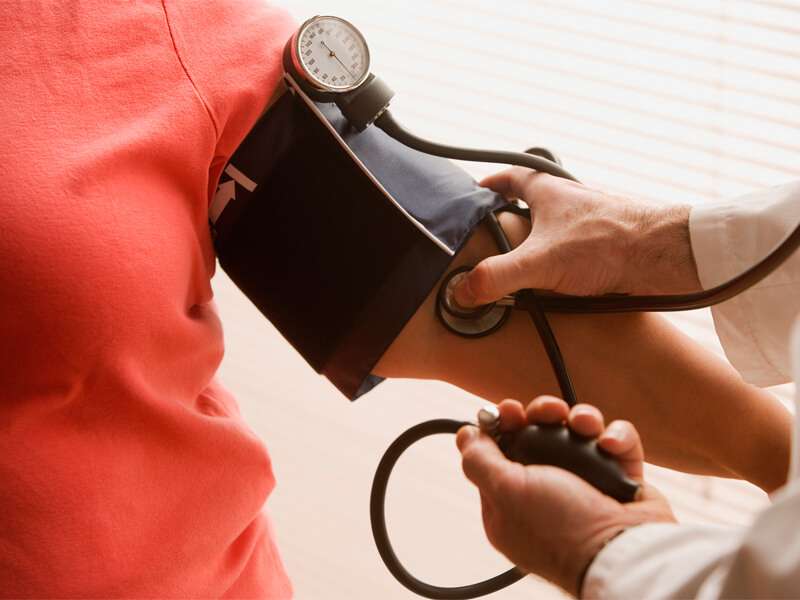
HYPERTENSIVE CRISIS
A hypertensive crisis occurs when blood pressure rises dramatically to dangerous levels. This urgent condition demands immediate medical assessment to prevent damage to vital organs.
- Symptoms may include severe headache, blurred vision, chest pain, difficulty breathing, and confusion.
- The cause often relates to uncontrolled hypertension, medication noncompliance, or secondary health issues.
- Diagnosis requires rapid blood pressure measurement and evaluation of organ function through lab tests and imaging if necessary.
- The primary treatment involves controlled lowering of blood pressure using intravenous medications under close medical supervision.
- Avoiding abrupt lifestyle changes without consultation is critical because sudden drops in blood pressure can be harmful.
Efficacious management reduces risks of stroke or heart attack related to this emergency situation. Immediate recognition and care are essential for favorable outcomes.
ACUTE BRONCHITIS

Acute bronchitis is a temporary inflammation of the bronchial tubes, which carry air to your lungs. This condition commonly follows a cold or respiratory infection and can cause coughing and chest discomfort.
- Symptoms include persistent cough, production of mucus, fatigue, mild fever, and chest tightness.
- Causes are usually viral infections but may also be bacterial or due to irritants like smoke.
- Diagnosis mainly involves a physical exam; sometimes chest X-rays or sputum tests are performed to rule out pneumonia.
- Treatment focuses on relieving symptoms through rest, fluids, pain relievers, and occasionally cough suppressants; antibiotics are seldom needed.
- Management involves avoiding smoking or irritants and monitoring for worsening symptoms such as high fever or difficulty breathing.
This condition generally improves within a few weeks with proper care. Prompt attention can prevent complications and promote recovery.