
Dr Ima Singhal
About Me
Dr Ima Singhal
MS
Cardiothorocic Surgeon
10 Years Experience
Biography
My Clinic
OPD Hours
| Monday | Morning | 10:00 AM | - | 02:00 PM |
| Evening | 06:00 PM | - | 09:00 PM | |
| Tuesday | Morning | 10:00 AM | - | 02:00 PM |
| Evening | 06:00 PM | - | 09:00 PM | |
| Wednesday | Morning | 10:00 AM | - | 02:00 PM |
| Evening | 06:00 PM | - | 09:00 PM | |
| Thursday | Morning | 10:00 AM | - | 02:00 PM |
| Evening | 06:00 PM | - | 09:00 PM | |
| Friday | Morning | 10:00 AM | - | 02:00 PM |
| Evening | 06:00 PM | - | 09:00 PM | |
| Saturday | Morning | 10:00 AM | - | 02:00 PM |
| Evening | 06:00 PM | - | 09:00 PM | |
| Sunday | Morning | 10:00 AM | - | 02:00 PM |
| Evening | 06:00 PM | - | 09:00 PM |
Treatments
Specialised care and treatments offered
MITRAL VALVE PROLAPSE REPAIR
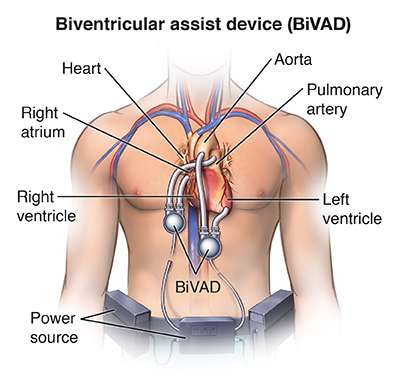
Lorem ipsum dolor sit amet consectetur adipisicing elit. Quasi minus ullam accusamus ex doloremque repudandae at fugit sit nihil quo provident necessitatibus dolorum accusantium quam cum nesciunt officiis aliquid! Eaque!
- Lorem ipsum dolor sit amet consectetur adipisicing elit. Praesentium vero qui earum incidunt? Lorem ipsum dolor sit amet consectetur adipisicing elit...
THORACIC ANEURYSM REPAIR
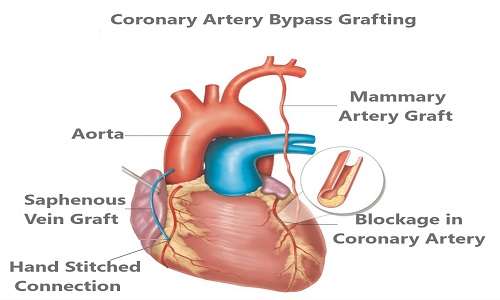
Repairing a Thoracic Aneurysm involves addressing abnormal bulges in the walls of the thoracic aorta. These aneurysms pose significant risks if left untreated due to potential rupture leading to fatal internal bleeding.
- Symptoms might include sharp chest pain or back discomfort alongside difficulty breathing as pressures change.
- Diagnosis generally includes imaging techniques like MRIs or CT scans which help visualize aneurysm size accurately.
- Management typically consists of careful monitoring for smaller aneurysms while larger ones may necessitate surgical repair through traditional open surgery or less invasive endovascular methods.
- During repair procedures, surgeons work meticulously either by replacing part of the vessel with grafts or stents depending on individual circumstances.
- Recovery depends on surgery type but often involves significant postoperative care focusing on cardiovascular health maintenance thereafter.
Effective treatment considerably lowers rupture risks enhancing long-term patient prognosis significantly.
HEART TRANSPLANTATION
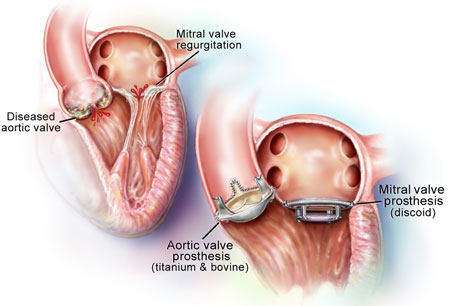
A Heart Transplantation is a lifesaving procedure reserved for patients experiencing end-stage heart failure where conventional treatments have failed. The patient's diseased heart is replaced with a healthy donor heart in this intricate operation.
- Patients often experience advanced symptoms, including extreme fatigue, swelling in the legs, and arrhythmias that disrupt normal cardiac function.
- The diagnosis involves thorough evaluations to determine suitability through stress tests and imaging studies assessing heart functionality.
- Treatment options preceding transplantation could include medications aimed at managing symptoms and maximizing existing heart function temporarily until surgery can occur.
- The transplant itself requires meticulous matching protocols between donor and recipient to reduce rejection risks post-operation.
- An intensive follow-up care regimen post-surgery ensures monitoring for complications such as organ rejection or infection during recovery phases.
This transformative procedure offers hope when other interventions are no longer viable options for patients facing severe cardiac issues.
LUNG CANCER RESECTION
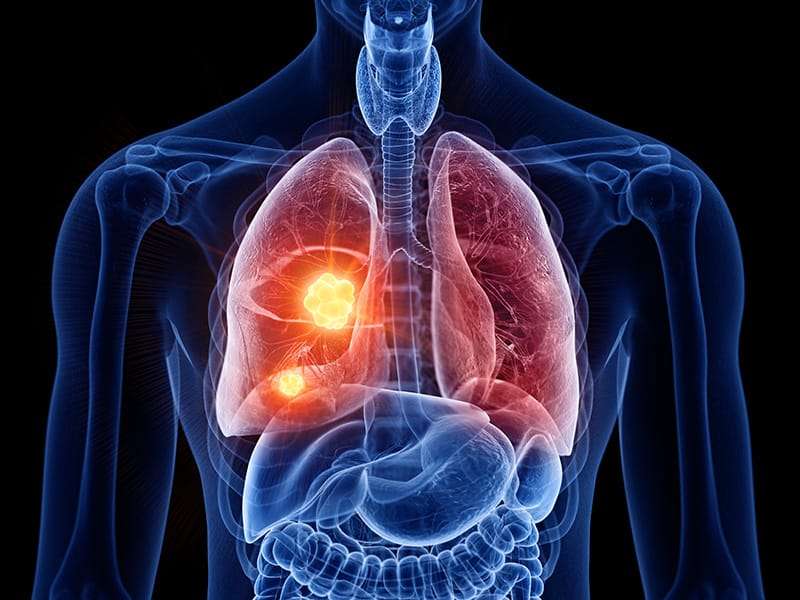
Lung Cancer Resection is an essential treatment option for patients diagnosed with non-small cell lung cancer localized within the lungs. The goal is to remove cancerous tissues while preserving as much healthy lung tissue as possible.
- Common symptoms may include persistent cough, unexplained weight loss, and difficulty breathing.
- Diagnosis typically involves imaging tests such as CT scans and biopsies to examine tumor characteristics accurately.
- Treatment can involve various strategies including chemotherapy and radiation therapy prior to surgery for better outcomes.
- The resection may be partial or total depending on tumor size and location within the lungs.
- A comprehensive recovery plan post-surgery includes pulmonary rehabilitation to aid in regaining lung capacity effectively.
This surgical approach significantly impacts survival rates when carried out at an early stage of the disease process.
AORTIC VALVE REPLACEMENT
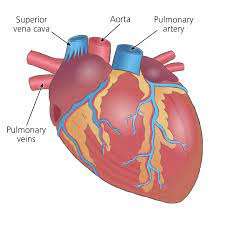
Aortic Valve Replacement is a critical intervention for patients suffering from aortic stenosis or regurgitation. This condition involves narrowing or leaking of the valve that impedes normal blood flow.
- Main symptoms include dizziness, chest discomfort, and decreased exercise tolerance.
- The diagnosis often requires echocardiography to assess valve function and heart structure accurately.
- Treatment may range from monitoring to surgical interventions like valve repair or replacement depending on severity.
- The surgery may involve either traditional open-heart surgery or minimally invasive techniques based on patient health status.
- A full recovery can take several weeks, during which patients will undergo follow-up assessments
This procedure aims to restore effective heart function and improve overall well-being for individuals grappling with valvular heart disease.
CORONARY ARTERY BYPASS GRAFTING (CABG)
Coronary Artery Bypass Grafting is a surgical procedure designed to improve blood flow to the heart. It is commonly recommended for patients with severe coronary artery disease, where the arteries are affected by plaque buildup.
- Symptoms may include chest pain, shortness of breath, or fatigue during physical activity.
- The diagnosis typically involves a combination of electrocardiograms, stress tests, and imaging techniques like angiography.
- Treatment options vary but often include lifestyle changes, medications, and in severe cases, CABG.
- During surgery, veins from other parts of the body are used to create a new pathway for blood flow.
- Post-surgery recovery usually entails a monitored hospital stay and a structured rehabilitation program.
This procedure can significantly enhance quality of life by alleviating symptoms and reducing the risk of heart attacks.