
Dr Homoeopathic C
About Me
Dr Homoeopathic C
MBBS
General Physician
10 Years Experience
Biography
My Clinic
OPD Hours
| Monday | Morning | 10:00 AM | - | 02:00 PM |
| Evening | 06:00 PM | - | 09:00 PM | |
| Tuesday | Morning | 10:00 AM | - | 02:00 PM |
| Evening | 06:00 PM | - | 09:00 PM | |
| Wednesday | Morning | 10:00 AM | - | 02:00 PM |
| Evening | 06:00 PM | - | 09:00 PM | |
| Thursday | Morning | 10:00 AM | - | 02:00 PM |
| Evening | 06:00 PM | - | 09:00 PM | |
| Friday | Morning | 10:00 AM | - | 02:00 PM |
| Evening | 06:00 PM | - | 09:00 PM | |
| Saturday | Morning | 10:00 AM | - | 02:00 PM |
| Evening | 06:00 PM | - | 09:00 PM | |
| Sunday | Morning | 10:00 AM | - | 02:00 PM |
| Evening | 06:00 PM | - | 09:00 PM |
Treatments
Specialised care and treatments offered
GASTROENTERITIS
This common digestive system disorder involves inflammation of the stomach and intestines resulting in diarrhea, vomiting and abdominal cramps. It usually resolves quickly but can be concerning especially for young children and elderly people due to dehydration risks.
- Main causes & symptoms: Viral infections contaminated food water causing nausea vomiting diarrhea abdominal pain fever
- Diagnosis: Mainly clinical based on history physical signs stool tests sometimes done in severe cases
- Treatment approach: Rehydration oral fluids electrolyte replacement symptomatic relief medications advised if bacterial infection suspected
- Expected course: Symptoms typically subside within few days likely full recovery however watch closely infants elderly immunocompromised patients
Adequate fluid intake timely medical care ensure safe recovery from gastroenteritis preventing complications such as severe dehydration.
ASTHMA

This chronic condition involves inflammation of the airways leading to periodic wheezing, breathlessness and coughing. While incurable at present, proper control enables normal functioning without major disruption to life activities.
- Main triggers & symptoms:Dust mites pollution allergens cold air causing episodes marked by difficulty breathing tightness chest discomfort cough especially at night or early morning
- Diagnostic measures: Clinical evaluation pulmonary function tests confirm airway obstruction variability
- Treatment options: Inhaled corticosteroids bronchodilators avoid exposure trigger factors regular medical follow-up
- Management expectations: With adherence majority maintain good control reduced exacerbations hospitalizations
A steady partnership between patient healthcare provider helps minimize flare-ups improving overall wellbeing despite living with asthma.
ANEMIA

Anemia occurs when your blood lacks enough healthy red blood cells or hemoglobin. This results in decreased oxygen delivery to body tissues causing tiredness and weakness. It affects people of all ages but can have varied causes.
- Main signs & causes: Fatigue, pale skin; caused by iron deficiency, chronic diseases or vitamin deficiencies among others.
- The diagnostic approach: Blood tests including complete blood count (CBC) identify low hemoglobin levels confirming anemia type.
- Treatment strategies: Supplementation with iron or vitamins depending on cause; addressing underlying conditions also essential.
- Treatment outcomes: Symptoms improve gradually with therapy; ongoing monitoring ensures resolution without recurrence in most cases.
Early detection helps restore energy levels effectively making daily activities easier for affected persons across different age groups.
ACUTE RESPIRATORY INFECTIONS
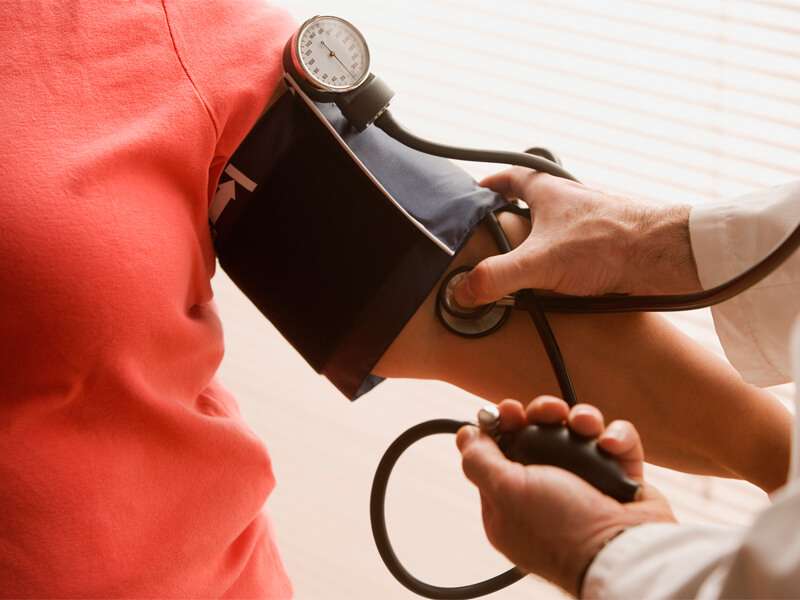
Acute respiratory infections encompass illnesses affecting the nose, throat, airways or lungs that develop rapidly. These are among the most frequent reasons for doctor visits across all ages.
- Typical symptoms include: Coughing, sore throat, nasal congestion, fever, and difficulty breathing in some cases.
- Diagnostic process: Physical examination combined with symptom history usually suffices; lab tests may be needed for severe cases.
- Treatment modalities: Mostly supportive care such as rest, hydration; antibiotics only if bacterial infection confirmed.
- Status during recovery: Most recover fully within one to two weeks though persistent or worsening symptoms require medical reevaluation.
Caring promptly for respiratory infections reduces spread and avoids complications like pneumonia especially among vulnerable individuals.
TYPE 2 DIABETES MELLITUS
This chronic condition affects how your body processes sugar (glucose), leading to higher blood sugar levels. Proper management is key to avoiding complications.
- Common symptoms: Increased thirst, frequent urination, fatigue, and blurred vision are often present.
- How it's diagnosed: Blood tests such as fasting glucose or HbA1c provide diagnosis confirmation.
- Treatment approaches: Include dietary regulation, physical activity, oral medications, and sometimes insulin therapy.
- What patients can expect: Regular follow-up visits help adjust treatments and maintain healthy glucose levels to prevent damage to organs like kidneys and eyes.
A proactive approach in managing diabetes promotes better quality of life and reduces the risk of serious health problems later on.
HYPERTENSION

High blood pressure is a common health issue that can silently affect your heart and arteries over time. Managing it early is vital to prevent serious complications.
- Symptoms and causes: Often called the "silent killer," it rarely shows noticeable symptoms but may arise due to genetics, lifestyle, or diet high in salt.
- Diagnosis: Blood pressure is measured using a cuff; readings consistently above 130/80 mmHg may indicate hypertension.
- Treatment options: Lifestyle changes like exercise, dietary modifications, and sometimes medication help in control.
- Management expectations: Regular monitoring and adherence to treatment reduce risks of stroke or heart disease substantially.
With consistent care, individuals can lead healthy lives while minimizing long-term health issues associated with high blood pressure.