
Dr Himanshu
About Me
Dr Himanshu
MBBS
General Physician
10 Years Experience
Biography
My Clinic
OPD Hours
| Monday | Morning | 10:00 AM | - | 02:00 PM |
| Evening | 06:00 PM | - | 09:00 PM | |
| Tuesday | Morning | 10:00 AM | - | 02:00 PM |
| Evening | 06:00 PM | - | 09:00 PM | |
| Wednesday | Morning | 10:00 AM | - | 02:00 PM |
| Evening | 06:00 PM | - | 09:00 PM | |
| Thursday | Morning | 10:00 AM | - | 02:00 PM |
| Evening | 06:00 PM | - | 09:00 PM | |
| Friday | Morning | 10:00 AM | - | 02:00 PM |
| Evening | 06:00 PM | - | 09:00 PM | |
| Saturday | Morning | 10:00 AM | - | 02:00 PM |
| Evening | 06:00 PM | - | 09:00 PM | |
| Sunday | Morning | 10:00 AM | - | 02:00 PM |
| Evening | 06:00 PM | - | 09:00 PM |
Treatments
Specialised care and treatments offered
OBESITY RISK ASSESSMENT AND LIFESTYLE INTERVENTION
A healthy weight contributes significantly to overall health. Addressing obesity through structured lifestyle adjustments decreases the chance of chronic diseases developing later on.
- Symptoms/Causes: Excessive body fat accumulation due to poor diet choices combined with minimal physical activity influenced by genetic factors.
- Diagnosis: Body mass index (BMI) calculations alongside waist circumference measurements assess obesity degree accurately.
- Treatment/Management: Tailored nutritional counseling coupled with gradual exercise planning forms the mainstay of effective weight reduction strategies. Medical intervention considered if necessary following specialist referral.
- What to Expect: Steady progress achievable leading towards improved energy levels, decreased joint strain plus lower likelihood of diabetes or cardiovascular diseases onset over time.
Through commitment to behavioral change supported by healthcare advice patients gain healthier lifestyles promoting longevity alongside enhanced quality of life.
THYROID DISORDER MONITORING

The thyroid gland influences many bodily functions through hormone production. Monitoring its disorders ensures balance is maintained for overall wellbeing.
- Symptoms/Causes: Fatigue, weight changes, mood shifts could indicate hypo- or hyperthyroidism caused by autoimmune diseases or iodine imbalance.
- Diagnosis: Blood tests measuring TSH and thyroid hormone levels provide definitive information about thyroid function status.
- Treatment/Management: Medication dosing tailored according to lab results; regular follow-up essential for adjusting therapy as needed;
ACUTE RESPIRATORY INFECTION CARE
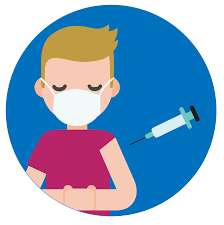
Caring for respiratory infections promptly helps reduce discomfort and prevent more serious illness. These infections are common but manageable with appropriate measures.
- Symptoms/Causes: Include cough, sore throat, nasal congestion; caused by viruses or bacteria spreading through droplets or contact.
- Diagnosis: Clinical evaluation based on symptoms; sometimes throat swabs or chest X-rays may be done if needed.
- Treatment/Management: Symptomatic relief using rest, hydration; antibiotics only if bacterial infection confirmed; avoiding irritants important too.
- What to Expect: Most infections resolve within one to two weeks with supportive care; seek help if symptoms worsen or breathing difficulties occur.
You can expect full recovery with timely care while minimizing transmission risk through good hygiene practices at home and work.
CHOLESTEROL AND LIPID REGULATION
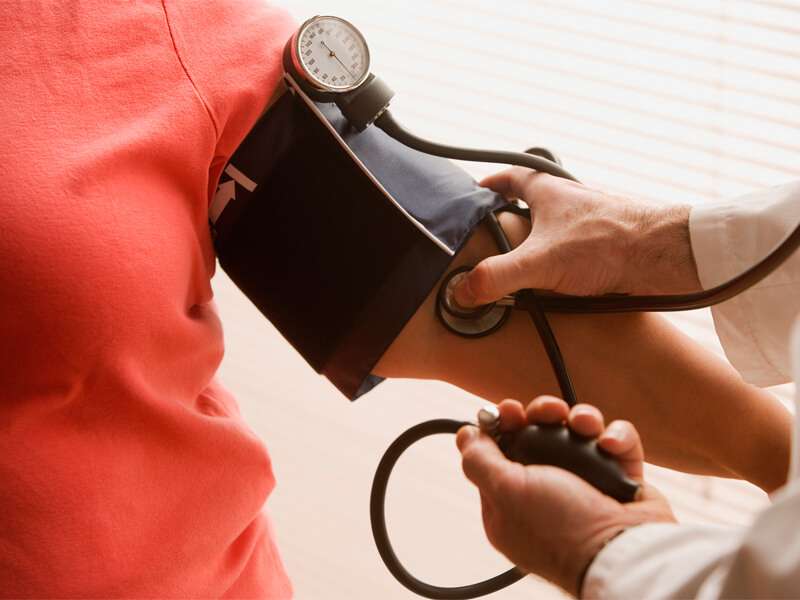
Lipid imbalances can lead to plaque buildup in arteries increasing cardiovascular risk. Managing cholesterol through lifestyle can improve long-term health outcomes significantly.
- Symptoms/Causes: Usually asymptomatic; caused by diet high in saturated fats, obesity, genetics, or inactivity.
- Diagnosis: Blood lipid profile tests measure total cholesterol, LDL, HDL, and triglycerides for assessment.
- Treatment/Management: Adopting a heart-healthy diet low in trans fats, regular physical activity; statins or other medications might be prescribed if needed.
- What to Expect: Consistent effort yields improvement in lipid numbers; reduces risks for stroke and heart attack over time.
A proactive approach in managing cholesterol supports vascular health and prevents future complications effectively.
TYPE 2 DIABETES COUNSELING AND CONTROL

Type 2 diabetes affects how your body processes sugar and requires careful management to avoid complications. Understanding this condition empowers better daily choices.
- Symptoms/Causes: Symptoms include increased thirst, frequent urination, fatigue; causes involve insulin resistance often linked to obesity and inactivity.
- Diagnosis: Blood tests measuring fasting glucose or HbA1c levels establish the diagnosis.
- Treatment/Management: Focus on balanced diet, physical activity, weight loss; medications or insulin therapy may also be necessary.
- What to Expect: Regular follow-ups monitor sugar control; early interventions reduce risk of kidney disease, vision issues, and nerve damage.
Lifestyle adjustments combined with medical treatment form the cornerstone of living well with type 2 diabetes.
HYPERTENSION MANAGEMENT
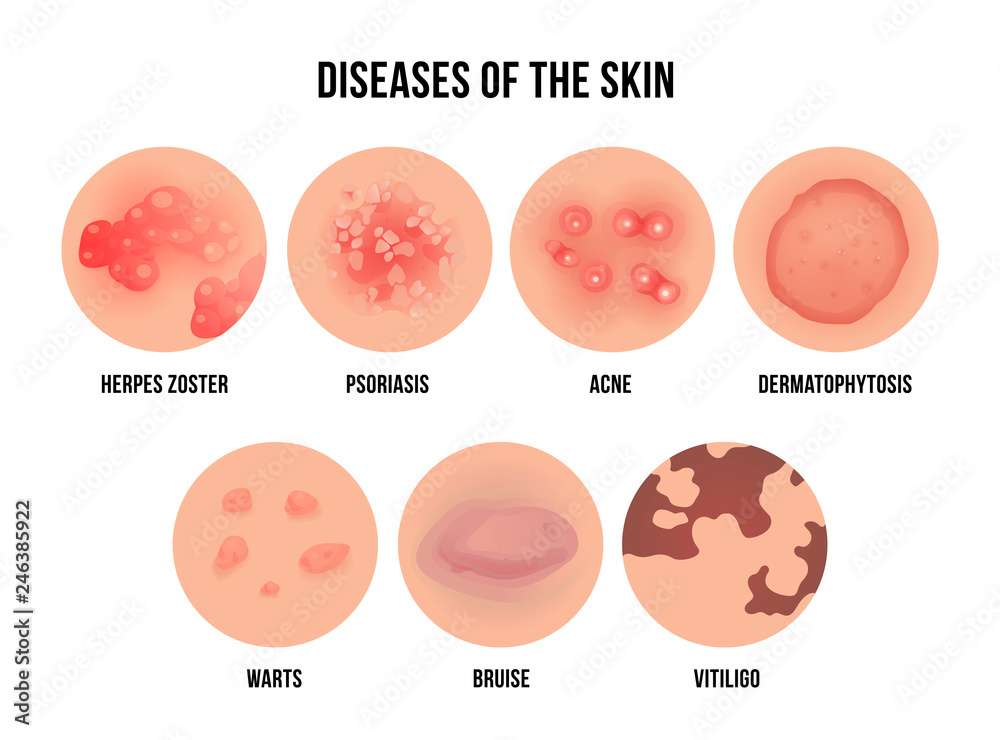
High blood pressure, or hypertension, is a common health issue that can silently impact your heart and vessels. Managing it effectively is key to preventing serious complications.
- Symptoms/Causes: Often called the 'silent killer,' many experience no symptoms. Causes include genetics, high salt intake, stress, and sedentary lifestyle.
- Diagnosis: Blood pressure measurements taken during multiple visits confirm diagnosis; sometimes ambulatory monitoring is used.
- Treatment/Management: Lifestyle changes like reduced salt, regular exercise, weight control combined with prescribed medications help manage levels.
- What to Expect: Ongoing monitoring and adherence to treatment plans are vital for controlling blood pressure and reducing risks.
With consistent care and attention to your lifestyle habits, hypertension can be effectively controlled to maintain your cardiovascular health.