
Dr Hema Jerajani
About Me
Dr Hema Jerajani
Dermatologist
Biography
My Clinic
OPD Hours
| Tuesday | Morning | 10:00 AM | - | 02:00 PM |
| Evening | 06:00 PM | - | 09:00 PM | |
| Wednesday | Morning | 10:00 AM | - | 02:00 PM |
| Evening | 06:00 PM | - | 09:00 PM | |
| Thursday | Morning | 10:00 AM | - | 02:00 PM |
| Evening | 06:00 PM | - | 09:00 PM | |
| Friday | Morning | 10:00 AM | - | 02:00 PM |
| Evening | 06:00 PM | - | 09:00 PM | |
| Saturday | Morning | 10:00 AM | - | 02:00 PM |
| Evening | 06:00 PM | - | 09:00 PM | |
| Sunday | Morning | 10:00 AM | - | 02:00 PM |
| Evening | 06:00 PM | - | 09:00 PM | |
| Thursday | Morning | 10:00 AM | - | 02:00 PM |
| Evening | 06:00 PM | - | 09:00 PM |
Treatments
Specialised care and treatments offered
SKIN CANCER SCREENING
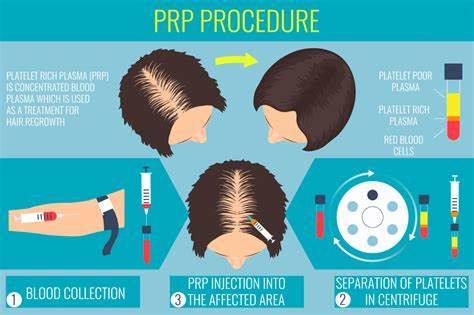
The early detection of skin cancer plays a critical role in successful treatment outcomes. Regular screenings help identify abnormalities in moles or growths before they progress into more serious conditions like melanoma. Understanding what signs warrant attention promotes proactive health measures!
- > Symptoms: > Existing moles changing size/color/shape warrant immediate evaluation by experts similarly new growths appearing should concern patients.; < br /> < liquidational normality
VITILIGO
A long-term skin condition that causes patches of skin to lose their pigment. Vitiligo occurs when melanocytes (the cells responsible for producing pigment) die or cease functioning. Its appearance can be distressing for those affected as it alters their natural complexion significantly over time
.- Symptoms: Loss of color in patches around body parts including face/hands could emerge at any age;
- Causes: Thought primarily autoimmune-related; genetics may play a role in susceptibility;
- Diagnosis: Identified upon visual inspection though occasionally biopsies confirm absence of melanocytes;
- Treatment Options: Potent topical steroids might promote pigment return meanwhile light therapy serves as an option;
- What to Expect: Potentially slow but positive response towards treatment approaches bolsters confidence effectively over time;
If you’re living with vitiligo—the right support networks alongside professional guidance enhance coping mechanisms significantly throughout your journey towards reclaiming your sense self!
ROSACEA
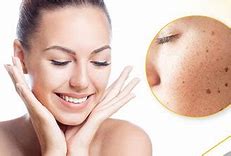
A chronic inflammatory skin condition typically affecting adults. Rosacea manifests as facial redness along with visible blood vessels; it may also present small red bumps resembling acne. Environmental triggers like sun exposure or hot drinks are notorious for exacerbating symptoms.
An individualized approach tailored by your dermatologist will help navigate this condition effectively while minimizing discomfort associated with flare-ups.
ACNE
A common skin disorder that affects many people at various stages of life. Acne occurs when hair follicles become clogged with oil and dead skin cells. While it primarily affects teenagers due to hormonal changes, adults can also experience it due to other factors such as stress or diet.
- Symptoms: Characterized by pimples, blackheads, whiteheads, cysts, or scars on the face and body.
- Causes: Factors include hormonal fluctuations, bacteria on the skin surface, and excess oil production.
- Diagnosis: Usually diagnosed via physical examination focusing on the type and distribution of lesions.
- Treatment Options: Topical retinoids, antibiotics, hormonal therapies or oral medications are commonly prescribed based on severity.
- What to Expect:The course of treatment varies; consistent management can prevent future breakouts while allowing existing acne to heal effectively.
PSORIASIS
This chronic autoimmune condition results in rapid skin cell production leading to thick, red patches covered with silvery scales. Psoriasis can range from mild to severe and may affect various parts of the body including the scalp and nails.
- Symptoms: Patches of red skin covered with thick silvery scales often accompanied by itching or burning sensations.
- Causes: Triggered by factors such as infections, stress, and certain medications.
- Diagnosis: Diagnosed through clinical examination; sometimes a biopsy is required for confirmation.
- Treatment Options: Treatments include topical treatments, phototherapy, and systemic medications depending on severity.
- What to Expect: While psoriasis is a lifelong condition, effective treatment can lead to significant symptom relief and improvements in appearance.
A comprehensive approach involving lifestyle changes along with medical interventions can help manage psoriasis effectively.
ECZEMA
Eczema, also known as atopic dermatitis, is a chronic skin condition characterized by inflamed, itchy patches. It often affects children but can persist into adulthood. The exact cause of eczema is not fully understood, but it's associated with a combination of genetic and environmental factors.
- Symptoms: Red, itchy patches on the skin that may become cracked or thickened.
- Causes: Common triggers include allergens, irritants, and stress.
- Diagnosis: Typically made through a physical examination and patient history.
- Treatment Options: Management often includes moisturizers, topical corticosteroids, and avoiding known irritants.
- What to Expect: Eczema management aims to control flare-ups and symptoms; some individuals may experience significant improvement over time.
While there's no cure for eczema, effective management strategies can greatly improve the quality of life for those affected.