
Dr Harsh Udawat
About Me
Dr Harsh Udawat
MBBS
General Physician
10 Years Experience
Biography
My Clinic
OPD Hours
| Monday | Morning | 10:00 AM | - | 02:00 PM |
| Evening | 06:00 PM | - | 09:00 PM | |
| Tuesday | Morning | 10:00 AM | - | 02:00 PM |
| Evening | 06:00 PM | - | 09:00 PM | |
| Wednesday | Morning | 10:00 AM | - | 02:00 PM |
| Evening | 06:00 PM | - | 09:00 PM | |
| Thursday | Morning | 10:00 AM | - | 02:00 PM |
| Evening | 06:00 PM | - | 09:00 PM | |
| Friday | Morning | 10:00 AM | - | 02:00 PM |
| Evening | 06:00 PM | - | 09:00 PM | |
| Saturday | Morning | 10:00 AM | - | 02:00 PM |
| Evening | 06:00 PM | - | 09:00 PM | |
| Sunday | Morning | 10:00 AM | - | 02:00 PM |
| Evening | 06:00 PM | - | 09:00 PM |
Treatments
Specialised care and treatments offered
SEASONAL ALLERGIES
This common affliction occurs due to exposure to airborne allergens leading to discomfort during specific seasons when pollen count rises. Knowing your triggers allows better management strategies!
#'Symptomatology' encompassing: Sneezing/itchy eyes coupled alongside nasal congestion alongside potential confusion emanating from inability breathe easily!!##Inflection points relate directly back down roots tracing back all way pollen-producing plants around town...#OSTEOARTHRITIS

Lifestyle factors like aging lead to osteoarthritis where joints degrade over time causing pain or stiffness especially common among older adults. A multifaceted treatment plan generally focuses on alleviating symptoms through various means!
'- ''
- '''Main Signs include: Morning stiffness usually resolving after some movement; reduced flexibility in affected joints like knees/hands! '
ASTHMA MANAGEMENT
Asthma is a chronic respiratory condition characterized by airway inflammation leading to breathing difficulties. Understanding triggers and effective management strategies can vastly improve quality of life for those affected by this condition.
- Main Symptoms: Shortness of breath, wheezing, coughing especially at night or during exercise are common signs asthma may be present.
HYPERLIPIDEMIA
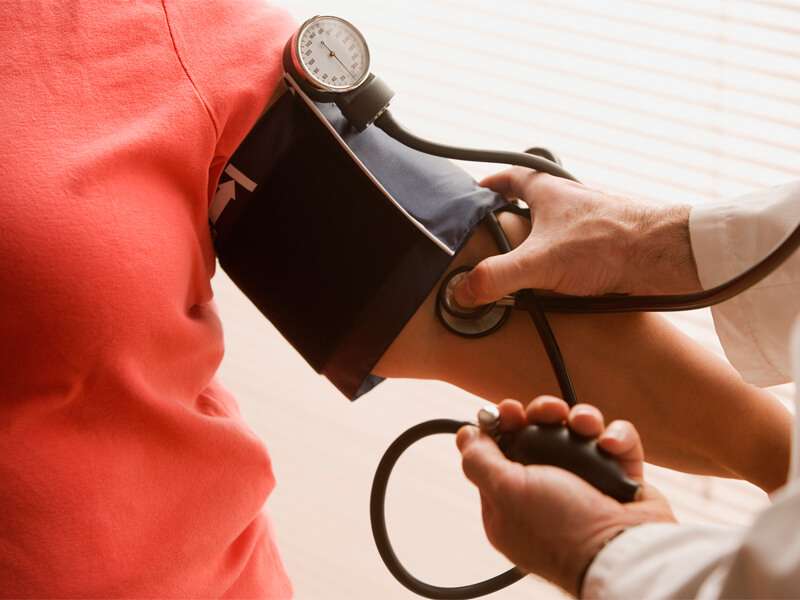
This condition involves elevated levels of lipids (fats) in the blood which can increase the risk of cardiovascular disease. Managing hyperlipidemia typically requires both lifestyle changes and medical intervention when necessary.
- Symptoms: Often asymptomatic; occasionally patients may experience chest pain or discomfort during exertion.
- Main Causes: Poor diet high in saturated fats, lack of exercise, obesity, and genetic factors contribute to hyperlipidemia.
- This is Diagnosed by: Blood tests measuring cholesterol levels provide insight into lipid profiles in individuals suspected of having the condition.
- Treatment Options: Lifestyle modifications including improved diet and exercise; statins or other lipid-lowering agents may be prescribed for higher risk patients.
An understanding of hyperlipidemia is crucial for prevention strategy against heart disease through ongoing management practices.
DIABETES MANAGEMENT
Diabetes is a chronic condition affecting how your body processes glucose. Its management requires a comprehensive approach focusing on lifestyle modifications and medication adherence when necessary.
- Symptoms: Increased thirst, frequent urination, extreme fatigue, and blurred vision may indicate diabetes.
- Causes: Genetics plays a role; however, obesity and sedentary lifestyle significantly contribute to Type 2 diabetes development.
- Diagnosis: Blood tests measuring glucose levels are critical in establishing a diagnosis of diabetes or prediabetes.
- Treatment: Treatment strategies often involve dietary changes, regular physical activity, and possibly insulin or oral medications depending on the type of diabetes.
- What to Expect: Monitoring blood sugar levels regularly is crucial for managing the condition effectively over time.
A dedicated approach to managing diabetes can significantly enhance quality of life for affected individuals.
HYPERTENSION
Hypertension, commonly known as high blood pressure, is a condition that can lead to serious health problems if not managed properly. It often goes unnoticed, earning it the title of a 'silent killer'. Regular monitoring is essential for effective management.
- Symptoms: Many people experience no symptoms, but headaches, shortness of breath, and nosebleeds can occur.
- Causes: Factors include genetics, poor diet, lack of physical activity, and excessive alcohol consumption.
- Diagnosis: Blood pressure readings taken at rest using a sphygmomanometer are the primary method of diagnosis.
- Treatment: Lifestyle changes such as diet and exercise are key; medications may be prescribed based on severity.
- Management: Regular check-ups help to monitor the condition and adjust treatments as necessary.
With appropriate care, individuals can lead a healthy life while managing hypertension effectively.