
Dr Harjeet Singh
About Me
Dr Harjeet Singh
MBBS
General Physician
10 Years Experience
Biography
My Clinic
OPD Hours
| Monday | Morning | 10:00 AM | - | 02:00 PM |
| Evening | 06:00 PM | - | 09:00 PM | |
| Tuesday | Morning | 10:00 AM | - | 02:00 PM |
| Evening | 06:00 PM | - | 09:00 PM | |
| Wednesday | Morning | 10:00 AM | - | 02:00 PM |
| Evening | 06:00 PM | - | 09:00 PM | |
| Thursday | Morning | 10:00 AM | - | 02:00 PM |
| Evening | 06:00 PM | - | 09:00 PM | |
| Friday | Morning | 10:00 AM | - | 02:00 PM |
| Evening | 06:00 PM | - | 09:00 PM | |
| Saturday | Morning | 10:00 AM | - | 02:00 PM |
| Evening | 06:00 PM | - | 09:00 PM | |
| Sunday | Morning | 10:00 AM | - | 02:00 PM |
| Evening | 06:00 PM | - | 09:00 PM |
Treatments
Specialised care and treatments offered
THYROID DISORDERS EVALUATION
The thyroid gland plays a vital role in regulating metabolism through hormone production. Disorders affecting thyroid function collectively impact overall health necessitating thorough evaluation for appropriate treatment options:
- Symptoms : Hypothyroidism manifests as fatigue weight gain cold intolerance; conversely hyperthyroidism presents with anxiety weight loss heat intolerance among others.
- Diagnosis : Hormonal evaluations via blood tests measuring TSH free T4 T3 levels guide diagnosis alongside patient symptom reviews.
- Treatment methods : Depending on diagnosis treatment could range from hormone replacement therapies for hypothyroidism anti-thyroid medications radioactive iodine therapy surgical interventions targeting nodules/cancerous growths when indicated.
Timely detection enables proper management improving both individual well-being productivity throughout life.
ALLERGY TESTING

An allergy occurs when the immune system reacts abnormally to certain substances called allergens. Comprehensive allergy testing helps identify triggers so that appropriate management plans can be established.
- Symptoms : Allergies may present with sneezing, itching eyes/nose, skin rashes, hives or even more severe reactions like anaphylaxis depending on the allergen involved.
- Diagnosis : Allergy testing can involve skin prick tests where small amounts of allergens are introduced into the skin surface or blood tests measuring specific IgE antibodies.
- Treatment options : Strategies include avoidance of known allergens; antihistamines help alleviate mild symptoms while epinephrine auto-injectors are crucial during severe allergic reactions.
Proper allergy identification allows individuals to manage their conditions effectively while minimizing exposure risks.
HYPERLIPIDEMIA MANAGEMENT

Hyperlipidemia refers to elevated levels of lipids (fats), including cholesterol and triglycerides in the blood. It's a significant risk factor for cardiovascular diseases if not addressed timely.
- Causes: Factors contributing include poor diet high in saturated fats, sedentary lifestyle, genetics, and conditions such as diabetes or hypothyroidism.
- Diagnosis: Routine blood tests measure lipid levels. A complete lipid panel provides insight into cholesterol types: LDL (bad) and HDL (good).
- Treatment strategies: Lifestyle modifications such as dietary changes rich in fruits and vegetables along with physical activity are recommended initially. Statins or other lipid-lowering medications may be prescribed when necessary.
Addressing hyperlipidemia proactively can lower the risk of heart disease significantly over time.
ASTHMA MANAGEMENT
Asthma is a chronic respiratory condition that causes recurrent breathing difficulties due to inflammation of the airways. Effective management is critical in controlling symptoms and preventing exacerbations.
- Causes: It may be triggered by allergens, smoke, pollution, or respiratory infections. Genetics also play a role in susceptibility.
- Symptoms: Patients may experience wheezing, coughing, chest tightness, and shortness of breath during an asthma attack.
- Diagnosis: Diagnosis typically involves lung function tests such as spirometry along with patient history assessment.
- Treatment options: Managing asthma includes avoiding triggers and using medications like inhalers (bronchodilators) or corticosteroids for control of inflammation.
A comprehensive asthma management plan can significantly enhance breathing capacity and overall quality of life for sufferers.
DIABETES MANAGEMENT

Diabetes is a metabolic disorder characterized by high blood sugar levels due to the body's inability to produce or respond effectively to insulin. It requires proactive management to prevent complications.
- Symptoms: Common indicators include increased thirst, frequent urination, extreme fatigue, and blurred vision.
- Diagnosis: Blood tests measuring glucose levels are typically used; HbA1c testing can assess long-term control.
- Treatment: Treatment involves lifestyle modifications like dietary changes and physical activity. Medications or insulin therapy may also be necessary depending on the type of diabetes.
- Complications: Without effective management, diabetes can lead to serious issues such as heart disease, kidney damage, and neuropathy.
A personalized approach to diabetes care facilitates better health outcomes and improves quality of life for patients.
HYPERTENSION MANAGEMENT
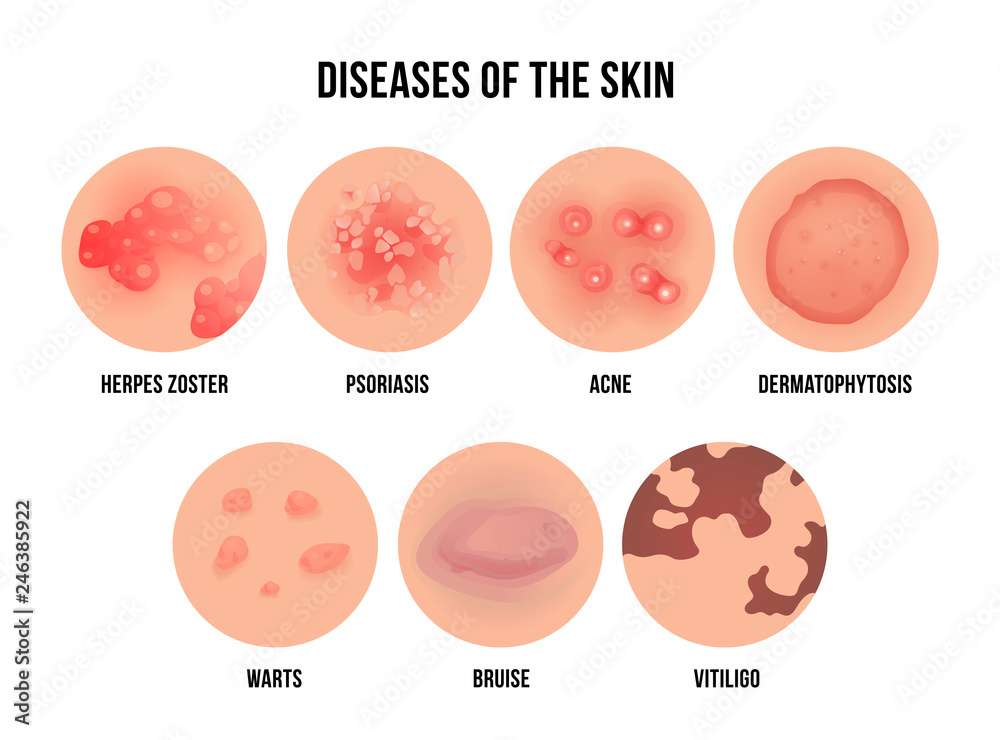
Hypertension, commonly known as high blood pressure, is a chronic condition that can lead to severe health issues if not properly managed. It often presents with no symptoms, which is why regular screening is crucial.
- Symptoms: Many individuals do not experience symptoms, but some may notice headache, shortness of breath, or nosebleeds.
- Diagnosis: A healthcare provider will measure blood pressure using a sphygmomanometer and may recommend additional tests such as blood tests or an ECG.
- Treatment: Management options include lifestyle changes like diet and exercise, as well as medications such as diuretics or ACE inhibitors.
- Monitoring: Regular follow-up visits are necessary to monitor blood pressure levels and adjust treatments accordingly.
Early detection and adherence to treatment plans are essential for managing hypertension effectively.