
Dr Hardik Dave
About Me
Dr Hardik Dave
Dermatologist
Biography
My Clinic
OPD Hours
| Tuesday | Morning | 10:00 AM | - | 02:00 PM |
| Evening | 06:00 PM | - | 09:00 PM | |
| Wednesday | Morning | 10:00 AM | - | 02:00 PM |
| Evening | 06:00 PM | - | 09:00 PM | |
| Thursday | Morning | 10:00 AM | - | 02:00 PM |
| Evening | 06:00 PM | - | 09:00 PM | |
| Friday | Morning | 10:00 AM | - | 02:00 PM |
| Evening | 06:00 PM | - | 09:00 PM | |
| Saturday | Morning | 10:00 AM | - | 02:00 PM |
| Evening | 06:00 PM | - | 09:00 PM | |
| Sunday | Morning | 10:00 AM | - | 02:00 PM |
| Evening | 06:00 PM | - | 09:00 PM | |
| Thursday | Morning | 10:00 AM | - | 02:00 PM |
| Evening | 06:00 PM | - | 09:00 PM |
Treatments
Specialised care and treatments offered
SKIN CANCER SCREENING
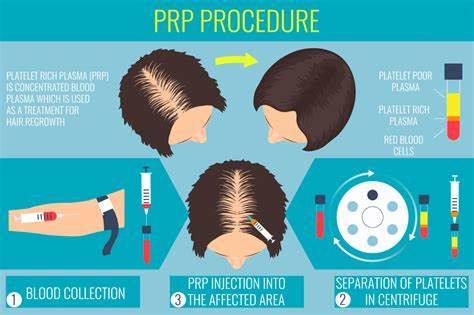
Early detection plays a pivotal role in improving outcomes for patients dealing with skin cancer. Regular screenings allow dermatologists to identify suspicious moles before they become malignant lesions needing extensive intervention procedures later down line!
- A strong emphasis should focus identifying possible suspicious lesions, evaluating irregularly shaped moles differing colors size variations compared surrounding tissues perhaps leading further investigation via biopsy confirming diagnoses accurately!
SEBORRHEIC DERMATITIS
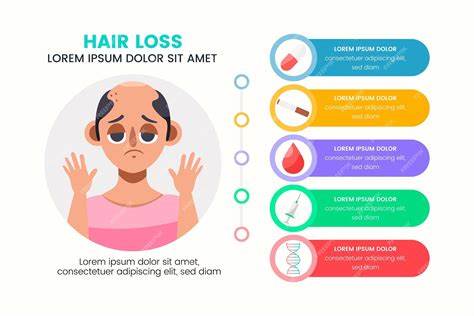
This common form of eczema leads to scaly patches on oily areas such as the scalp (also known as dandruff), face neck folds & behind ears. It tends to occur in those with oily skin types or underlying health conditions affecting fat production in-body systems making them prone this type dermatitis!
- Main symptoms, such itchiness & redness accompanied by flaky scales can vary from mild dryness minimally impacting lifestyle capabilities - but without appropriate care can escalate causing significant discomfort!
- A qualified diagnosis frequently revolves around clinical evaluation complemented by patient discussion detailing onset frequency severity targeting targeted management approaches proactively!
MELASMA
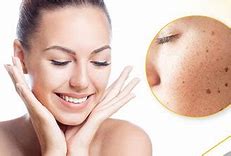
Melasma is characterized by brown or gray-brown patches on sun-exposed areas of the face. It occurs most frequently among women during their reproductive years but can affect anyone regardless of age or gender due to various factors including genetic predisposition and sun exposure.
- The main symptoms are discolored patches commonly seen on the cheeks, forehead, nose, chin; these spots develop gradually over time after significant sun exposure.
- A diagnosis typically involves a physical examination along with discussions about skincare routines and sun exposure habits.
- Treatment options include topical lightening agents like hydroquinone as well as chemical peels or laser therapy for more persistent cases while emphasizing sun protection measures are vital for prevention against recurrence.
This condition requires ongoing management focusing on both treatment adherence as well as preventive strategies against future appearances!
ACNE
Acne is one of the most common skin conditions affecting people of all ages. Characterized by pimples, blackheads, and cysts, it primarily results from clogged hair follicles due to excess oil production and dead skin cells.
- The primary symptoms include various types of blemishes such as whiteheads or blackheads appearing predominantly on facial areas but also on shoulders or back.
- An accurate diagnosis is usually made based on visual examination; hormonal factors may also be assessed if acne persists.
- Treatment methods range from topical retinoids to oral antibiotics for inflammatory acne; lifestyle modifications can have positive effects as well.
- Your dermatologist will provide personalized advice tailored towards your unique situation to help manage flare-ups effectively.
The goal of treatment is not only cosmetic improvement but also enhancing self-esteem by addressing psychological impacts associated with acne.
ECZEMA
Eczema is a term used to describe various conditions that cause inflammation, irritation, and redness of the skin. Often starting in childhood, it can persist into adulthood or recur over time.
- Common symptoms include dry patches of skin that may be itchy or inflamed, which can lead to scratching and further irritation.
- The diagnosis generally involves reviewing medical history along with an assessment of symptoms by a dermatologist.
- Treatment includes moisturizers to keep the skin hydrated, anti-itch creams, and medications for more severe cases to control flare-ups.
- Avoiding known triggers such as certain soaps or fabrics is crucial in management strategies.
A comprehensive treatment plan aims at minimizing flare-ups while promoting healthy skin hygiene practices.
PSORIASIS
Psoriasis is a chronic skin condition that speeds up the life cycle of skin cells, leading to an accumulation of cells on the surface of the skin. This results in scaling and inflammation, which can be uncomfortable and affect quality of life.
- Symptoms often include red patches covered with thick, silvery scales, dry and cracked skin that may bleed, and itching or burning sensations.
- This condition is typically diagnosed through a physical examination and patient history, although a skin biopsy may be performed in uncertain cases.
- Treatment options range from topical treatments like corticosteroids to systemic medications and phototherapy depending on severity.
- Regular follow-up is essential as psoriasis can have flares and remission phases.
Management focuses on controlling symptoms, improving appearance, and enhancing the overall quality of life for those affected.