
Dr Habib Ahmad Kh
About Me
Dr Habib Ahmad Kh
MBBS
General Physician
10 Years Experience
Biography
My Clinic
OPD Hours
| Monday | Morning | 10:00 AM | - | 02:00 PM |
| Evening | 06:00 PM | - | 09:00 PM | |
| Tuesday | Morning | 10:00 AM | - | 02:00 PM |
| Evening | 06:00 PM | - | 09:00 PM | |
| Wednesday | Morning | 10:00 AM | - | 02:00 PM |
| Evening | 06:00 PM | - | 09:00 PM | |
| Thursday | Morning | 10:00 AM | - | 02:00 PM |
| Evening | 06:00 PM | - | 09:00 PM | |
| Friday | Morning | 10:00 AM | - | 02:00 PM |
| Evening | 06:00 PM | - | 09:00 PM | |
| Saturday | Morning | 10:00 AM | - | 02:00 PM |
| Evening | 06:00 PM | - | 09:00 PM | |
| Sunday | Morning | 10:00 AM | - | 02:00 PM |
| Evening | 06:00 PM | - | 09:00 PM |
Treatments
Specialised care and treatments offered
ROUTINE HEALTH CHECK-UPS
A comprehensive health check-up helps identify potential health risks before symptoms develop. Regular assessments allow personalized care plans aiming at disease prevention across all age groups>.
MANAGEMENT OF GASTROESOPHAGEAL REFLUX DISEASE (GERD)

The backward flow of stomach acid into the esophagus causes discomfort known as gastroesophageal reflux disease. Understanding this condition aids patients in controlling symptoms effectively with lifestyle adjustments as well as medications if needed.
- Main features & triggers: Heartburn sensation after meals or when lying down; triggered by fatty foods, smoking, obesity among others.
- This condition’s diagnosis includes: Clinical evaluation supplemented by investigations like endoscopy if alarm symptoms are present to rule out complications.
- Treatment modalities encompass: Dietary modification avoiding triggers, weight loss efforts combined with acid-suppressing drugs such as proton pump inhibitors when necessary.
- Lifestyle advice & prognosis: Avoiding late-night meals improves outcomes significantly; most patients experience symptom relief within weeks of starting therapy though chronic cases require maintenance treatment.
Lifestyle changes coupled with appropriate medical care provide effective symptom control enhancing daily comfort for those affected by GERD.
SCREENING FOR ANEMIA

Anemia occurs when there is a decrease in red blood cells or hemoglobin affecting oxygen delivery throughout the body. Early detection through screening allows prompt treatment preventing fatigue and poor concentration impacts.
- Causative factors & symptoms: Nutritional deficiencies (iron, B12), chronic diseases; symptoms include weakness, pallor, shortness of breath on exertion.
- How diagnosis is made: Complete blood count (CBC) test measures hemoglobin levels to confirm anemia presence and type.
- Treatment options available: Depends on cause: iron supplements for deficiency anemia or managing underlying conditions in chronic disease anemia cases.
- Your outlook with treatment: With proper therapy most patients see improvement in energy levels within weeks; ongoing follow-up ensures resolution or identifies persistent issues.
Anemia screening is important in routine health checkups to maintain optimal body function and prevent related complications early on.
ACUTE UPPER RESPIRATORY TRACT INFECTION (URTI) TREATMENT
The common cold and other upper respiratory infections affect the nose, throat, and airways. Despite being usually mild, they can cause discomfort requiring supportive care for symptom relief.
- Main symptoms & causes: Sneezing, sore throat, congestion primarily caused by viral infections like rhinoviruses.
- Diagnosis methods: Primarily clinical evaluation based on symptoms; lab tests rarely required unless severe or complicated cases arise.
- Treatment approaches: Symptom management using rest, fluids, antipyretics; antibiotics generally not recommended for viral infections.
- Recovery expectations: Most patients recover within one to two weeks without intervention but should monitor for worsening signs like high fever or breathing difficulty.
Mild URTIs are typically self-limited but timely supportive care helps improve comfort during the illness course.
TYPE 2 DIABETES MELLITUS CARE

Type 2 diabetes is a chronic condition characterized by elevated blood sugar levels due to insulin resistance. Proper understanding and management are key to preventing serious complications.
- Symptoms and causes: Increased thirst, frequent urination, fatigue; risk factors include obesity, sedentary lifestyle, and family history.
- Diagnostic process: Blood tests such as fasting glucose and HbA1c levels determine presence and severity.
- Treatment strategies: Focus on blood sugar control through diet modifications, physical activity, oral medications, or insulin therapy if needed.
- Patient expectations: Requires regular monitoring of glucose levels and periodic medical evaluations to adjust treatment plans appropriately.
A proactive approach in managing type 2 diabetes greatly improves quality of life and minimizes complications like neuropathy or vision problems.
HYPERTENSION MANAGEMENT
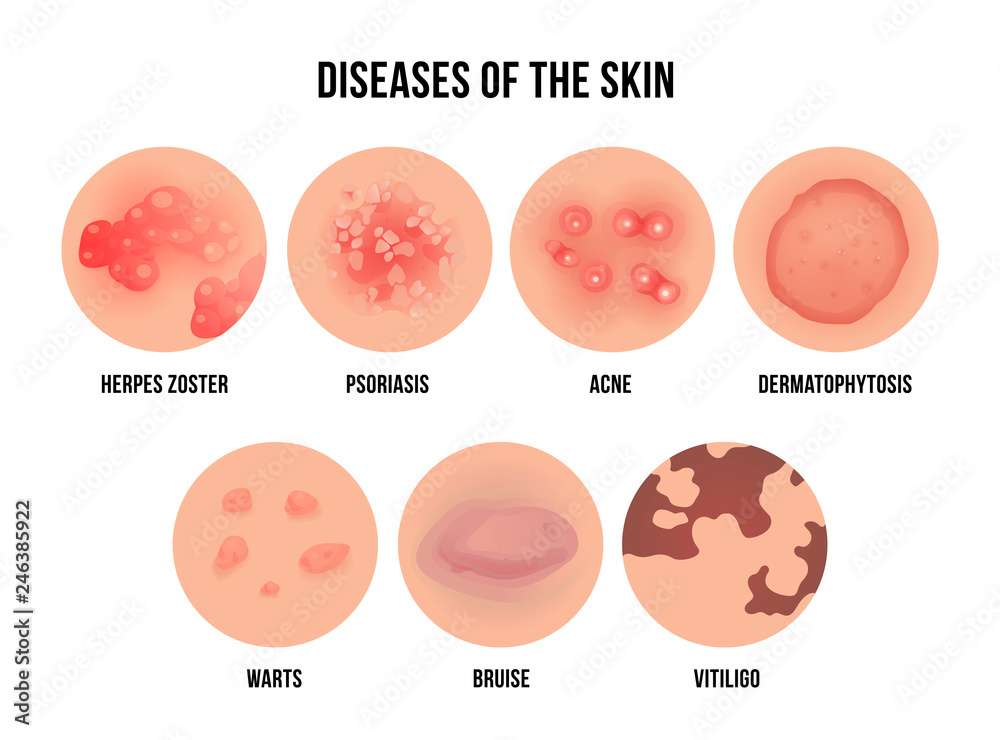
High blood pressure or hypertension is a common health condition that increases the risk of heart disease and stroke. It often presents without obvious symptoms but requires careful monitoring and management to prevent complications.
- Symptoms and causes: Often asymptomatic but can include headaches or dizziness; caused by genetics, lifestyle factors, and other medical conditions.
- Diagnosis: Regular blood pressure checks using a sphygmomanometer; averages over multiple readings confirm diagnosis.
- Treatment options: Lifestyle changes such as diet and exercise; medications including ACE inhibitors or beta-blockers as prescribed.
- What to expect: Ongoing monitoring is essential; adherence to treatment reduces risks of heart attack or kidney damage.
Managing hypertension effectively can lead to a healthier life and reduce long-term health risks significantly.