
Dr Gyanendra Sach
About Me
Dr Gyanendra Sach
MBBS
General Physician
10 Years Experience
Biography
My Clinic
OPD Hours
| Monday | Morning | 10:00 AM | - | 02:00 PM |
| Evening | 06:00 PM | - | 09:00 PM | |
| Tuesday | Morning | 10:00 AM | - | 02:00 PM |
| Evening | 06:00 PM | - | 09:00 PM | |
| Wednesday | Morning | 10:00 AM | - | 02:00 PM |
| Evening | 06:00 PM | - | 09:00 PM | |
| Thursday | Morning | 10:00 AM | - | 02:00 PM |
| Evening | 06:00 PM | - | 09:00 PM | |
| Friday | Morning | 10:00 AM | - | 02:00 PM |
| Evening | 06:00 PM | - | 09:00 PM | |
| Saturday | Morning | 10:00 AM | - | 02:00 PM |
| Evening | 06:00 PM | - | 09:00 PM | |
| Sunday | Morning | 10:00 AM | - | 02:00 PM |
| Evening | 06:00 PM | - | 09:00 PM |
Treatments
Specialised care and treatments offered
THYROID DISORDER EVALUATION
The thyroid gland plays a vital role in metabolic regulation through hormone secretion. Disorders range from underactive (hypothyroidism) to overactive (hyperthyroidism), each requiring specific diagnosis and treatment plans.
GASTROENTERITIS TREATMENT

This condition involves inflammation of the stomach and intestines leading to symptoms like diarrhea and vomiting. Effective management targets hydration status alongside symptom relief.
- Typical causes : Viral infections are most common but bacterial contamination or parasitic infestations can also trigger gastroenteritis .
- Symptomatology : Abdominal cramps , nausea , watery stools often accompanied by fever .
- Diagnostic approach : Primarily clinical ; stool samples tested if severe or prolonged |
- Therapy focuses : Oral rehydration solutions , dietary adjustments avoiding irritants , sometimes antibiotic use when bacterial etiology established .
Prompt attention prevents dehydration , especially critical in young children and elderly patients , thereby reducing hospitalization risk .
PEDIATRIC GROWTH MONITORING

The growth pattern of children serves as an important marker of their overall health. Regular evaluation ensures timely detection of any developmental concerns requiring intervention.
- Main aspects assessed: Height, weight percentiles compared against age-specific standards highlight any deviations from normal growth trajectories.
- Pertinent causes for growth issues: Nutritional deficiencies, chronic illnesses or hormonal imbalances among key factors affecting development rates.
- Description of procedures used:- Physical examination complemented by detailed medical history helps identify underlying problems early on; - Laboratory investigations may be ordered if indicated;
A focus on preventive care supports healthy childhood maturation facilitating optimal physical and cognitive development through adolescence into adulthood
ACUTE RESPIRATORY INFECTIONS
Infections of the respiratory tract are frequent ailments affecting people of all ages. Prompt recognition and care can reduce discomfort and avoid complications.
- Common causes: Viruses such as influenza or bacteria causing symptoms like cough, sore throat, runny nose.
- Diagnosis process: Mostly clinical evaluation supported by history; sometimes lab tests if bacterial infection suspected.
- Treatment strategies: Symptomatic relief with fluids, rest; antibiotics reserved for confirmed bacterial cases only.
- Avoidance of complications: Monitoring symptoms closely helps detect progression toward pneumonia or bronchitis early on.
Caring for respiratory infections includes supportive measures that allow the immune system to fight off illness efficiently while minimizing transmission risk to others.
TYPE 2 DIABETES CARE

Type 2 diabetes is a chronic condition affecting the way your body processes glucose. Proper care aims to manage blood sugar levels and prevent long-term health issues.
- Causes and risk factors: Insulin resistance caused by genetic predisposition, obesity, sedentary lifestyle, or poor diet.
- Symptoms: Increased thirst, frequent urination, fatigue, slow-healing wounds.
- Diagnostic methods: Blood tests including fasting glucose and HbA1c levels confirm diagnosis.
- Treatment approach: Combines dietary adjustments, physical activity, oral medications, and sometimes insulin therapy based on individual need.
Lifelong management involves regular medical checkups and lifestyle modifications to maintain balanced glucose levels and overall well-being.
HYPERTENSION MANAGEMENT
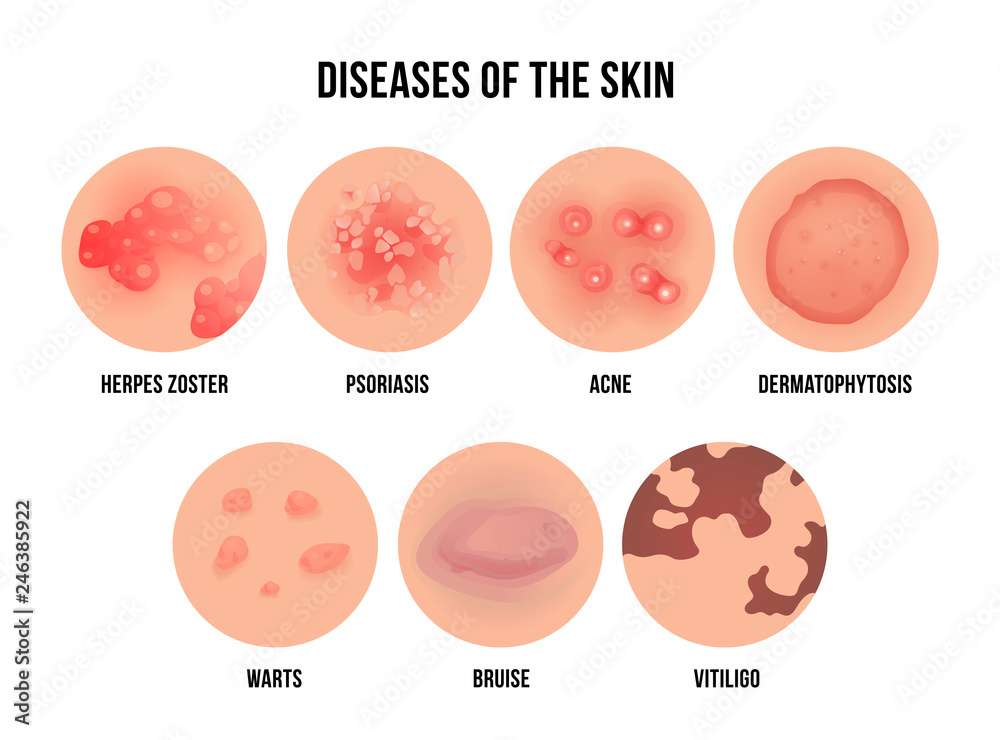
High blood pressure, or hypertension, is a common condition where the force of blood against artery walls is consistently too high. Managing it effectively is crucial to prevent serious complications such as heart disease and stroke.
- Symptoms and causes: Often called the "silent killer," hypertension may not show obvious symptoms but can result from factors like genetics, diet, stress, or obesity.
- Diagnosis: It’s diagnosed through repeated blood pressure measurements over time during medical visits.
- Treatment options: Lifestyle changes including diet and exercise, along with prescribed medications to control pressure levels.
- Ongoing management: Regular monitoring and adherence to treatment plans help reduce risks associated with uncontrolled hypertension.
Understanding and managing blood pressure properly allows most individuals to live healthy lives without complications stemming from this condition.