
Dr Gundu Kawale
About Me
Dr Gundu Kawale
DM
Nephrologist
10 Years Experience
Biography
My Clinic
OPD Hours
| Monday | Morning | 10:00 AM | - | 02:00 PM |
| Evening | 06:00 PM | - | 09:00 PM | |
| Tuesday | Morning | 10:00 AM | - | 02:00 PM |
| Evening | 06:00 PM | - | 09:00 PM | |
| Wednesday | Morning | 10:00 AM | - | 02:00 PM |
| Evening | 06:00 PM | - | 09:00 PM | |
| Thursday | Morning | 10:00 AM | - | 02:00 PM |
| Evening | 06:00 PM | - | 09:00 PM | |
| Friday | Morning | 10:00 AM | - | 02:00 PM |
| Evening | 06:00 PM | - | 09:00 PM | |
| Saturday | Morning | 10:00 AM | - | 02:00 PM |
| Evening | 06:00 PM | - | 09:00 PM | |
| Sunday | Morning | 10:00 AM | - | 02:00 PM |
| Evening | 06:00 PM | - | 09:00 PM |
Treatments
Specialised care and treatments offered
MANAGEMENT OF CHRONIC KIDNEY DISEASE (CKD)
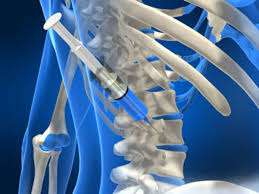
The management of chronic kidney disease (CKD) focuses on slowing its progression while addressing risk factors contributing toward deterioration outlined through structured care plans formulated collaboratively between nephrology professionals alongside healthcare teams engaged holistically assessing individual patient circumstances meticulously adhering best practices yielded through evidence-based approaches specifically tailored respective needs & comprehension levels principles applied during consultations provided ample opportunity educate families empowerment participation regarding lifestyle interventions examined viability shifted focus enhancing nutritional intakes optimizing physical activity encouraging maintaining routine monitoring compliant toward prescribed medications cumulatively wrought benefits achieved extended longevity encompassing stable day-to-day operations reflecting overall happiness experienced greatly enhancing lives enduringly fostering healthful existences nurtured connectivity promoting wellness extending beyond remediation regimens established jointly foster friendly environments imperative retain support systems construction capable sustaining enduring resilience thriving aspirations over months ahead critical journeys persevering once faced daunting scenarios initial diagnoses delivering hope pivotal engagement also sustains positivity triumphantly viewed positively!
RENAL BIOPSY

A renal biopsy is an essential diagnostic tool employed by nephrologists to obtain kidney tissue samples. This helps identify specific renal pathologies such as glomerulonephritis or interstitial nephritis by providing vital information about inflammation or damage present within the kidneys
LITHOTRIPSY

Lithotripsy is a non-invasive procedure utilized primarily to treat kidney stones by breaking them into smaller fragments using shock waves. This allows patients to pass these pieces naturally during urination without requiring invasive surgery.
- Kidney stones may cause severe pain, hematuria (blood in urine), or urinary obstruction—a condition that necessitates prompt treatment intervention such as lithotripsy.
- The diagnosis typically relies on imaging methods like ultrasound or CT scans for accurate stone location identification and assessment of size prior to treatment planning.
- Treatment involves positioning the patient correctly while administering shock waves aimed specifically at the stone; sedation may also be used based on clinical discretion.'
- Post-procedure instructions usually involve hydration recommendations so patients can flush out any remaining stone fragments easily while managing discomfort from the procedure itself with pain medication as needed.
Lithotripsy has proven effective in promoting quick recovery times while minimizing hospitalization needs due to its outpatient nature regarding stone management protocols needed thereafter!
PERITONEAL DIALYSIS

Peritoneal dialysis is an alternative treatment method that utilizes the patient's peritoneum as a natural filter to cleanse their blood. It allows more freedom in daily activities while providing effective management of renal failure through fluid exchanges within the abdominal cavity.
- This method is indicated when traditional hemodialysis is not suitable due to vascular access issues or patient preference.
- Disease progression monitoring involves regular testing of serum creatinine levels and periodic assessments by a nephrologist.
- The exchange process involves inserting dialysate into the abdomen via a catheter; this fluid absorbs waste products before being drained out after a set dwelling time.
- Patients usually find they have more flexibility with their schedules as treatments can be performed at home without needing frequent hospital visits.
Peritoneal dialysis presents an autonomy-focused approach for managing chronic kidney disease effectively.
KIDNEY TRANSPLANTATION

Kidney transplantation is a surgical procedure that replaces a diseased or failing kidney with a healthy one from a donor. This life-changing treatment option offers patients a chance at improved health and an enhanced quality of life compared to long-term dialysis.
- Common indications for transplantation include end-stage renal disease and significant loss of kidney function established through medical evaluations.
- A thorough evaluation process ensures that candidates are suitable for surgery and includes physical exams, lab work, and psychological assessments.
- Post-surgery management includes immunosuppressive medications to prevent organ rejection and regular follow-ups with healthcare providers.
- The success rates for transplants often lead patients to experience increased energy levels, less dietary restriction, and reduced hospital visits compared to dialysis therapy.
This procedure can be the most effective solution for individuals looking for long-term relief from kidney dysfunction symptoms.
HEMODIALYSIS

Hemodialysis is a medical procedure used to filter waste and excess fluids from the blood when the kidneys are no longer able to perform these functions adequately. This therapy is essential for individuals suffering from kidney failure, helping to maintain proper body chemistry and remove toxic substances.
- Symptoms of kidney failure may include fatigue, swelling in the legs, changes in urination, and high blood pressure.
- The diagnosis typically involves blood tests to measure waste products and imaging studies for kidney assessment.
- Treatment often requires regular sessions at a dialysis center or home-based options with the help of a healthcare team.
- Patients can expect to feel better post-treatment but may need to make lifestyle adjustments and follow dietary restrictions.
Overall, hemodialysis can significantly improve the quality of life for those with compromised kidney function.