
Dr GSDGrover
About Me
Dr GSDGrover
MBBS
General Physician
10 Years Experience
Biography
My Clinic
OPD Hours
| Monday | Morning | 10:00 AM | - | 02:00 PM |
| Evening | 06:00 PM | - | 09:00 PM | |
| Tuesday | Morning | 10:00 AM | - | 02:00 PM |
| Evening | 06:00 PM | - | 09:00 PM | |
| Wednesday | Morning | 10:00 AM | - | 02:00 PM |
| Evening | 06:00 PM | - | 09:00 PM | |
| Thursday | Morning | 10:00 AM | - | 02:00 PM |
| Evening | 06:00 PM | - | 09:00 PM | |
| Friday | Morning | 10:00 AM | - | 02:00 PM |
| Evening | 06:00 PM | - | 09:00 PM | |
| Saturday | Morning | 10:00 AM | - | 02:00 PM |
| Evening | 06:00 PM | - | 09:00 PM | |
| Sunday | Morning | 10:00 AM | - | 02:00 PM |
| Evening | 06:00 PM | - | 09:00 PM |
Treatments
Specialised care and treatments offered
ELECTROCARDIOGRAM (ECG) TESTING
An Electrocardiogram records electrical signals produced by the heart muscle during each heartbeat. This non-invasive procedure aids in detecting cardiac irregularities promptly before they escalate into severe problems.
THYROID FUNCTION TESTS

ROUTINE COMPLETE BLOOD COUNT (CBC)
A Complete Blood Count test is one of the most commonly ordered laboratory investigations evaluating overall health status. It provides detailed information about different components of the blood.
- Purpose: Identify infections, anemia types, clotting disorders or detect underlying medical conditions early on.
- Parameters measured:: Red blood cells (RBC), white blood cells (WBC), hemoglobin levels, hematocrit percentage, platelet count among others are analyzed carefully.
- How it's done:: A simple blood sample drawn from a vein is processed using automated analyzers for quick results interpretation.
- T clinical significance: Results guide further diagnostic work-ups or treatment decisions depending on abnormalities found during evaluation.
This painless test serves as an essential tool for general health check-ups as well as targeted disease diagnosis facilitating timely medical interventions when needed.
CHRONIC OBSTRUCTIVE PULMONARY DISEASE (COPD) SCREENING
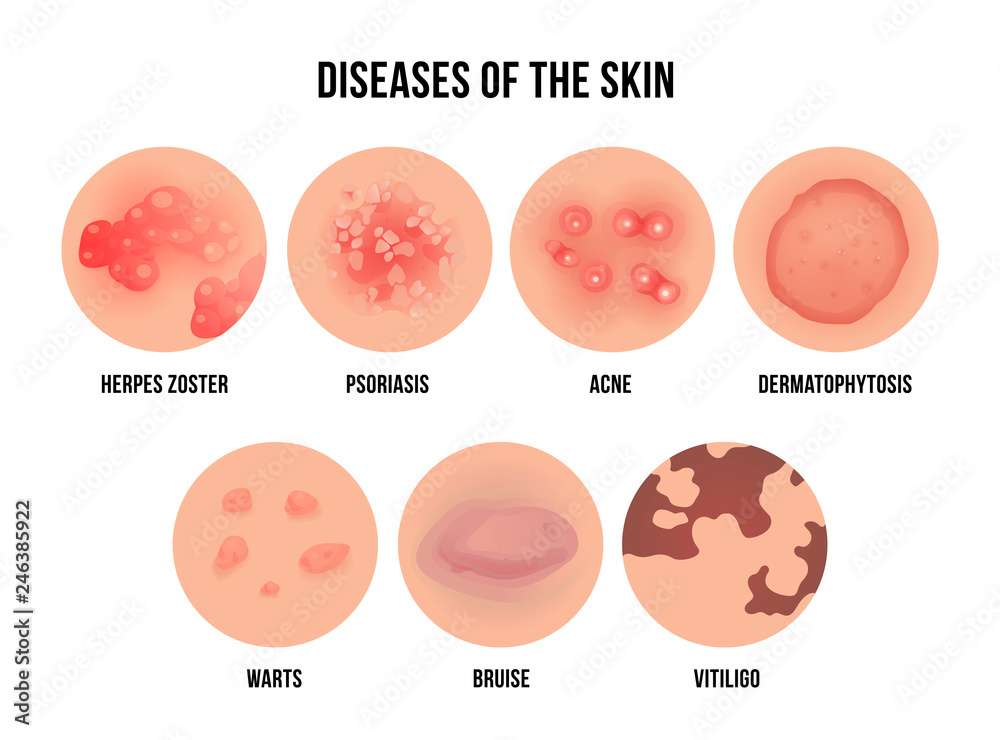
COPD is a progressive lung disease that causes breathing difficulties by obstructing airflow from the lungs. Early recognition through screening is key in managing symptoms effectively.
- Causative factors: Long-term exposure to tobacco smoke, environmental pollutants, or occupational dust increases risk significantly.
- Screening procedures: Spirometry testing measures lung function; chest X-rays assist in identifying lung abnormalities.
- Treatment options: Smoking cessation support, inhaled bronchodilators, corticosteroids, pulmonary rehabilitation programs aid symptom relief.
- Disease monitoring: Ongoing evaluation includes symptom tracking and periodic lung function assessments to tailor therapy accordingly.
The progression of COPD can be slowed with early intervention; prompt diagnosis enhances quality of life by reducing exacerbations and improving daily functioning.
TYPE 2 DIABETES EVALUATION

Type 2 diabetes is a metabolic disorder characterized by elevated blood glucose levels due to insulin resistance or insufficient production. Understanding its diagnosis and management is crucial for long-term health.
- Symptoms include: Increased thirst, frequent urination, fatigue, blurred vision, and slow-healing wounds.
- Diagnostic tests: Fasting blood sugar test, Oral Glucose Tolerance Test (OGTT), HbA1c measurement provide definitive evaluation.
- Treatment approaches: Lifestyle modifications focus on diet control and exercise; medications or insulin therapy may be necessary based on severity.
- Lifestyle monitoring: Regular glucose monitoring and periodic assessment prevent complications such as neuropathy or kidney damage.
A timely diagnosis combined with comprehensive management helps maintain quality of life and reduces the risk of serious diabetic complications over time.
HYPERTENSION MANAGEMENT
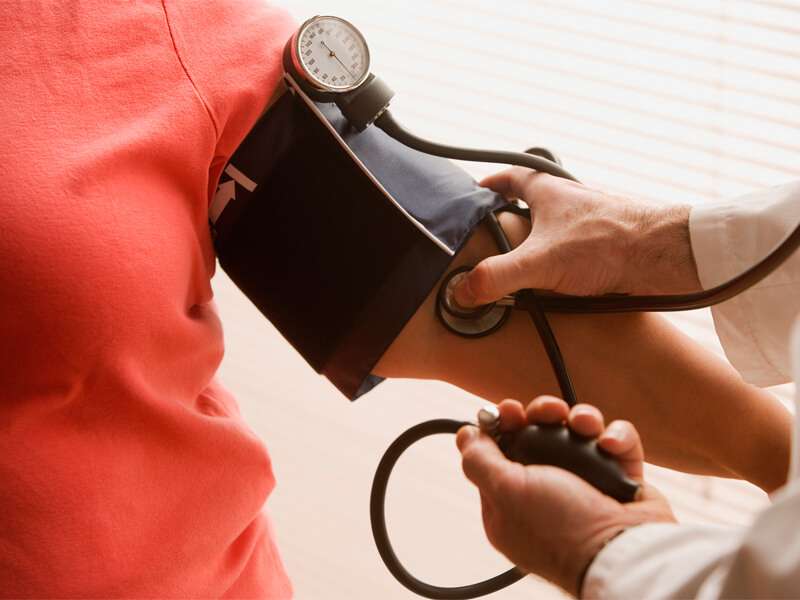
High blood pressure is a common health issue affecting many adults worldwide. It often goes unnoticed as it may not present obvious symptoms initially, but it can lead to serious complications if untreated.
- Causes and symptoms: Often asymptomatic; risk factors include genetics, diet high in salt, obesity, stress, and lack of exercise.
- Diagnosis: Regular blood pressure measurements using a sphygmomanometer at rest are essential for accurate identification.
- Treatment options: Lifestyle changes such as diet modification, regular physical activity, weight management, along with prescribed antihypertensive medications.
- Monitoring: Continuous follow-ups to monitor blood pressure levels and adjust medications as required.
Proper control of blood pressure significantly reduces the risk of heart disease and stroke. Early detection and adherence to treatment plans play a vital role in effective management.