
Dr GP Singh Ch
About Me
Dr GP Singh Ch
MBBS
General Physician
10 Years Experience
Biography
My Clinic
OPD Hours
| Monday | Morning | 10:00 AM | - | 02:00 PM |
| Evening | 06:00 PM | - | 09:00 PM | |
| Tuesday | Morning | 10:00 AM | - | 02:00 PM |
| Evening | 06:00 PM | - | 09:00 PM | |
| Wednesday | Morning | 10:00 AM | - | 02:00 PM |
| Evening | 06:00 PM | - | 09:00 PM | |
| Thursday | Morning | 10:00 AM | - | 02:00 PM |
| Evening | 06:00 PM | - | 09:00 PM | |
| Friday | Morning | 10:00 AM | - | 02:00 PM |
| Evening | 06:00 PM | - | 09:00 PM | |
| Saturday | Morning | 10:00 AM | - | 02:00 PM |
| Evening | 06:00 PM | - | 09:00 PM | |
| Sunday | Morning | 10:00 AM | - | 02:00 PM |
| Evening | 06:00 PM | - | 09:00 PM |
Treatments
Specialised care and treatments offered
CHRONIC OBSTRUCTIVE PULMONARY DISEASE (COPD)
A progressive lung disease characterized by airflow limitation that is not fully reversible. COPD predominantly affects middle-aged adults with a history of smoking but can also occur due to environmental exposures or genetic factors.
- Symptoms & risk factors : Chronic cough , sputum production , breathlessness upon exertion ; smoking major contributor alongside air pollution , occupational dust exposure .
- Diagnosis : Spirometry testing confirms airflow obstruction ; chest X-rays assist in ruling out other conditions .
- Treatment components : Smoking cessation , inhaled bronchodilators , corticosteroids when indicated , pulmonary rehabilitation programs advised .
- Disease management : Preventing exacerbations through vaccines , avoiding triggers regular follow-up improves quality of life slows progression .
Although COPD cannot be cured , early detection coupled with comprehensive medical intervention allows patients to maintain functional status longer while minimizing complications associated with this chronic illness .
GASTROENTERITIS

This digestive tract inflammation usually stems from infections induced by viruses or bacteria leading to diarrhea and vomiting. It is an acute illness but requires careful management through hydration to prevent complications especially in vulnerable groups like children and elderly people.
- Causal agents & manifestations:: Commonly caused by norovirus or rotavirus presenting with frequent loose stools accompanied by abdominal cramps nausea vomiting fever possible dehydration signs .
- Diagnosis : Primarily clinical based on history symptomatology stool cultures occasionally used during outbreaks or severe cases .
- Treatment : Supportive care including oral rehydration salts adequate fluid intake avoiding certain foods rest ; antibiotics only if bacterial infection confirmed .
- Prognosis : Symptoms usually resolve within several days without lasting effects barring severe dehydration scenarios requiring hospital admission .
Timely recognition coupled with symptomatic management helps limit illness severity ensuring safe recovery from gastroenteritis episodes .
IRON DEFICIENCY ANEMIA

Anemia caused by insufficient iron results in reduced oxygen transport capacity in the blood. It is frequently encountered especially among women of reproductive age and children but affects all demographics worldwide.
- Causative factors & symptoms: Poor dietary intake of iron, chronic bleeding (e.g., menstrual), fatigue, pallor, weakness commonly observed signs/symptoms.
- The diagnostic approach: Complete blood count showing low hemoglobin levels combined with serum ferritin tests confirms diagnosis.
- Treatment strategies: Oral iron supplements along with dietary counseling focused on iron-rich foods like leafy greens and legumes;
UPPER RESPIRATORY TRACT INFECTION (URTI)
This type of infection affects the nose, throat, pharynx, or larynx and is one of the most common ailments seen in general practice. It often resolves without complications but requires appropriate symptom relief.
- Main symptoms: Sore throat, nasal congestion, cough, mild fever common causes include viruses like rhinovirus or influenza virus.
- Diagnosis process: Clinical evaluation based on symptoms; laboratory tests generally not required unless complications suspected.
- Treatment modalities: Symptomatic treatment with rest, hydration, antipyretics; antibiotics usually not recommended as infections are mostly viral.
- Prognosis expectations: Most patients recover within 7–10 days; persistent or worsening symptoms should prompt further medical review.
Caring for URTIs involves mainly supportive measures aimed at comfort while the body's immune system clears the infection naturally.
TYPE 2 DIABETES MELLITUS
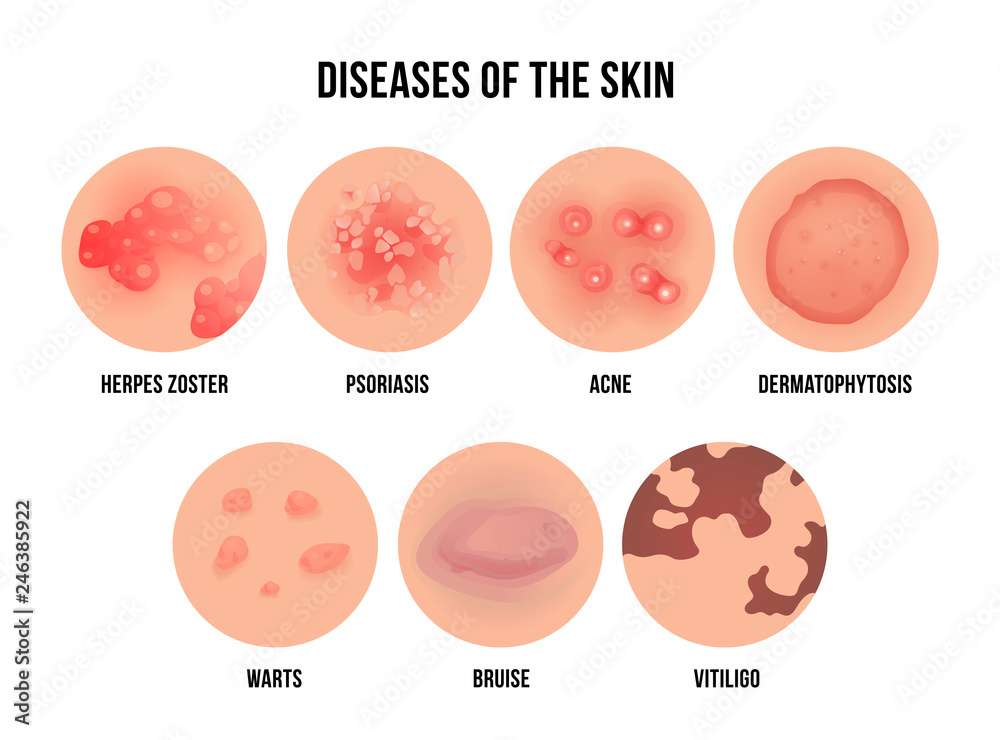
Type 2 diabetes is a metabolic disorder characterized by high blood glucose levels resulting from insulin resistance or insufficient insulin production. Early diagnosis and management are key to prevent long-term complications.
- Causes and symptoms: Often linked to obesity, sedentary lifestyle, family history; symptoms include increased thirst, frequent urination, fatigue.
- Diagnostic methods: Blood tests such as fasting glucose level, HbA1c test help confirm the condition.
- Treatment approach: Emphasis on healthy diet, regular physical activity; oral hypoglycemic agents or insulin therapy may be prescribed.
- Ongoing care: Regular monitoring of blood sugar levels and managing co-existing health issues reduce risk of nerve damage, vision loss, and cardiovascular disease.
A comprehensive care plan enables effective control of type 2 diabetes and improves quality of life for affected individuals.
HYPERTENSION
High blood pressure, or hypertension, is a common chronic condition that can lead to serious cardiovascular problems if untreated. It often shows no obvious symptoms but requires consistent management to prevent complications.
- Symptoms and causes: Frequently asymptomatic; causes include genetics, obesity, high salt intake, stress, and sedentary lifestyle.
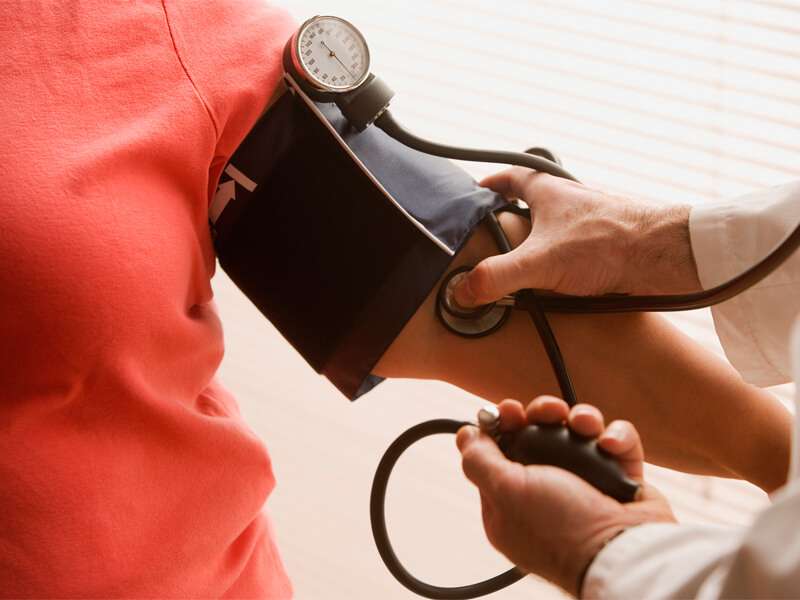
- Diagnosis: Confirmed through repeated blood pressure measurements over time using a sphygmomanometer or ambulatory blood pressure monitoring.
- Treatment options: Lifestyle changes such as diet modification and exercise, combined with antihypertensive medications when needed.
- Management: Regular monitoring, adherence to prescribed treatment, and controlling related risk factors like diabetes and cholesterol.
With appropriate care and lifestyle adjustments, individuals with hypertension can maintain a healthy life and reduce risks of heart attack, stroke, and kidney disease.