
Dr Goels Cutis
About Me
Dr Goels Cutis
Dermatologist
Biography
My Clinic
OPD Hours
| Tuesday | Morning | 10:00 AM | - | 02:00 PM |
| Evening | 06:00 PM | - | 09:00 PM | |
| Wednesday | Morning | 10:00 AM | - | 02:00 PM |
| Evening | 06:00 PM | - | 09:00 PM | |
| Thursday | Morning | 10:00 AM | - | 02:00 PM |
| Evening | 06:00 PM | - | 09:00 PM | |
| Friday | Morning | 10:00 AM | - | 02:00 PM |
| Evening | 06:00 PM | - | 09:00 PM | |
| Saturday | Morning | 10:00 AM | - | 02:00 PM |
| Evening | 06:00 PM | - | 09:00 PM | |
| Sunday | Morning | 10:00 AM | - | 02:00 PM |
| Evening | 06:00 PM | - | 09:00 PM | |
| Thursday | Morning | 10:00 AM | - | 02:00 PM |
| Evening | 06:00 PM | - | 09:00 PM |
Treatments
Specialised care and treatments offered
WARTS
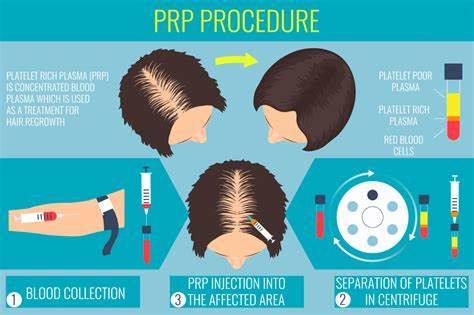
A benign growth caused by the human papillomavirus (HPV), warts commonly occur on hands and feet among both children and adults. These raised bumps can vary in size but are generally harmless yet annoying due their visibility!
- < li Symptoms:The primary sign involves a small rough bump atop flat/called plantar warts form underneath foot pressure points .< Li Causation factor : Persistent HPV root contractile via direct contact leads outbreaking different variants depending type inoculated .< Li The diagnosis : You’ll undergo visual inspections sometimes biopsy confirm malignancy limits extent potential nxt generations follies . < Li :Treatment options arise from cryotherapy (freezing), salicylic acid application guided procedures techniques . *Electrodesiccation seldom pursued here.*< br />'
You needn’t stress excessively about them—under most circumstances fades naturally given timeframe involved!
SKIN CANCER SCREENING
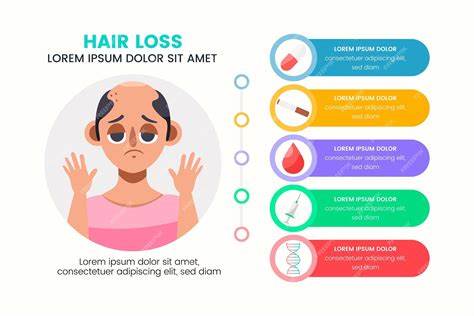
An essential preventive measure against skin cancer involves regular screenings for changes in moles or new growths. These evaluations target individuals at risk due to fair skin levels or family history of melanoma.
- < li Symptoms: Suspicious new spots/moles that change color/size over time require professional washout < li Risk factors: Fairness towards an early age during sun exposure/indoor tanning incipient towards serious forms develop later < li Diagnosis: Complete body exam employed along histological analyses when needed < li Preventive options include: The application of broad-spectrum sunscreens alongside protective clothing acts as wellresources available.
A proactive approach through these examinations significantly reduces risks associated with potentially life-threatening ailments arising unexpectedly!
ROSACEA
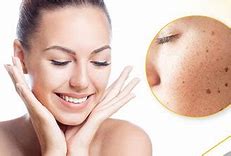
This chronic inflammatory condition predominantly affects facial skin resulting in redness and visible blood vessels. Rosacea typically occurs in adults aged 30-50 years old but can manifest earlier as well.
- < li Symptoms: Flushing or persistent redness & invisible blood vessels on cheeks/nose; bumps/pustules resembling acne are common as well.< li Causes: Factors include genetics along with environmental elements including sun exposure/hot beverages/spicy foods< li Diagnosis: Conducted via clinical evaluation; significant history concerning triggers may assist diagnosis.< li Treatment includes: Topical agents like metronidazole/jessica cream might improve symptoms; oral antibiotics could be beneficial for moderate/severe types.
If diligent measures are adopted early-on one may obtain remission from bothersome signs associated with rosacea
ECZEMA (ATOPIC DERMATITIS)
Eczema is an inflammatory skin condition often seen in children but can persist into adulthood. It's characterized by dry, itchy patches that may flake or weep.
- Symptoms: Intense itching, red or brownish-gray patches typically found on hands, feet, ankles, wrists, necks, eyelids, inside bend of elbows and knees;
PSORIASIS
This chronic autoimmune condition leads to rapid skin cell production resulting in thick red patches covered with silvery scales. It can affect anyone but often appears in early adulthood or between ages 50-60.
- Symptoms: Red patches on the skin with flaky scales that may itch or burn.
- Causes: Genetic predisposition and environmental triggers such as stress or infections can contribute.
- Diagnosis: Primarily involves visual assessment; hair and nail evaluation might also be necessary.
- Treatment options: Include topical treatments like corticosteroids, phototherapy, and systemic medications for severe cases.
A personalized management plan can help control symptoms effectively and enhance your quality of life.
ACNE
Acne is a common skin condition that primarily affects teenagers and young adults, although it can occur at any age. It is characterized by the presence of pimples, blackheads, and cysts on the skin due to clogged pores.
- Symptoms: Red or inflamed spots, pus-filled lesions, and scarring.
- Causes: Overproduction of oil, bacteria, hormonal changes, and certain medications.
- Diagnosis: Usually based on physical examination; sometimes requires lab tests.
- Treatment: Options include topical retinoids, antibiotics, and lifestyle modifications.
- Management: Regular cleansing routines and avoiding oil-based products can help reduce flare-ups.
With proper treatment, acne can be effectively managed to improve skin appearance and boost confidence.