
Dr Girish Gupta G
About Me
Dr Girish Gupta G
MBBS
General Physician
10 Years Experience
Biography
My Clinic
OPD Hours
| Monday | Morning | 10:00 AM | - | 02:00 PM |
| Evening | 06:00 PM | - | 09:00 PM | |
| Tuesday | Morning | 10:00 AM | - | 02:00 PM |
| Evening | 06:00 PM | - | 09:00 PM | |
| Wednesday | Morning | 10:00 AM | - | 02:00 PM |
| Evening | 06:00 PM | - | 09:00 PM | |
| Thursday | Morning | 10:00 AM | - | 02:00 PM |
| Evening | 06:00 PM | - | 09:00 PM | |
| Friday | Morning | 10:00 AM | - | 02:00 PM |
| Evening | 06:00 PM | - | 09:00 PM | |
| Saturday | Morning | 10:00 AM | - | 02:00 PM |
| Evening | 06:00 PM | - | 09:00 PM | |
| Sunday | Morning | 10:00 AM | - | 02:00 PM |
| Evening | 06:00 PM | - | 09:00 PM |
Treatments
Specialised care and treatments offered
VACCINATION UPDATES IN ADULTS
The administration of recommended vaccines in adulthood is essential for ongoing protection against various infectious diseases that may cause serious illness later in life. Staying up-to-date ensures community-wide benefits through herd immunity as well.
NUTRITION COUNSELING FOR ADULTS

Nutritional guidance plays a vital role in preventing chronic diseases by promoting balanced eating habits tailored to individual needs. Proper nutrition supports overall health vitality throughout adulthood.
- Main objectives: Achieve healthy body weight; improve energy levels; enhance immune function; prevent lifestyle-related conditions like diabetes or hypertension.
- Nutritional assessment involves: Evaluating current dietary patterns along with physical activity levels and medical history for personalized recommendations.
- Counseling aspects include: Advice on meal planning emphasizing fruits, vegetables, whole grains while limiting processed foods high in sugar and salt content.
- Sustainable outcomes require:: Motivation towards gradual behavior change supported by follow-up consultations to reinforce progress and address challenges faced during implementation phases.
RESPIRATORY INFECTION CARE

Lung infections affecting the upper or lower respiratory tract can range from mild colds to more severe pneumonia. Appropriate care helps speed recovery and prevents complications.
- Causative agents: Viruses like influenza or bacteria such as Streptococcus pneumoniae commonly cause respiratory infections.
- Symptoms include: Cough with sputum production, sore throat, fever, breathlessness depending on severity.
- Treatment approaches: Rest, hydration, antipyretics for fever relief; antibiotics are used when bacterial infection is confirmed or strongly suspected.
- Prevention tips: Good hygiene practices including handwashing and vaccination against influenza reduce infection risk considerably.
If symptoms worsen or persist beyond expected timelines it is important to seek medical attention promptly for further evaluation.
ROUTINE HEALTH CHECK-UP
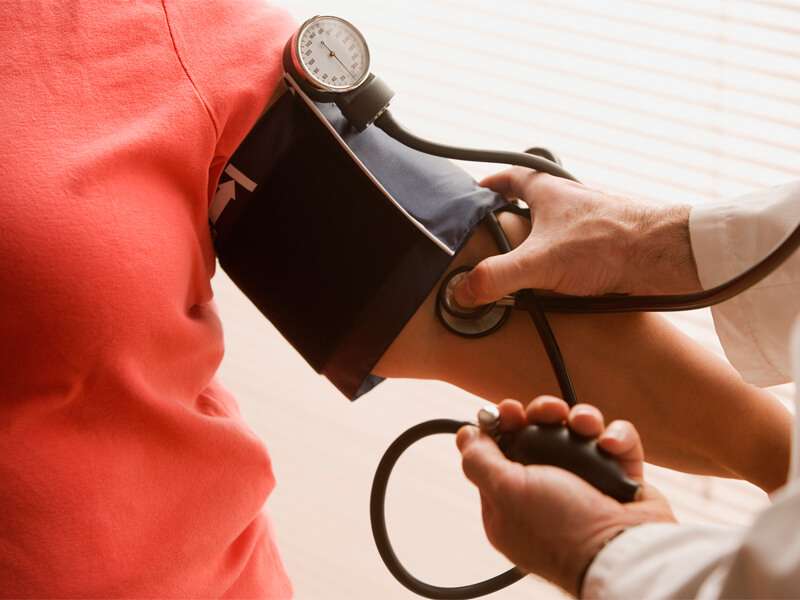
A comprehensive health check-up is an important preventive measure to detect potential health issues before symptoms appear. Regular screenings contribute to maintaining overall well-being.
- Purpose: Early identification of risk factors like cholesterol imbalance, anemia, diabetes, or organ dysfunction.
- Components: Physical examination along with laboratory tests such as blood count, lipid profile, liver function tests, and urine analysis.
- Frequency: Annual or biannual check-ups depending on age and existing medical conditions are recommended.
- Benefits: Enables timely intervention which improves prognosis and reduces healthcare costs over the long term.
Engaging in periodic health evaluations promotes awareness of personal health status and encourages healthier lifestyle choices.
TYPE 2 DIABETES SCREENING

Type 2 diabetes is a metabolic disorder characterized by elevated blood sugar levels due to insulin resistance. Early screening helps in preventing complications associated with diabetes.
- Risk factors: Includes obesity, sedentary lifestyle, family history, and age above 45 years.
- Symptoms: Increased thirst, frequent urination, fatigue, and blurred vision may indicate diabetes but often develop gradually.
- Screening methods: Fasting blood glucose test, HbA1c test, or oral glucose tolerance test detect abnormal glucose metabolism.
- Treatment and prevention: Diet modification, weight loss, regular exercise, and medications when necessary help manage blood sugar effectively.
Lifestyle interventions combined with medical management can delay or prevent the onset of type 2 diabetes in at-risk individuals.
HYPERTENSION MANAGEMENT
High blood pressure is a common yet serious health issue that can lead to heart disease and stroke if left uncontrolled. Understanding and managing hypertension is crucial for long-term wellness.
- Causes and symptoms: Often called the "silent killer," hypertension usually has no symptoms but can result from genetics, poor diet, stress, or lack of exercise.
- Diagnosis: Blood pressure readings taken during routine check-ups help identify elevated levels; multiple readings are needed for accuracy.
- Treatment options: Lifestyle changes such as reducing salt intake, increasing physical activity, and medication prescribed by a healthcare provider can control blood pressure effectively.
- Management: Regular monitoring and adherence to treatment plans are essential to prevent complications like heart attack or kidney damage.
Early detection and proactive management of high blood pressure significantly reduce health risks over time.