
DR Girish Chauhan
About Me
DR Girish Chauhan
MS
Orthopaedic Surgeons
10 Years Experience
Biography
My Clinic
OPD Hours
| Monday | Morning | 10:00 AM | - | 02:00 PM |
| Evening | 06:00 PM | - | 09:00 PM | |
| Tuesday | Morning | 10:00 AM | - | 02:00 PM |
| Evening | 06:00 PM | - | 09:00 PM | |
| Wednesday | Morning | 10:00 AM | - | 02:00 PM |
| Evening | 06:00 PM | - | 09:00 PM | |
| Thursday | Morning | 10:00 AM | - | 02:00 PM |
| Evening | 06:00 PM | - | 09:00 PM | |
| Friday | Morning | 10:00 AM | - | 02:00 PM |
| Evening | 06:00 PM | - | 09:00 PM | |
| Saturday | Morning | 10:00 AM | - | 02:00 PM |
| Evening | 06:00 PM | - | 09:00 PM | |
| Sunday | Morning | 10:00 AM | - | 02:00 PM |
| Evening | 06:00 PM | - | 09:00 PM |
Treatments
Specialised care and treatments offered
PLANTAR FASCIITIS TREATMENT
This condition relates directly impacting numerous individuals experiencing discomfort primarily along foot arches resulting ultimately leading acute debilitating effects especially during morning activities walking around afterwards!
- Commonly sensed signs manifest acute stabbing pains felt right beneath heel regions—often exacerbated post-longer periods standing upright seemingly relative high-impact sports played recreationally too repeatedly unless alterations implemented up avoiding worsening conditions occurring additionally!
- A detailed assessment generally occurs combining both patient interviews alongside necessary diagnostic evaluations merged aiding ascertain further inspect specific areas involved correctly prior engaging initial treatment phases subsequently one opts pursuing different routes available thereby offering substantial relief gained regularly thereafter end game altogether ultimately reached success stories shared routinely abound positively respective families themselves consciously assuring moments spent recovering garnered patience applied accordingly consistently till finally overcoming challenges faced overall together again!
ANKLE ARTHROSCOPY
Ankle Arthroscopy is a minimally invasive technique utilized for diagnosing and treating various ankle disorders. This method includes inserting a tiny camera into the joint space allowing surgeons direct visibility without large incisions facilitating quicker recovery times than open surgery methods would entail!
- Common indications include recurring ankle pain/swelling linked oftentimes due not only injury but also degeneration affecting cartilage surfaces over time steadily causing issues!
- A precise diagnosis depends heavily upon imaging tests alongside input gathered from patient history focusing closely on their specific symptoms presented each visit made possible through direct visualization via arthroscopic tools used effectively throughout procedures done!
Minimal scarring results show tremendous advantages regarding faster healing periods enabling patients return actively engaging back into routine quickly thereafter respectively!
HIP RESURFACING

Hip Resurfacing is a modern alternative to traditional hip replacement that involves capping the femoral head instead of removing it completely. This option is particularly suitable for younger patients with severe hip arthritis who wish to maintain an active lifestyle post-surgery.
- Pain in the hip area during weight-bearing activities accompanied by limited mobility are common signs prompting evaluation for this condition.
- Diagnosis includes comprehensive physical assessments along with imaging studies such as X-rays that will reveal damage levels within the joint structure.
- If conservative measures fail—like medications or lifestyle changes—surgery becomes an option aimed at relieving debilitating symptoms caused by hip degeneration.
- The procedure entails reshaping existing bone surfaces followed by fitting metal components which preserve most of your natural anatomy compared to full replacements
- The recovery involves targeted physiotherapy strategies helping regain hip strength while promoting joint flexibility gradually over weeks/months after surgery
This technique provides remarkable benefits by preserving more natural bone structure compared against traditional approaches while enhancing functional outcomes effectively!
SPINAL FUSION

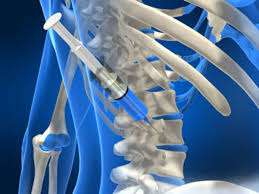
Spinal Fusion is a surgical technique used to connect two or more vertebrae in the spine, providing stability for patients suffering from conditions like degenerative disc disease or spinal instability. This procedure aims to alleviate pain by reducing movement between vertebrae that may be causing discomfort.
- Patients often experience chronic back pain, numbness, or weakness due to nerve compression from unstable vertebrae.
- Diagnosis generally requires imaging techniques such as X-rays or CT scans along with a comprehensive neurological assessment.
- While conservative treatments may include medication and physical therapy, surgery becomes an option when these methods are ineffective long-term.
- The fusion process may involve bone grafting combined with implants to stabilize the affected vertebrae together permanently.
- Post-operative care focuses on rehabilitation exercises aimed at gradually increasing strength while ensuring that the spine heals properly during recovery.
This surgery significantly enhances stability within the spine region, leading towards improved functionality over time.
ROTATOR CUFF REPAIR

A Rotator Cuff Repair addresses tears in the shoulder's rotator cuff tendons, which can result from injuries or degenerative conditions. This procedure is essential for individuals experiencing significant discomfort or impaired shoulder function.
- Symptoms often include shoulder pain during rest or movement, weakness in lifting objects, and a restricted range of motion.
- Diagnosis typically includes a thorough physical examination along with imaging studies like MRI to visualize the tear extent.
- Treatment may start conservatively with medications and physical therapy but can progress to surgical intervention if improvement does not occur.
- The repair often involves reattaching the torn tendon back to the bone using anchors and sutures.
- Recovery involves gradual rehabilitation tailored to restore strength and mobility in the shoulder joint.
This procedure aims to enhance overall shoulder function while alleviating pain for better quality of life post-treatment.
TOTAL KNEE REPLACEMENT

Total Knee Replacement is a surgical procedure designed to relieve pain and restore function in severely diseased knee joints. It is typically considered when conservative treatments have failed to provide relief.
- Common symptoms include persistent knee pain, swelling, stiffness, and reduced range of motion.
- Diagnosis often involves physical examinations, imaging tests such as X-rays or MRIs to assess joint damage.
- Treatment options range from medication and physical therapy to assistive devices; however, surgery may be necessary for advanced cases.
- The procedure involves removing damaged cartilage and bone, then replacing them with artificial components.
- Post-surgery rehabilitation is crucial for regaining mobility and strength in the knee.
The goal of Total Knee Replacement is to improve quality of life by alleviating pain and restoring functional ability in daily activities.