
Dr Gireesh Gupta
About Me
Dr Gireesh Gupta
MS
Orthopaedic Surgeons
10 Years Experience
Biography
My Clinic
OPD Hours
| Monday | Morning | 10:00 AM | - | 02:00 PM |
| Evening | 06:00 PM | - | 09:00 PM | |
| Tuesday | Morning | 10:00 AM | - | 02:00 PM |
| Evening | 06:00 PM | - | 09:00 PM | |
| Wednesday | Morning | 10:00 AM | - | 02:00 PM |
| Evening | 06:00 PM | - | 09:00 PM | |
| Thursday | Morning | 10:00 AM | - | 02:00 PM |
| Evening | 06:00 PM | - | 09:00 PM | |
| Friday | Morning | 10:00 AM | - | 02:00 PM |
| Evening | 06:00 PM | - | 09:00 PM | |
| Saturday | Morning | 10:00 AM | - | 02:00 PM |
| Evening | 06:00 PM | - | 09:00 PM | |
| Sunday | Morning | 10:00 AM | - | 02:00 PM |
| Evening | 06:00 PM | - | 09:00 PM |
Treatments
Specialised care and treatments offered
SCOLIOSIS SCREENING
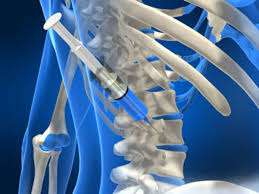
Scoliosis is characterized by an abnormal lateral curvature of the spine affecting posture and sometimes leading to discomfort. Early screening is crucial especially during growth spurts in children/teenagers for timely intervention when needed .
- Symptoms : Indicators may include uneven shoulders , prominent ribs on one side ,or tilted hips among others without visible pain initially .
- Diagnosis : Physical exam observations combined with X-rays allow healthcare providers to determine curvature degree accurately .
- Treatment Options:> : Depending on progression stage & severity braces provide support while surgery corrects significant curvatures if required otherwise monitored closely over time .
- What To Expect : Comprehensive monitoring enables proactive responses reducing future complications /impact concerning scoliosis development as necessary thus allowing optimal outcomes overall
ANKLE SPRAIN REHABILITATION
An ankle sprain occurs when ligaments supporting the ankle stretch beyond their limits due to sudden twists or impacts. Identifying this injury promptly aids in effective rehabilitation for resuming daily activities swiftly.
- Symptoms : Common signs include swelling around the ankle joint , bruising , pain during movement ,and difficulty walking .
- Diagnosis : A medical examination alongside X-ray imaging ensures accurate identification of sprains versus fractures .
- Treatment Options : Initial approaches involve R.I.C.E (rest , ice , compression , elevation) ; progressive mobilization exercises follow as healing progresses .
- What to Expect : Recovery times vary significantly based on severity; most mild-to-moderate sprains resolve within weeks with adherence to prescribed rehabilitation protocols .
Ensuring adherence throughout rehabilitation maximizes recovery potential after an ankle sprain .
KNEE PAIN ASSESSMENT

Knee pain can stem from various causes including injury or degenerative conditions like osteoarthritis. A thorough assessment is critical for determining an effective management strategy tailored to individual needs.
- Symptoms: Patients often present with localized pain around the knee joint, swelling, stiffness after prolonged sitting, or difficulty bearing weight on the affected leg.
- Diagnosis: This typically involves a detailed history-taking followed by physical examination; advanced imaging such as MRI may be recommended for intricate cases.
- Treatment Options: Initial care focuses on rest and ice therapy; additional interventions may include corticosteroid injections or surgical options depending on severity.
- What to Expect : Patient responses vary widely based on underlying issues but many can achieve relief with proper guidance.
Taking action early gives you a better chance at comprehensive recovery from knee pain challenges.
OSTEOPOROSIS SCREENING

Osteoporosis is a condition characterized by weakened bones that increases fracture risk. Early detection through screening is essential for effective management. Understanding risk factors can help in prevention strategies.
- Symptoms: Many individuals are asymptomatic initially; however, fractures from minor falls may indicate osteoporosis.
- Diagnosis: A bone density test (DEXA scan) measures bone mass and helps assess osteoporosis risk levels.
- Treatment Options: Management includes lifestyle adjustments (diet rich in calcium and vitamin D), weight-bearing exercises, and medications aimed at strengthening bones.
- What to Expect: With appropriate treatment protocols in place, many patients successfully reduce their fracture risk and improve overall bone health.
Regular screenings play a vital role in identifying osteoporosis early on for better outcomes.
ROTATOR CUFF INJURY TREATMENT

A rotator cuff injury refers to damage of the group of muscles and tendons that stabilize the shoulder. This condition often arises from repetitive overhead activities, trauma, or degeneration over time. Understanding its symptoms and treatment options can aid in effective recovery.
- Symptoms: Key indicators include persistent shoulder pain, weakness when raising the arm, and a crackling sensation with shoulder movement.
- Diagnosis: Physicians usually conduct a physical examination along with MRI or ultrasound imaging to confirm the injury's extent.
- Treatment Options: Initial management may involve rest, ice application, physical therapy exercises; more severe cases might necessitate surgical repair.
- What to Expect: Most patients respond well to conservative treatments but should monitor progress closely for any worsening conditions.
A proactive approach can significantly enhance outcomes following rotator cuff injuries.
ARTHRITIS MANAGEMENT

Arthritis is a prevalent condition that leads to joint pain, stiffness, and swelling. It can affect one or multiple joints, significantly impacting daily activities. Understanding the underlying causes and management options is crucial for maintaining quality of life.
- Symptoms: Common signs include joint pain, swelling, reduced range of motion, and fatigue.
- Diagnosis: Typically involves clinical evaluations, imaging studies such as X-rays or MRIs, and laboratory tests to identify the type of arthritis.
- Treatment Options: Management may include medications (pain relievers and anti-inflammatories), physical therapy, lifestyle modifications, and in severe cases, surgical interventions like joint replacement.
- What to Expect: Many patients can manage symptoms effectively with early intervention and tailored treatment plans.
Knowing the effective strategies for managing arthritis can help individuals lead active lives despite their condition.