
Dr Ghanshyam Sha
About Me
Dr Ghanshyam Sha
MBBS
General Physician
10 Years Experience
Biography
My Clinic
OPD Hours
| Monday | Morning | 10:00 AM | - | 02:00 PM |
| Evening | 06:00 PM | - | 09:00 PM | |
| Tuesday | Morning | 10:00 AM | - | 02:00 PM |
| Evening | 06:00 PM | - | 09:00 PM | |
| Wednesday | Morning | 10:00 AM | - | 02:00 PM |
| Evening | 06:00 PM | - | 09:00 PM | |
| Thursday | Morning | 10:00 AM | - | 02:00 PM |
| Evening | 06:00 PM | - | 09:00 PM | |
| Friday | Morning | 10:00 AM | - | 02:00 PM |
| Evening | 06:00 PM | - | 09:00 PM | |
| Saturday | Morning | 10:00 AM | - | 02:00 PM |
| Evening | 06:00 PM | - | 09:00 PM | |
| Sunday | Morning | 10:00 AM | - | 02:00 PM |
| Evening | 06:00 PM | - | 09:00 PM |
Treatments
Specialised care and treatments offered
SEASONAL ALLERGIC RHINITIS
This allergic reaction occurs due to environmental pollens during specific seasons causing nasal congestion and discomfort. Although non-life threatening, it impacts daily activities if untreated effectively.
- Common symptoms/causes: Sneezing fits, itchy eyes/nose/throat caused by airborne pollen particles
- Diagnostic approach: Based primarily on history but may include allergy skin testing
- Treatment modalities: Antihistamines, nasal corticosteroids help alleviate symptoms; avoidance of known allergens advised
- Expected results: Symptoms typically improve with timely therapy though seasonal flare-ups may recur each year
Understanding triggers and following preventive measures empowers patients to manage seasonal allergic rhinitis better throughout affected months.
CHILDHOOD ASTHMA

This chronic inflammatory airway condition frequently begins in childhood causing breathing difficulties that require careful management. Recognizing warning signs early ensures effective control strategies can be implemented promptly.
- Symptoms & triggers: Wheezing, coughing episodes especially at night or after exercise; triggered by allergens, cold air, infections
- Diagnosis method: Clinical history combined with lung function tests suitable for children
- Treatment plans: Inhaled corticosteroids as preventive treatment; bronchodilators for relief during attacks
- Management outlook: Proper adherence reduces exacerbations allowing children a normal active lifestyle
Asthma education for parents alongside regular monitoring forms a cornerstone for optimal asthma control in young patients.
OSTEOARTHRITIS MANAGEMENT

This degenerative joint disease commonly affects middle-aged and older adults causing joint pain and stiffness. Understanding ways to relieve symptoms can improve daily functioning significantly.
- Main features/causes: Joint discomfort especially in knees or hips; results from cartilage breakdown due to aging or injury.
- Diagnosis process: Combination of clinical evaluation plus imaging studies like X-rays highlight joint space narrowing.
- Treatments available: Pain relief medications; physical therapy exercises focusing on strength and flexibility; lifestyle adaptations to minimize joint stress;
- Treatment goals: Pain control while maintaining mobility and independence over time through continuous care efforts.
A well-rounded approach combining medical treatments with self-care improves outcomes in osteoarthritis sufferers.
ACUTE RESPIRATORY INFECTIONS
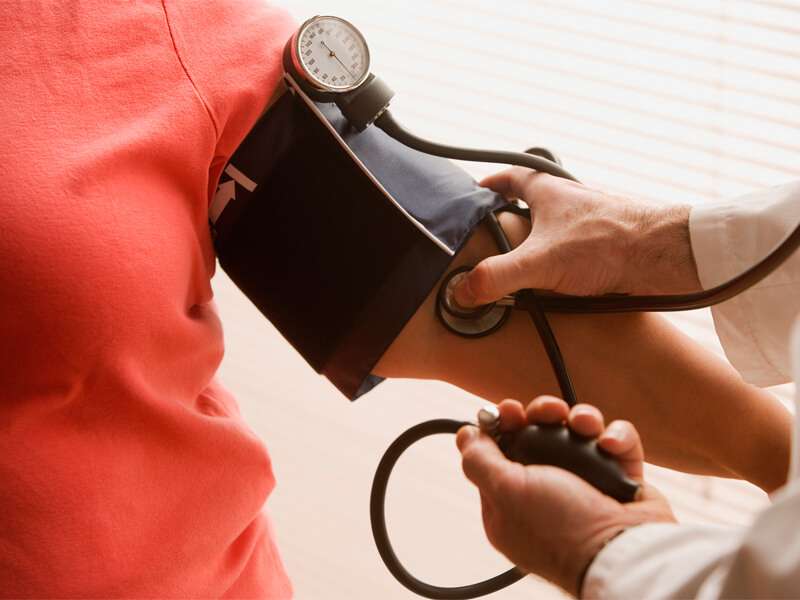
A wide range of infections affecting the respiratory tract can cause symptoms requiring timely care. These infections vary from mild colds to more serious illnesses like bronchitis or pneumonia.
- Signs and causes: Symptoms include cough, sore throat, runny nose; caused by viruses or bacteria spread through droplets.
- How it's diagnosed: Clinical examination with possible chest X-rays if pneumonia is suspected.
- Treatment options: Supportive care with hydration and rest; antibiotics only if bacterial infection confirmed;
- Prognosis: Most recover fully with prompt treatment though some cases need closer observation especially in vulnerable individuals.
Avoiding cigarette smoke and practicing good hygiene help reduce risk of recurrent respiratory infections.
TYPE 2 DIABETES MELLITUS
This chronic metabolic disorder affects how the body processes glucose, leading to elevated blood sugar levels. Early intervention reduces complications significantly.
- Symptoms/causes: Increased thirst, frequent urination, fatigue; related to insulin resistance often due to obesity or inactivity.
- Diagnosis: Blood tests such as fasting plasma glucose or HbA1c confirm diagnosis.
- Treatment/management: Lifestyle changes with diet adjustments and physical activity; oral medications or insulin therapy as required.
- What to expect: Ongoing monitoring of blood sugar, routine checkups to prevent long-term complications like nerve or kidney damage.
Lifelong management is key for maintaining quality of life in type 2 diabetes patients.
HYPERTENSION MANAGEMENT
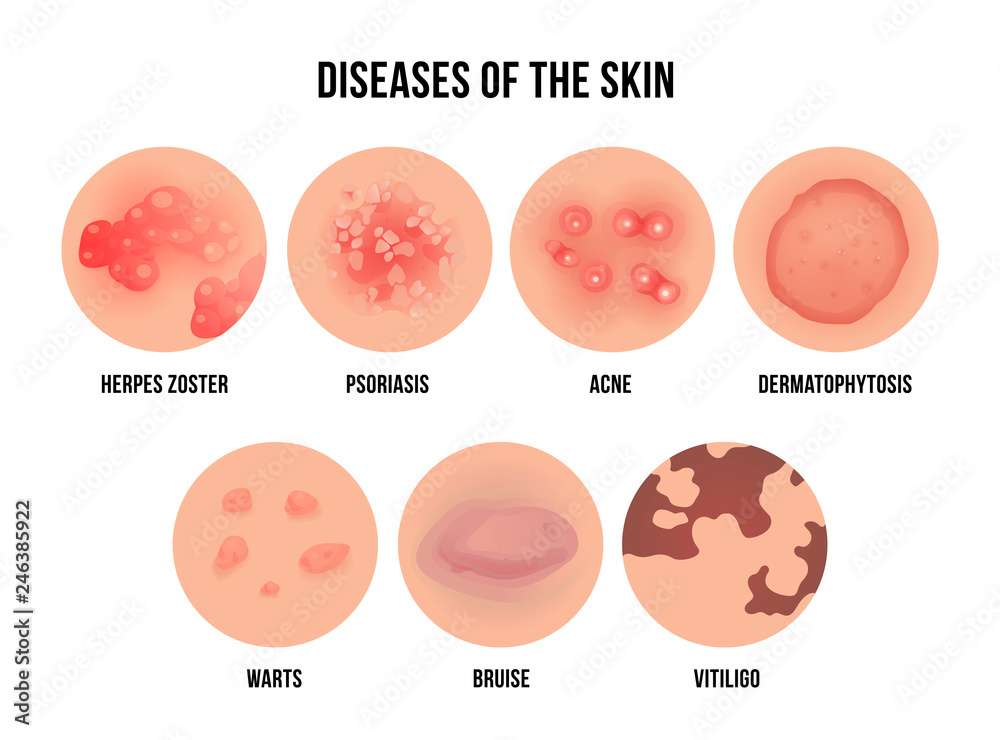
High blood pressure, or hypertension, is a common condition that can lead to serious health issues if left untreated. Regular monitoring and lifestyle changes are essential for managing this silent condition.
- Symptoms and causes: Often asymptomatic, but some may experience headaches or dizziness; caused by genetics, obesity, stress, or poor diet.
- Diagnosis: Measured through repeated blood pressure readings during clinical visits.
- Treatment options: Lifestyle modifications including diet and exercise; antihypertensive medications prescribed as needed.
- Management expectations: Regular follow-ups and medication adherence can control blood pressure and reduce risks of heart attack and stroke.
With consistent care, patients can lead healthy lives while effectively managing hypertension.