Dr Georama Ponda (
About Me
Dr Georama Ponda (
MBBS
Gynecologist
10 Years Experience
Biography
My Clinic
OPD Hours
| Monday | Morning | 10:00 AM | - | 02:00 PM |
| Evening | 06:00 PM | - | 09:00 PM | |
| Tuesday | Morning | 10:00 AM | - | 02:00 PM |
| Evening | 06:00 PM | - | 09:00 PM | |
| Wednesday | Morning | 10:00 AM | - | 02:00 PM |
| Evening | 06:00 PM | - | 09:00 PM | |
| Thursday | Morning | 10:00 AM | - | 02:00 PM |
| Evening | 06:00 PM | - | 09:00 PM | |
| Friday | Morning | 10:00 AM | - | 02:00 PM |
| Evening | 06:00 PM | - | 09:00 PM | |
| Saturday | Morning | 10:00 AM | - | 02:00 PM |
| Evening | 06:00 PM | - | 09:00 PM | |
| Sunday | Morning | 10:00 AM | - | 02:00 PM |
| Evening | 06:00 PM | - | 09:00 PM |
Treatments
Specialised care and treatments offered
DIAGNOSTIC AND OPERATIVE LAPAROSCOPY

A minimally invasive surgical procedure in which a laparoscope (a thin tube with a camera and light) and specialized surgical instruments are inserted through small incisions in the abdomen. The abdomen is inflated with gas to provide a clear view of the pelvic organs, including the uterus, fallopian tubes, and ovaries. It is used to diagnose and treat conditions such as ovarian cysts, endometriosis, ectopic pregnancy, pelvic adhesions, fibroids, infertility issues, and tubal disorders.
MENSTRUAL DISORDERS MANAGEMENT

Menstrual disorders are conditions that affect the timing, flow, or comfort of periods.
They can impact daily life, fertility, and overall health. Management is personalized and
may include lifestyle changes, medicines, and minimally invasive or surgical procedures.
Common Types
- Irregular periods (Oligomenorrhea/Polymenorrhea): Cycles shorter than 21 days or longer than 35 days; may be linked to hormones, thyroid, stress, or PCOS.
- Heavy menstrual bleeding (Menorrhagia): Flow lasting >7 days or soaking pads/tampons frequently; often due to fibroids, polyps, or hormonal imbalance.
- Painful periods (Dysmenorrhea): Cramping/pelvic pain; may be primary (hormonal) or secondary (endometriosis, adenomyosis, fibroids).
- Absence of periods (Amenorrhea): Primary (no periods by age 15–16) or secondary (stopped for 3+ months); causes include PCOS, thyroid issues, excessive exercise, or premature ovarian insufficiency.
Diagnosis
- Detailed medical history and physical/pelvic examination
- Blood tests (thyroid, FSH/LH, prolactin, testosterone; iron profile if heavy bleeding)
- Pelvic ultrasound to assess fibroids, cysts, or polyps
- Pap smear and/or endometrial biopsy when indicated
Treatment Options
- Lifestyle: Stress management, balanced diet, regular exercise, weight optimization (especially for PCOS).
- Medications: NSAIDs for cramps; iron supplements for anemia; hormonal therapy (combined pills, progesterone, LNG-IUS, GnRH analogues); thyroid/insulin-targeted therapy when needed.
- Minimally invasive: Hysteroscopic polyp/fibroid removal, endometrial ablation for heavy bleeding, laparoscopy for endometriosis or cysts.
- Surgery (case-dependent): Myomectomy (fibroid removal) or hysterectomy (when fertility is not desired and other treatments have failed).
Goals of Care
- Normalize cycle pattern and flow
- Relieve pain and improve quality of life
- Treat underlying hormonal or structural causes
- Protect fertility where desired and prevent complications like anemia
When to Seek Care
- Very heavy bleeding, clots, or bleeding >7 days
- Severe cramps not relieved by OTC pain relief
- Cycles consistently irregular or absent
- Intermenstrual or postcoital bleeding
Note: Management is individualized after evaluation by a gynecologist.
Discuss your symptoms, family planning goals, and treatment preferences to choose the best option.
FAMILY PLANNING

STEM CELL TRANSPLANT
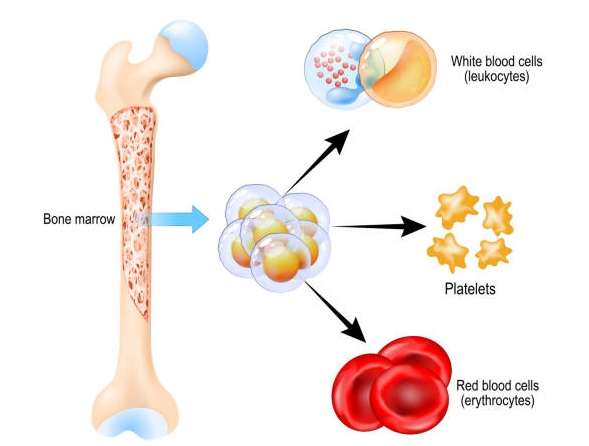
A stem cell transplant, also known as a bone marrow transplant, is a procedure that infuses healthy stem cells into the body to replace damaged or diseased bone marrow. Stem cells are the basic cells of the body that have the potential to develop into many different cell types during early life and growth. In certain cases, they can also repair the body by dividing indefinitely to replenish cells.
Stem cell transplants are used to treat conditions where the bone marrow doesn't work and can't produce healthy blood cells. This could be due to disease (like certain types of leukemia or lymphoma), congenital conditions (like sickle cell anemia or thalassemia), or specific high-dose cancer treatments that destroy the bone marrow along with the cancer cells.
There are two main types of stem cell transplants:
1. Autologous Transplant: This involves using the patient's own stem cells. The cells are harvested, or removed, from the patient before they undergo a treatment (like chemotherapy or radiation) that destroys their bone marrow. After treatment, the patient's stem cells are returned to their body to help their bone marrow start to produce new blood cells.
2. Allogeneic Transplant: This involves using stem cells from a donor. The donor could be a family member, an unrelated donor, or umbilical cord blood. For the transplant to be successful, certain markers on the donated cells (called human leukocyte antigen (HLA) markers) must match the markers on the patient's cells as closely as possible to minimize the risk of complications.
One potential risk in allogeneic transplants is a condition called graft-versus-host disease (GVHD), which occurs when the donor cells attack the patient's own cells as they would a foreign substance.
Recovery from a stem cell transplant can take several months, and the patient will need to be closely monitored for complications. The success of the transplant depends on a range of factors, including the type of disease being treated, the type of transplant, the patient's overall health, and how closely the donor's HLA markers match those of the patient.
HORMONE THERAPY
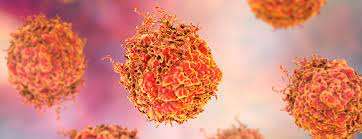
Hormone therapy, also known as hormonal therapy, endocrine therapy, or hormone-blocking therapy, is a type of treatment that focuses on using drugs to adjust the levels of certain hormones in the body. It's often used as a treatment for cancers that are sensitive to hormones, such as breast cancer and prostate cancer.
Here's how hormone therapy works for these two types of cancer:
1. Breast Cancer: Some breast cancers are fueled by the hormones estrogen and/or progesterone. Hormone therapy for breast cancer works by preventing these hormones from attaching to the cancer cells or by reducing the body's production of these hormones. Examples of drugs used in this therapy include Tamoxifen, which blocks estrogen from binding to cancer cells, and Aromatase inhibitors, which lower the amount of estrogen the body makes.
2. Prostate Cancer: Testosterone, a hormone produced primarily in the testes, can promote the growth of prostate cancer cells. Hormone therapy for prostate cancer works by blocking the production or action of testosterone. This is often achieved through medications known as LHRH agonists or antagonists, or through a surgical procedure known as orchiectomy, which removes the testes.
While hormone therapy can be very effective in treating certain types of cancer, it can also have side effects. These can include menopausal symptoms (like hot flashes and vaginal dryness) for women, and erectile dysfunction, hot flashes, and loss of muscle mass for men. It's important to note that hormone therapy is different from hormone replacement therapy (HRT), which is used to replace hormones that are at low levels due to menopause.
Apart from cancer treatment, hormone therapy can also be used for other conditions and purposes, such as gender-affirming hormone therapy for transgender individuals.
RADIATION THERAPY
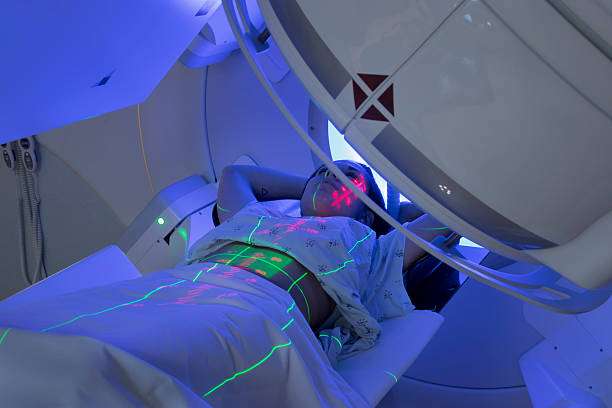
Radiation therapy, also known as radiotherapy, is a common method used to treat cancer. It uses high-energy particles or waves, such as X-rays, gamma rays, or proton beams, to destroy or damage cancer cells. It can be used alone or in conjunction with other treatments like surgery and chemotherapy.
Radiation therapy works by damaging the DNA within cancer cells, making them unable to divide and grow. While it aims to target cancer cells, it can also harm nearby healthy cells. However, normal cells can usually repair much of the radiation-induced damage, whereas cancer cells cannot.
There are two main types of radiation therapy:
1. External Beam Radiation Therapy (EBRT): This is the most common type and involves radiation being delivered from a machine positioned outside the body. The machine rotates around the patient, delivering radiation to the tumor site from several angles. The treatment is usually delivered over several sessions, with each session lasting just a few minutes.
2. Internal Radiation Therapy (Brachytherapy): This involves placing a small radioactive source directly into or near the tumor. The radioactive source can be left temporarily or permanently, depending on the type and stage of cancer being treated.
Radiation therapy can also be used in different contexts: -
Curative Treatment: It can be used with the intent to cure the cancer, either as a standalone treatment or in conjunction with other therapies.
Adjuvant Treatment: After the primary treatment like surgery, radiation therapy can be used to kill any remaining cancer cells.
Neoadjuvant Treatment: Radiation can be given before the primary treatment to shrink a tumor and make it easier to remove or treat.
Palliative Treatment: For advanced cancers, radiation therapy can be used to relieve symptoms caused by the cancer, such as pain or pressure.
The use of radiation therapy has to be carefully planned to maximize its effects on cancer cells and minimize damage to healthy cells. This involves detailed imaging studies to identify the exact location of the tumor and sophisticated computer programs to plan the radiation doses.
Side effects of radiation therapy can include fatigue, mild skin reactions, upset stomach, and loose bowel movements. Most side effects go away a few weeks after treatment is completed. Long-term side effects, which are rare, can include fibrosis, damage to the bowels, or secondary cancers.
CHEMOTHERAPY

Chemotherapy is a type of cancer treatment that uses drugs to destroy or slow down the growth of cancer cells. It is one of the most commonly used treatments for cancer and can be used alone or in combination with other therapies like surgery or radiation therapy.
The primary goal of chemotherapy is to target rapidly dividing cancer cells and prevent them from multiplying further. However, chemotherapy drugs can also affect normal, healthy cells that divide quickly, such as cells in the bone marrow, digestive system, and hair follicles. This is why chemotherapy is associated with side effects like hair loss, nausea, vomiting, fatigue, and an increased risk of infections.
There are various forms of chemotherapy, including:
1. Systemic Chemotherapy: This type of chemotherapy is administered through the bloodstream, and it can reach cancer cells throughout the body. It is often used for cancers that have spread or metastasized to other parts of the body. 2. Regional Chemotherapy: In this approach, chemotherapy is delivered directly to a specific area of the body, such as the abdomen or the chest cavity. This can be done through intraperitoneal or intrathoracic routes, respectively.
3. Adjuvant Chemotherapy: Adjuvant chemotherapy is given after the primary treatment, such as surgery, to reduce the risk of cancer recurrence.
4. Neoadjuvant Chemotherapy: Neoadjuvant chemotherapy is administered before the main treatment, such as surgery or radiation therapy, to shrink a tumor or make it easier to remove.
5. Palliative Chemotherapy: Palliative chemotherapy aims to relieve symptoms and improve the quality of life in patients with advanced or metastatic cancer. It does not cure cancer but can help control its growth and manage related symptoms.
The specific chemotherapy drugs used depend on the type of cancer being treated, its stage, the overall health of the patient, and other individual factors. Chemotherapy is typically given in cycles, with periods of treatment followed by periods of rest to allow the body to recover from the effects of the drugs.
While chemotherapy can be highly effective in treating certain types of cancer, it may not be the best treatment option for all cases. Oncologists carefully consider the potential benefits and risks of chemotherapy for each patient and may recommend other treatment approaches depending on the specific circumstances.
ABORTION

LAPAROSCOPY

MATERNITY

GYNAECOLOGY