
Dr Gautam Bagchi
About Me
Dr Gautam Bagchi
MBBS
General Physician
10 Years Experience
Biography
My Clinic
OPD Hours
| Monday | Morning | 10:00 AM | - | 02:00 PM |
| Evening | 06:00 PM | - | 09:00 PM | |
| Tuesday | Morning | 10:00 AM | - | 02:00 PM |
| Evening | 06:00 PM | - | 09:00 PM | |
| Wednesday | Morning | 10:00 AM | - | 02:00 PM |
| Evening | 06:00 PM | - | 09:00 PM | |
| Thursday | Morning | 10:00 AM | - | 02:00 PM |
| Evening | 06:00 PM | - | 09:00 PM | |
| Friday | Morning | 10:00 AM | - | 02:00 PM |
| Evening | 06:00 PM | - | 09:00 PM | |
| Saturday | Morning | 10:00 AM | - | 02:00 PM |
| Evening | 06:00 PM | - | 09:00 PM | |
| Sunday | Morning | 10:00 AM | - | 02:00 PM |
| Evening | 06:00 PM | - | 09:00 PM |
Treatments
Specialised care and treatments offered
GASTROESOPHAGEAL REFLUX DISEASE (GERD) MANAGEMENT
This digestive disorder leads to persistent heartburn caused by stomach acid flowing back into the esophagus. It affects many individuals yet remains manageable through lifestyle adjustments and physician guidance.
ALLERGY MANAGEMENT

The prevalence of allergies varies widely among populations; understanding one's specific allergies plays a crucial role in maintaining health. Allergies occur when the immune system reacts overly sensitively to certain substances.
- Common symptoms: Reactions can range from sneezing and itching to more severe responses like anaphylaxis in some individuals.
- Differential diagnosis:{@subjName}Identifying specific allergens typically requires skin tests or blood tests provided by healthcare professionals.
- Treatment approaches: Avoidance of known allergens coupled with antihistamines or corticosteroids helps manage allergic reactions effectively.
Education about avoidance strategies enhances daily living conditions significantly for those affected.
WEIGHT MANAGEMENT
ASTHMA MANAGEMENT
Asthma is a chronic respiratory condition that causes wheezing, shortness of breath, and coughing. Understanding triggers and implementing appropriate management strategies is vital for patients living with asthma.
- Symptoms: Symptoms often worsen at night or during physical activity; common triggers include allergens and exercise-induced bronchoconstriction.
- Diagnosis: Diagnosis typically involves pulmonary function tests alongside a detailed patient history regarding symptoms and exacerbating factors.
- Treatment options: Patients are advised on using inhalers effectively; long-term medication regimens may include corticosteroids or bronchodilators for symptom control.
- What to expect: With proper adherence to treatment plans and avoidance of identified triggers, symptoms can be significantly reduced over time.
A proactive approach helps asthma patients achieve better control over their condition and reduces emergency situations.
DIABETES MANAGEMENT

Diabetes is a metabolic disorder characterized by elevated blood sugar levels. It can affect various bodily functions and requires ongoing management for optimal health.
- Symptoms: Common indicators include frequent urination, increased thirst, fatigue, and blurred vision.
- Diagnosis: A fasting plasma glucose test or an HbA1c test is typically conducted to determine blood sugar levels accurately.
- Treatment options: Managing diabetes involves lifestyle changes including dietary adjustments (lowering sugar intake), physical activity routines, and sometimes insulin therapy or oral medications.
- What to expect: With diligent management and monitoring, individuals can lead healthy lives while minimizing complications associated with diabetes.
A comprehensive approach ensures better glycemic control and overall well-being.
HYPERTENSION MANAGEMENT

Hypertension, commonly known as high blood pressure, is a prevalent condition that can lead to significant health complications if left unmanaged. It often presents with no symptoms, making regular monitoring crucial.
- Symptoms: Many individuals with hypertension experience headaches, dizziness, or blurred vision, but these signs may go unnoticed.
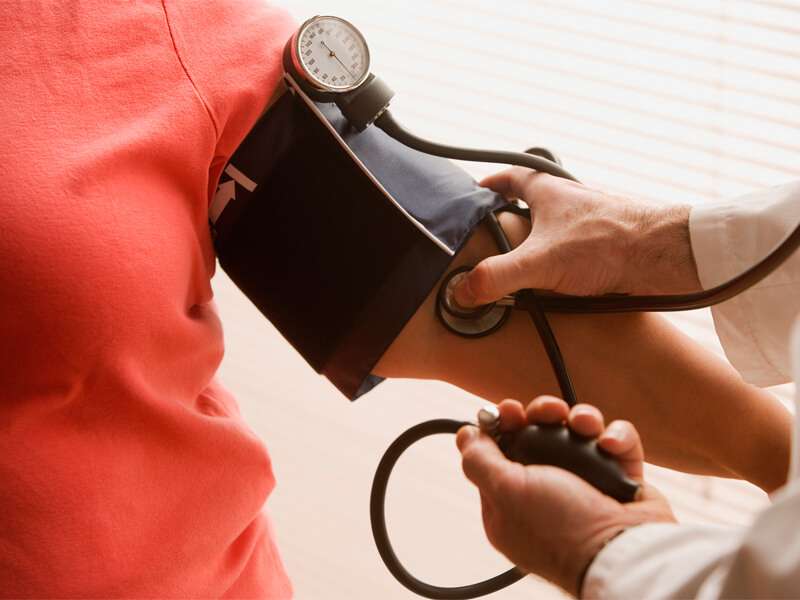
- Diagnosis: Blood pressure is measured using a sphygmomanometer during a routine check-up; multiple readings may be required to confirm the diagnosis.
- Treatment options: Lifestyle modifications such as weight loss, dietary changes (like reducing sodium intake), regular exercise, and medications may be utilized to manage hypertension effectively.
- What to expect: With effective management, blood pressure can often be controlled, reducing the risk of heart disease and stroke.
Regular follow-ups are essential to ensure effective control and adjust treatment as necessary.