
Dr Gaurish Shetty
About Me
Dr Gaurish Shetty
MBBS,MD
General Physician
16 Years Experience
Biography
My Clinic
OPD Hours
| Monday | Morning | 09:00 AM | ||
| Evening | 09:00 PM | |||
| Tuesday | Morning | 09:00 AM | ||
| Evening | 09:00 PM | |||
| Wednesday | Morning | 09:00 AM | ||
| Evening | 09:00 PM |
Treatments
Specialised care and treatments offered
THYROID DISORDERS
Thyroid disorders encompass conditions such as hypothyroidism and hyperthyroidism that affect hormone production by the thyroid gland. Effectively identifying these disorders encourages optimal metabolic function throughout the body.
- Symptoms : Patients may experience unexplained weight changes alongside irregular energy levels indicative of thyroid imbalance issues depending on specific conditions.
- Causes : Autoimmune diseases alongside iodine deficiency are significant contributors leading to thyroid dysfunction within populations globally.
- Diagnosis : Blood tests measuring thyroid hormone levels aid physicians in diagnosing these disorders accurately tailored towards personalized treatments required via laboratory evaluations available through outpatient facilities generally.
- Treatment : Regimen typically involves hormone replacement therapies coupled with regular monitoring ensuring that quantities remain stable transitioning appropriately across various phases needing adjustments throughout timeframes identified beforehand
With proper intervention methods instituted promptly anticipate enhanced overall well-being manifesting positive outcomes substantially encouraging liveliness accompanying vitality present within everyday lives subsequently sustained long-term accordingly thereafter instilling confidence moving forward day-to-day basis seamlessly optimally planned ahead intentionally cultivated nurturing surroundings positioned nourishing aspirations practically achievable long-lasting horizons unexpectedly revealed ultimately showing gratifying rewards eventually attained fulfilling predicaments successfully traversing vast territories unexplored inviting remarkable journeys embarking forward purposefully determined guiding illuminating pathways brightly shining forth
GASTROESOPHAGEAL REFLUX DISEASE (GERD)

This chronic digestive disorder occurs when stomach acid frequently flows back into the esophagus resulting in GERD. Timely management is crucial for avoiding potential complications associated with severe reflux symptoms over time.
- Symptoms : Commonly includes heartburn after meals or at night along with difficulty swallowing.
- Causes : Risk factors might encapsulate obesity, pregnancy hormonal shifts as well as certain medications contributing towards this reflux phenomenon.
- Diagnosis : Often diagnosed through an evaluation directed towards patient symptoms alongside endoscopy procedures in more complex cases.
- Treatment : Management typically involves lifestyle adjustments—like elevating the head during sleep—and possible prescriptions for antacids or proton pump inhibitors based on severity assessments.
Proper treatment fosters relief from uncomfortable symptoms helping patients reclaim their quality of life.
HYPERLIPIDEMIA

The term hyperlipidemia refers to elevated levels of lipids (fats) in the bloodstream. These abnormalities pose various health risks such as cardiovascular diseases if untreated.
- Symptoms: Usually asymptomatic; however, it may contribute to cardiovascular events in severe cases.
- Causes: Poor diet high in saturated fats and trans fats paired with sedentary lifestyles often lead to increased lipid levels in individuals.
- Diagnosis: A simple lipid panel blood test is conducted to measure cholesterol types (LDL & HDL) and triglycerides levels for diagnosis purposes.
- Treatment: Lifestyle changes including improved diet rich in omega-3 fatty acids coupled with statin medications when necessary help manage lipid levels effectively.
A comprehensive approach will help maintain healthy lipid profiles thus reducing risks associated with heart disease significantly over time.
ASTHMA MANAGEMENT
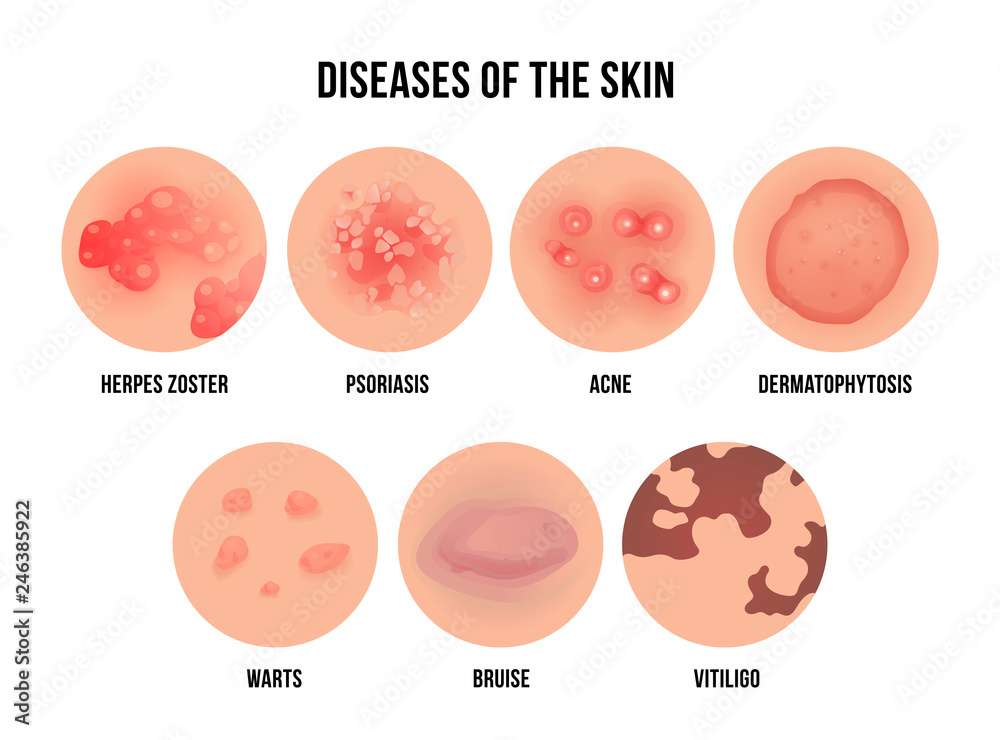
Asthma is a chronic respiratory condition marked by inflammation and narrowing of the airways. It can significantly affect daily activities if not efficiently managed.
- Symptoms: Wheezing, coughing (especially at night), chest tightness, and shortness of breath are typical signs of asthma flare-ups.
- Causes: Triggers may include allergens like dust mites or pollen, irritants like smoke or pollution, and respiratory infections.
- Diagnosis: Physicians utilize spirometry tests alongside patient histories to diagnose asthma accurately.
- Treatment: Asthma can be controlled using inhalers (both rescue and maintenance), avoiding triggers, and developing an action plan with healthcare providers.
An effective asthma management plan enables individuals to minimize symptoms and engage fully in their activities without interruption from asthma attacks.
DIABETES MANAGEMENT

Diabetes is a chronic condition characterized by high levels of sugar in the blood. Over time, it can cause serious health complications if not properly managed.
- Symptoms: Increased thirst, frequent urination, extreme fatigue, and blurred vision are common indicators of diabetes.
- Causes: This condition may arise due to genetic factors or lifestyle choices leading to insulin resistance or inadequate insulin production.
- Diagnosis: Blood tests such as fasting glucose or HbA1c tests are utilized for diagnosis.
- Treatment: Effective management includes dietary modifications, exercise regimens, monitoring blood sugar levels regularly, and medication when needed.
- What to expect: With diligent management strategies in place, it's possible to lead a healthy life while keeping diabetes under control.
A proactive approach can mitigate long-term effects on various organs and improve quality of life.
HYPERTENSION
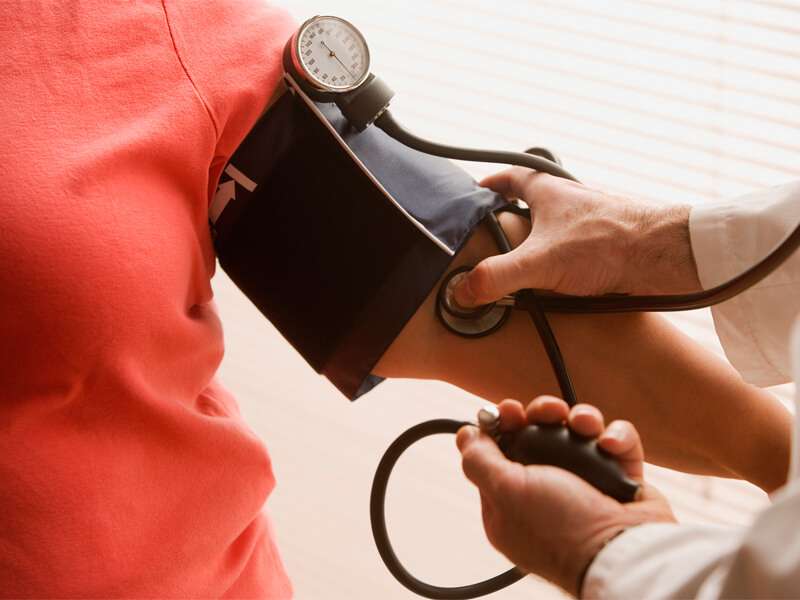
Hypertension, commonly known as high blood pressure, is a condition where the force of the blood against the artery walls is persistently elevated. It can lead to serious health issues if left uncontrolled.
- Symptoms: Often asymptomatic, but can include headaches, shortness of breath, and nosebleeds.
- Causes: Factors include genetics, poor diet, lack of physical activity, obesity, and excessive alcohol consumption.
- Diagnosis: Blood pressure readings taken during routine check-ups help in identifying the condition.
- Treatment: Management may involve lifestyle changes such as a healthier diet and regular exercise, along with medications like diuretics or ACE inhibitors if necessary.
- What to expect: Regular monitoring is essential to keep blood pressure levels within a healthy range and prevent complications.
Maintaining control over hypertension can significantly lower risks for heart disease, stroke, and kidney failure.