
Dr Gaurav Tehri
About Me
Dr Gaurav Tehri
MS
General Surgeons
10 Years Experience
Biography
My Clinic
OPD Hours
| Monday | Morning | 10:00 AM | - | 02:00 PM |
| Evening | 06:00 PM | - | 09:00 PM | |
| Tuesday | Morning | 10:00 AM | - | 02:00 PM |
| Evening | 06:00 PM | - | 09:00 PM | |
| Wednesday | Morning | 10:00 AM | - | 02:00 PM |
| Evening | 06:00 PM | - | 09:00 PM | |
| Thursday | Morning | 10:00 AM | - | 02:00 PM |
| Evening | 06:00 PM | - | 09:00 PM | |
| Friday | Morning | 10:00 AM | - | 02:00 PM |
| Evening | 06:00 PM | - | 09:00 PM | |
| Saturday | Morning | 10:00 AM | - | 02:00 PM |
| Evening | 06:00 PM | - | 09:00 PM | |
| Sunday | Morning | 10:00 AM | - | 02:00 PM |
| Evening | 06:00 PM | - | 09:00 PM |
Treatments
Specialised care and treatments offered
THYROID SURGERY
Surgery for thyroid conditions such as nodules or cancer may become necessary when non-invasive treatments are insufficient. Thyroid surgery aims both at removing problematic tissues while ensuring sufficient hormone function remains intact afterwards through careful preservation techniques employed during operations carried out today by trained professionals in modern settings
.- Key Signs: People experiencing swelling near their throat area coupled with changes regarding weight gain/loss could reflect potential thyroid problems prompting physicians’ investigation states requiring surgical remedy;
- Evaluations Needed Beforehand: Evaluating thyroid function via blood tests plus utilizing imaging studies allows healthcare providers clarity on needs present directing towards immediate corrective actions available should they decide proceeding forward takes precedence ;
- Types Of Procedures Available: Commonly performed surgeries include lobectomy (removal part) whereas total thyroidectomies involve complete gland extraction undertaken accordingly based upon diagnosed situations encountered following specialists’ opinions ;
Making informed decisions leads toward efficacious management resulting not just improved overall well-being but restored livelihoods long-term!
GALLBLADDER SURGERY

Surgery for gallbladder problems often addresses conditions like gallstones causing painful episodes. Gallbladder surgery can be necessary when conservative treatments fail or when complications arise. Understanding this procedure helps alleviate patient anxiety before undergoing treatment
.- Major Indicators: Symptoms frequently include intense abdominal pain triggered by eating fat-rich foods alongside other digestive disturbances such as bloating;
- Diagnostic Methods: Doctors usually perform ultrasound examinations complemented by blood tests detecting infections which help identify underlying issues requiring intervention;
- Surgical Options: Laparoscopic cholecystectomy remains popular due primarily due its minimal invasiveness allowing faster recovery than earlier techniques available;
- Recovery Expectations: Patients typically resume normal activities within weeks following their operation but should avoid fatty foods initially until healing progresses adequately ;
Taking positive steps towards your health means understanding what occurs throughout each stage involved during this type of important healthcare decision-making process!
BOWEL RESECTION
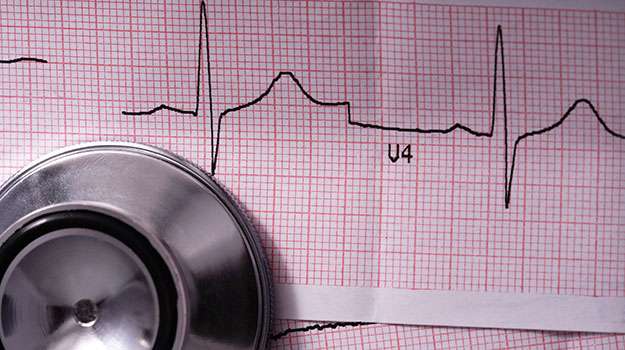
Bowel resection surgery involves removing a portion of the intestine due to conditions such as cancer, Crohn's disease, diverticulitis, or severe trauma. Depending on the size of resection required and its location within the bowel, this procedure may range from straightforward to complex operations.
- Causative Factors: Chronic inflammatory diseases can lead to strictures that necessitate surgical intervention along with tumors situated within the bowel itself.
- Disease Management: The decision for bowel resection typically follows comprehensive diagnostic procedures including colonoscopy and imaging studies such as CT scans or MRIs for accurate assessment.
CHOLECYSTECTOMY
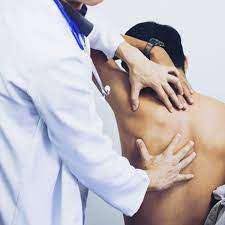
A cholecystectomy refers to the surgical removal of the gallbladder. This procedure is often indicated for patients suffering from gallstones that cause significant pain or infection. The gallbladder’s main function is to store bile produced by the liver until it is needed for digestion.
- Common Symptoms: Individuals may experience severe pain in the upper right abdomen after eating fatty meals alongside nausea or jaundice in more severe cases.
- Diagnostics: Diagnosis typically involves imaging tests like ultrasound or CT scans to confirm gallstones' presence and assess any inflammation.
- Surgical Procedure: The surgery can be performed using traditional open methods or laparoscopically for reduced recovery time and scarring.
- Post-Operative Care: After surgery, most patients are advised to adopt a low-fat diet temporarily while their body adjusts to digestion without a gallbladder.
This procedure is generally safe with high success rates in providing long-lasting relief from symptoms related to gallstone disease.
HERNIA REPAIR
Hernia repair involves surgical intervention to correct a hernia, which occurs when an internal organ protrudes through a weakened area in the abdominal wall. This condition can cause discomfort and may lead to serious health issues if not treated properly.
- Causes: Risk factors include heavy lifting, obesity, chronic cough, and prior surgeries that weaken abdominal muscles.
- Symptoms: Patients commonly report a visible bulge in the abdomen with associated pain or discomfort during activities.
- Surgical Approaches: Treatment methods include open surgery or minimally invasive laparoscopic techniques to secure the protruding tissue back into place.
- Recovery Outlook: Most individuals recover quickly with proper post-operative care and follow-up advice from their healthcare provider.
Surgical hernia repair is effective at relieving symptoms and preventing recurrence when performed by experienced surgeons.
APPENDECTOMY
An appendectomy is a common surgical procedure to remove the appendix, often necessary when it becomes inflamed or infected, leading to appendicitis. This condition can cause severe abdominal pain and if left untreated, may result in serious complications.
- Symptoms: Common signs include sharp pain in the lower right abdomen, nausea, vomiting, and fever.
- Diagnosis: Physicians typically diagnose appendicitis through physical examinations, blood tests, and imaging studies like ultrasounds or CT scans.
- Treatment Options: The primary treatment is surgery; however, antibiotics may be used initially for non-complicated cases.
- Expectations: Post-surgery, patients usually experience significant relief from symptoms and a relatively quick recovery period.
If you experience symptoms suggestive of appendicitis, seeking prompt medical attention is critical to prevent complications.