
Dr Gaurav Mangala
About Me
Dr Gaurav Mangala
MBBS
Dermatologist
10 Years Experience
Biography
My Clinic
OPD Hours
| Monday | Morning | 10:00 AM | - | 02:00 PM |
| Evening | 06:00 PM | - | 09:00 PM | |
| Tuesday | Morning | 10:00 AM | - | 02:00 PM |
| Evening | 06:00 PM | - | 09:00 PM | |
| Wednesday | Morning | 10:00 AM | - | 02:00 PM |
| Evening | 06:00 PM | - | 09:00 PM | |
| Thursday | Morning | 10:00 AM | - | 02:00 PM |
| Evening | 06:00 PM | - | 09:00 PM | |
| Friday | Morning | 10:00 AM | - | 02:00 PM |
| Evening | 06:00 PM | - | 09:00 PM | |
| Saturday | Morning | 10:00 AM | - | 02:00 PM |
| Evening | 06:00 PM | - | 09:00 PM | |
| Sunday | Morning | 10:00 AM | - | 02:00 PM |
| Evening | 06:00 PM | - | 09:00 PM |
Treatments
Specialised care and treatments offered
CRYOTHERAPY FOR WARTS
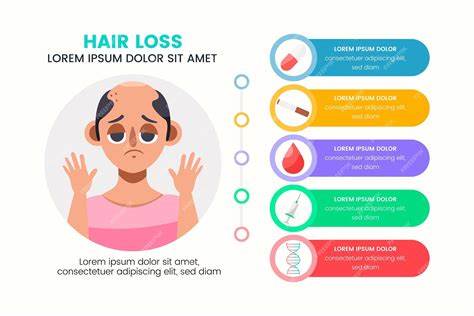
A common outpatient treatment that destroys warts using rapid freezing techniques targeting affected skin tissue specifically.
- Disease background: Warts result from viral infection causing rough, raised growths especially on hands and feet.
DERMAL FILLERS FOR SCAR REVISION
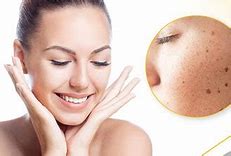
This cosmetic procedure aims at improving the appearance of certain types of scars by restoring volume beneath depressed areas of the skin.
- Candidates: Suitable for patients with atrophic (sunken) scars caused by acne or injury needing volume enhancement.
- The procedure: Injection of biocompatible materials like hyaluronic acid into scar depressions to elevate them level with surrounding skin surface.
- Treatment frequency: Results often apparent immediately but touch-up sessions may be required to maintain effect long-term.
- Safety considerations: Performed under sterile conditions; side effects include temporary redness or swelling which usually resolve quickly.
This minimally invasive method provides an effective solution for patients seeking a smoother complexion without surgical intervention.
PHOTODYNAMIC THERAPY (PDT)
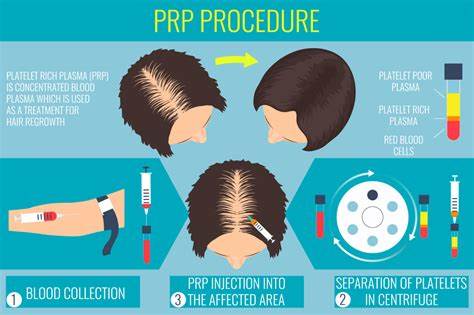
This innovative treatment utilizes a photosensitizing agent combined with a special light source to eliminate abnormal skin cells effectively.
- Main uses: Often employed to treat actinic keratosis, superficial basal cell carcinoma, and acne vulgaris.
- Treatment steps: Application of a photosensitizing cream followed by controlled exposure to blue or red light activates the medicine.
- Pain management: Mild discomfort during illumination can occur but is transient; analgesics may be advised prior to session.
- Post-treatment care: Sun avoidance is essential after therapy to prevent adverse reactions as skin remains sensitive.
PDT represents a non-invasive alternative that promotes selective destruction of diseased cells while sparing healthy tissue.
LASER THERAPY FOR PSORIASIS
A targeted use of laser light can help manage the symptoms of psoriasis by reducing inflammation and scaling in affected areas.
- Understanding psoriasis: A chronic autoimmune condition causing red, scaly patches typically on elbows, knees, scalp.
- How it works: Excimer and other specialized lasers deliver focused UV light to slow skin cell growth selectively.
- Treatment sessions: Usually multiple treatments are needed over weeks to months for visible improvement.
- Safety profile: Generally well tolerated with minimal discomfort; few side effects reported when properly administered.
This therapy offers an option when traditional topical treatments provide insufficient relief or are contraindicated.
MOHS MICROGRAPHIC SURGERY
This precise surgical technique is designed to treat certain types of skin cancer with the goal of complete removal while preserving healthy tissue.
- Causes and indications: Typically used for basal cell carcinoma and squamous cell carcinoma located in cosmetically sensitive or functionally critical areas.
- Diagnosis: Initial biopsy confirms cancer type and suitability for Mohs surgery.
- Treatment process: Surgical removal is performed layer-by-layer, each examined microscopically until margins are clear.
- Benefits: Offers highest cure rates with minimal loss of normal skin.
- Recovery expectations: Healing time varies; wound care and follow-up visits ensure optimal outcomes.
This approach balances aggressive cancer treatment with tissue conservation, making it a highly effective option for many patients.