
Dr Ganesh Shankar
About Me
Dr Ganesh Shankar
MBBS
General Physician
10 Years Experience
Biography
My Clinic
OPD Hours
| Monday | Morning | 10:00 AM | - | 02:00 PM |
| Evening | 06:00 PM | - | 09:00 PM | |
| Tuesday | Morning | 10:00 AM | - | 02:00 PM |
| Evening | 06:00 PM | - | 09:00 PM | |
| Wednesday | Morning | 10:00 AM | - | 02:00 PM |
| Evening | 06:00 PM | - | 09:00 PM | |
| Thursday | Morning | 10:00 AM | - | 02:00 PM |
| Evening | 06:00 PM | - | 09:00 PM | |
| Friday | Morning | 10:00 AM | - | 02:00 PM |
| Evening | 06:00 PM | - | 09:00 PM | |
| Saturday | Morning | 10:00 AM | - | 02:00 PM |
| Evening | 06:00 PM | - | 09:00 PM | |
| Sunday | Morning | 10:00 AM | - | 02:00 PM |
| Evening | 06:00 PM | - | 09:00 PM |
Treatments
Specialised care and treatments offered
ELECTROCARDIOGRAM (ECG) EVALUATION
An Electrocardiogram (ECG) records the electrical activity of the heart providing insights into heart rhythm and function. It is one of the most common investigations performed in general practice settings.
- When it’s recommended: Patients presenting with chest pain , palpitations , dizziness , or pre-existing cardiac risk factors undergo ECG assessment .
- The procedure: Non-invasive wire electrodes placed on chest , arms , legs capture electrical impulses generating waveforms .
- Diagnostic value: Detects arrhythmias , ischemia (reduced blood flow) , past heart attacks ; assists in planning appropriate therapy .
- Follow-up importance: May be repeated periodically for monitoring known cardiac conditions ensuring stable heart health .
Timely ECG evaluation enables accurate diagnosis helping prevent serious cardiac events with suitable treatment strategies .
LIVER FUNCTION TESTS (LFT)

Liver Function Tests are vital in evaluating how well the liver performs its critical roles including detoxification and protein synthesis. These tests help uncover liver disease before symptoms become severe.
- Syndromes often associated: Jaundice, abdominal pain or unexplained fatigue may indicate liver dysfunction prompting these tests.
- The parameters measured include: Enzymes like ALT, AST; bilirubin levels; albumin concentration; prothrombin time among others provide insight into liver health status.
- The significance of results interpretation: Abnormal values can indicate hepatitis infections, alcohol-related damage or fatty liver disease requiring further diagnostics or lifestyle changes.
- Treatment direction: Based on findings doctors may recommend medication adjustments , dietary guidance , or referral for specialized care .
Early identification through LFTs enhances outcomes by initiating prompt management .
THYROID FUNCTION TESTING
The thyroid gland influences numerous body functions through hormone secretion. Assessing thyroid function helps detect disorders that affect metabolism significantly.
- Main symptoms prompting testing: Fatigue, weight changes, mood shifts, temperature sensitivity suggest possible hypothyroidism or hyperthyroidism.
- The tests performed: Blood assays measuring TSH (thyroid-stimulating hormone), Free T4 and occasionally Free T3 hormones levels provide a comprehensive overview.
- Treatment implications: Hypothyroidism generally requires hormone replacement therapy while hyperthyroidism might need medications to reduce hormone production or other interventions.
- Lifelong implications: Regular monitoring ensures adequate hormone balance preventing further complications affecting heart rate or bone density.
An accurate thyroid evaluation supports tailored treatments ensuring symptom relief and improved quality of life.
COMPLETE BLOOD COUNT (CBC) ANALYSIS
A Complete Blood Count (CBC) test provides valuable information about your overall health by evaluating various components of your blood. It is frequently used in routine examinations and illness evaluations.
- What it assesses: Counts of red blood cells, white blood cells, hemoglobin levels, hematocrit, and platelets to detect abnormalities.
- Common reasons for testing: Fatigue, infections, bleeding disorders, anemia suspicion or monitoring ongoing conditions.
- How it helps diagnosis: Identifies infections, anemia types, clotting problems, or bone marrow diseases based on cell count variations.
- The process involved: A small sample of blood is drawn from a vein; results usually available within hours to days depending on the facility.
This test serves as an essential tool in diagnosing many medical conditions early on for timely treatment planning.
TYPE 2 DIABETES SCREENING AND CARE

Type 2 diabetes is a chronic metabolic disorder marked by high blood sugar levels. Early detection plays a vital role in preventing complications.
- Causes and risk factors: Include obesity, sedentary lifestyle, family history, and poor diet.
- Diagnostic methods: Blood tests such as fasting glucose levels, HbA1c test to assess average blood sugar concentration over months.
- Treatment options: Lifestyle adjustments like weight loss and balanced meals combined with oral medications or insulin therapy if needed.
- Lifelong monitoring: Regular check-ups assess blood sugar control and screen for associated issues like neuropathy or kidney damage.
A proactive approach to screening enables timely intervention and effective management of this condition.
HYPERTENSION MANAGEMENT
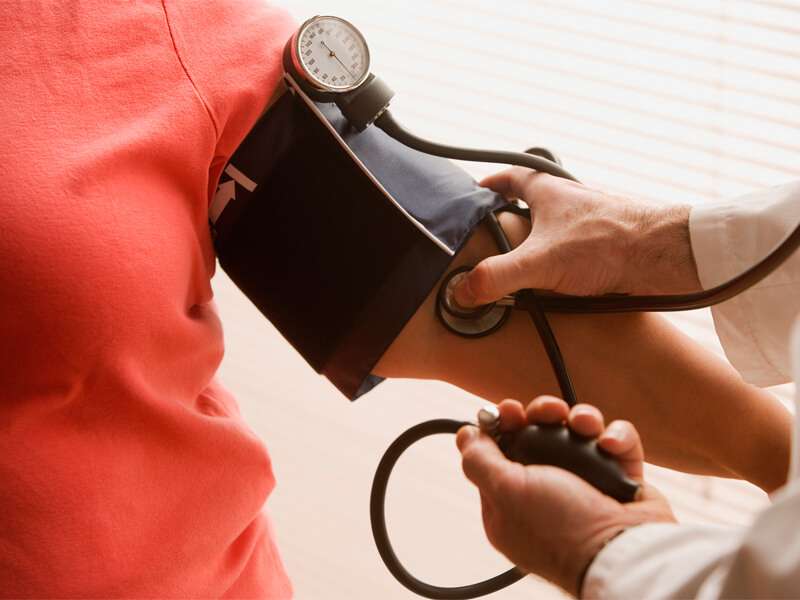
High blood pressure is a common condition that can lead to serious health complications if not properly managed. Understanding and controlling blood pressure is essential for long-term cardiovascular health.
- Symptoms and causes: Often called the 'silent killer' as it may show no symptoms; caused by factors such as genetics, diet, stress, and lifestyle.
- Diagnosis: Measured through regular blood pressure readings using a sphygmomanometer; multiple readings over time confirm diagnosis.
- Treatment and management: Includes lifestyle modifications like diet and exercise, alongside medications such as ACE inhibitors or diuretics when necessary.
- Monitoring: Routine follow-ups are crucial to adjust treatment and prevent complications like heart disease or stroke.
Maintaining controlled blood pressure reduces health risks significantly and promotes overall well-being.