
Dr Ganesh Nigam,
About Me
Dr Ganesh Nigam,
MBBS
General Physician
10 Years Experience
Biography
My Clinic
OPD Hours
| Monday | Morning | 10:00 AM | - | 02:00 PM |
| Evening | 06:00 PM | - | 09:00 PM | |
| Tuesday | Morning | 10:00 AM | - | 02:00 PM |
| Evening | 06:00 PM | - | 09:00 PM | |
| Wednesday | Morning | 10:00 AM | - | 02:00 PM |
| Evening | 06:00 PM | - | 09:00 PM | |
| Thursday | Morning | 10:00 AM | - | 02:00 PM |
| Evening | 06:00 PM | - | 09:00 PM | |
| Friday | Morning | 10:00 AM | - | 02:00 PM |
| Evening | 06:00 PM | - | 09:00 PM | |
| Saturday | Morning | 10:00 AM | - | 02:00 PM |
| Evening | 06:00 PM | - | 09:00 PM | |
| Sunday | Morning | 10:00 AM | - | 02:00 PM |
| Evening | 06:00 PM | - | 09:00 PM |
Treatments
Specialised care and treatments offered
SEASONAL ALLERGIC RHINITIS CARE
This allergy commonly flares up during certain seasons due to pollen exposure causing nasal congestion and discomfort. Management focuses on symptom relief and avoidance strategies where feasible.
- Identifying symptoms: Sneezing fits, itchy eyes/nose/throat alongside watery nasal discharge characterize this condition.
- How diagnosis is made: Clinical evaluation supported by allergy testing clarifies triggers involved. Therapeutic options: Antihistamines orally or nasally administered corticosteroids reduce inflammation; saline nasal sprays aid mucus clearance.
- Preventive measures: Minimizing outdoor exposure during high pollen periods plus air filtration indoors may lessen episodes.
Consistent adherence to treatment regimens typically results in substantial improvement allowing patients more comfortable daily functioning during allergy seasons.
ANEMIA DIAGNOSIS AND MANAGEMENT

Anemia occurs when the body lacks sufficient healthy red blood cells to carry adequate oxygen. Recognizing this condition early is important to reverse symptoms such as fatigue and weakness effectively.
- Causes include: nutritional deficiencies (iron, B12), chronic diseases or blood loss from various sources.
- Diagnostic procedure: Complete blood count (CBC) test identifies low hemoglobin/hematocrit values confirming anemia.
- Treatment plans: Supplementation of deficient nutrients along with addressing underlying disorders forms the cornerstone.
- Monitoring progress: Follow-up tests evaluate response to therapy ensuring restoration of normal red cell counts.
Prompt intervention generally improves patient energy levels achieving better quality of life while preventing severe outcomes such as heart strain.
THYROID FUNCTION DISORDER EVALUATION
The thyroid gland plays a key role in metabolism regulation. Disorders can manifest as either underactive or overactive thyroid states requiring specific management strategies.
- Main symptoms: Fatigue, weight changes, temperature intolerance depending on hypo- or hyperthyroidism respectively.
- Diagnostic tests: Blood assays measuring TSH, T3 and T4 hormone levels provide definitive diagnosis supports clinical findings.
- Treatment options: Hormone replacement for hypothyroidism; anti-thyroid drugs for hyperthyroidism under monitoring protocols.
- Lifelong follow-up: Regular lab checks ensure doses remain appropriate avoiding potential complications like cardiac problems or bone loss.
UPPER RESPIRATORY TRACT INFECTION (URTI) TREATMENT
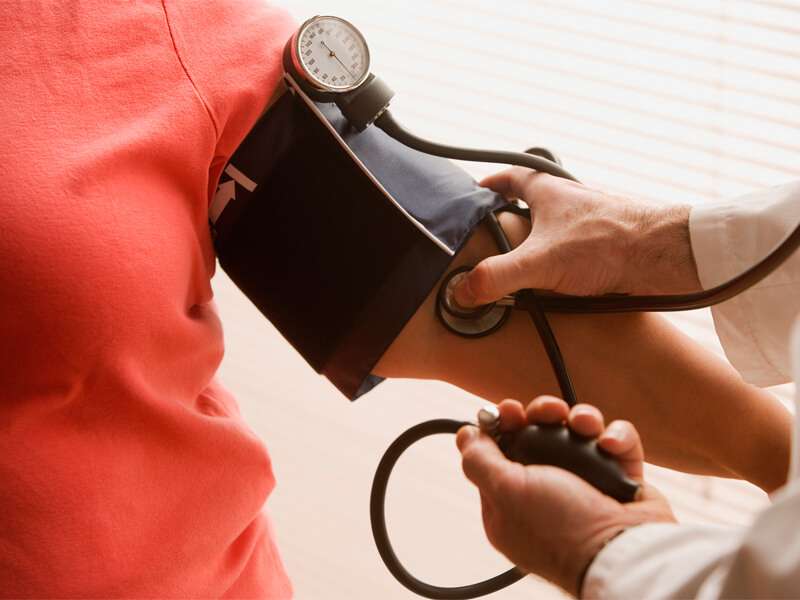
The common cold or other upper respiratory infections affect many people annually. Understanding the condition aids in proper symptom relief and prevention of secondary issues.
- Symptoms include: Sneezing, sore throat, runny nose, cough, mild fever among others caused by viral agents.
- Diagnosis approach: Primarily clinical based on history and physical exam; laboratory tests rarely necessary unless complications arise.
- Treatment strategy: Symptomatic relief with fluids, rest, antipyretics; antibiotics avoided unless bacterial infection suspected.
- Caution points: Watch for worsening symptoms like high fever or breathing difficulty which require prompt medical attention.
A majority recover fully within one to two weeks with supportive care. Preventive measures including hand hygiene help reduce transmission risk significantly.
TYPE 2 DIABETES MELLITUS CARE

Type 2 diabetes affects how your body processes blood sugar. Proper care is essential to avoid complications such as nerve damage and cardiovascular issues.
- Causes: Insulin resistance often related to obesity, poor diet, physical inactivity, and family history.
- Diagnosis: Blood tests including fasting glucose and HbA1c levels confirm the condition.
- Treatment approaches: Diet adjustments, regular physical activity, oral hypoglycemics or insulin therapy in some cases.
- Lifestyle coaching: Education on managing daily glucose levels and preventing hypoglycemia is key.
- Long-term monitoring: Periodic evaluations prevent or detect early complications like eye or kidney damage.
A comprehensive care plan tailored individually helps maintain stable blood sugar levels and quality of life for those living with type 2 diabetes.
HYPERTENSION MANAGEMENT
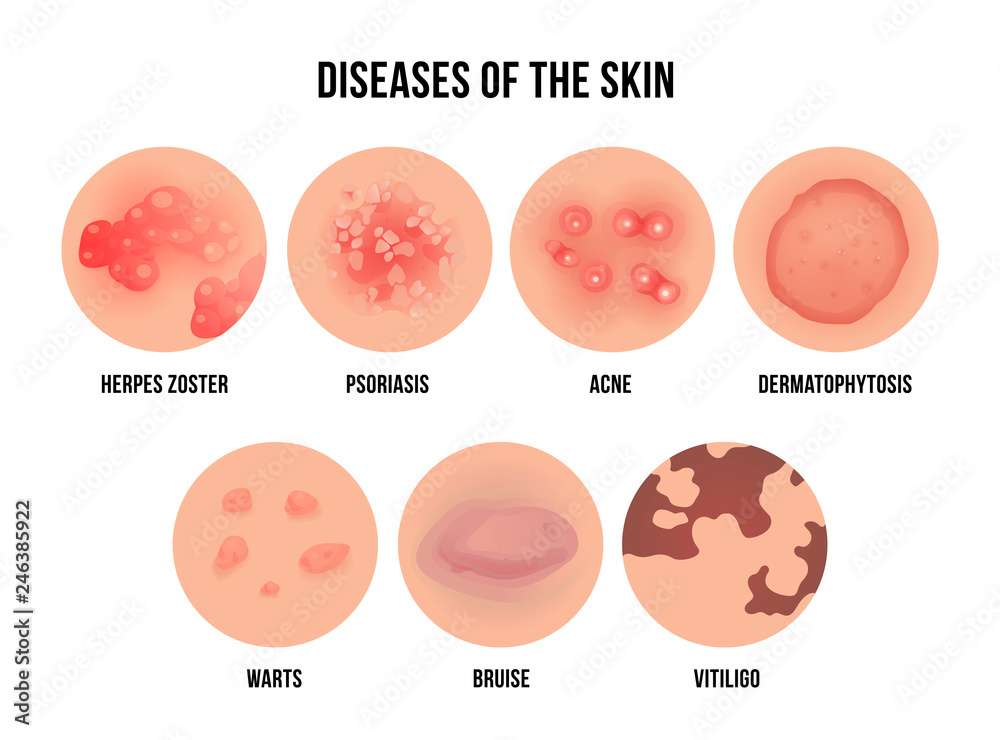
High blood pressure is a common condition that, if untreated, can lead to serious health complications. Managing blood pressure effectively is crucial for preventing heart disease and stroke.
- Symptoms and causes: Often called the 'silent killer' because it may have no symptoms; factors include genetics, diet, stress, and sedentary lifestyle.
- Diagnosis: Multiple readings using a sphygmomanometer over several visits to confirm elevated levels.
- Treatment options: Lifestyle changes such as diet and exercise, along with prescribed medications like ACE inhibitors or diuretics.
- Monitoring: Regular follow-up appointments to adjust therapy and monitor blood pressure control.
- Expectations: With consistent management, patients can reduce risks for heart attacks and strokes significantly.
Maintaining good blood pressure control through a combination of medical treatment and lifestyle modifications ensures better overall cardiovascular health.