
Dr Gajraj Yadav
About Me
Dr Gajraj Yadav
MS
Orthopaedic Surgeons
10 Years Experience
Biography
My Clinic
OPD Hours
| Monday | Morning | 10:00 AM | - | 02:00 PM |
| Evening | 06:00 PM | - | 09:00 PM | |
| Tuesday | Morning | 10:00 AM | - | 02:00 PM |
| Evening | 06:00 PM | - | 09:00 PM | |
| Wednesday | Morning | 10:00 AM | - | 02:00 PM |
| Evening | 06:00 PM | - | 09:00 PM | |
| Thursday | Morning | 10:00 AM | - | 02:00 PM |
| Evening | 06:00 PM | - | 09:00 PM | |
| Friday | Morning | 10:00 AM | - | 02:00 PM |
| Evening | 06:00 PM | - | 09:00 PM | |
| Saturday | Morning | 10:00 AM | - | 02:00 PM |
| Evening | 06:00 PM | - | 09:00 PM | |
| Sunday | Morning | 10:00 AM | - | 02:00 PM |
| Evening | 06:00 PM | - | 09:00 PM |
Treatments
Specialised care and treatments offered
CARPAL TUNNEL RELEASE
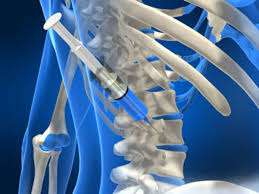
This procedure alleviates pressure on the median nerve by addressing compression occurring in the wrist's carpal tunnel. It is particularly effective for treating carpal tunnel syndrome symptoms associated with repetitive hand motions or underlying medical conditions.
TENDON REPAIR
Tendon repair procedures address injuries involving tendons that connect muscles to bones. These repairs can be critical for restoring function following acute injuries or degenerative conditions affecting tendon integrity.
- Symptoms: Symptoms usually include pain localized around joints or difficulty moving particular limbs due to tendon damage.
- Diagnosis : Diagnosis generally requires physical examination along with advanced imaging techniques such as MRI scans which help visualize tears within tendons .
- Treatment Options : Repair methods range from stitch-like closures for small tears up through more complex reconstructions depending upon injury severity .
Post-op care varies but rehabilitation helps regain strength effectively once healed from initial intervention .
MINIMALLY INVASIVE SPINE SURGERY

This approach encompasses advanced techniques designed to treat spinal conditions while minimizing recovery time. By using smaller incisions, surgeons can reduce trauma to surrounding tissues during operations on the spine.
- Symptoms: Conditions like herniated discs often present with back pain radiating down limbs due to nerve compression.
- Diagnosis: Diagnosis includes a physical exam and imaging tests like X-rays or MRIs that pinpoint deformities or injuries in the spine structure.
- Treatment Options: Techniques include discectomy and spinal fusion among others that target specific issues without extensive surgery.
JOINT INJECTIONS

Joint injections are a common non-surgical method used to relieve pain and inflammation in various joints. This procedure delivers medications directly into the joint space for effective pain management.
- Symptoms: Patients often report joint stiffness, swelling, or persistent pain that interferes with daily activities.
- Diagnosis: A clinician will assess symptoms and may utilize imaging studies to confirm diagnosis before proceeding with injections.
- Treatment Options: Commonly injected substances include corticosteroids or hyaluronic acid aimed at reducing inflammation or providing lubrication.
- What to Expect: Many patients experience immediate relief following injections although effects may vary depending on the condition treated;
This method can significantly improve quality of life without necessitating invasive surgical procedures.
PLATELET-RICH PLASMA (PRP) THERAPY

PRP therapy is an innovative treatment designed to promote healing in orthopedic injuries by utilizing the patient's own blood components. It focuses on enhancing the body's natural healing processes through concentrated platelets rich in growth factors.
- Symptoms: Common indications include chronic pain from tendonitis or ligament issues.
- Diagnosis: A thorough evaluation by a healthcare provider helps determine eligibility for PRP therapy.
- Treatment Options: The procedure involves drawing blood from the patient, separating the platelets, and injecting them into the affected area.
- What to Expect: Patients may notice improvements in symptoms over several weeks as healing takes place.
This treatment has shown promise in reducing inflammation and accelerating recovery from injuries or surgeries.
ARTHROSCOPY

Arthroscopy is a minimally invasive surgical procedure used to diagnose and treat various joint conditions. It involves the use of a small camera inserted into the joint through tiny incisions, allowing for detailed visualization of the internal structures.
- Symptoms: Patients often experience joint pain, swelling, and restricted movement.
- Diagnosis: Diagnosis typically involves patient history, physical examinations, and imaging tests such as MRI.
- Treatment Options: Arthroscopy can be used to remove damaged tissue, repair ligaments, or even smooth out rough cartilage surfaces.
- What to Expect: The recovery time varies; however, many patients return to normal activity within weeks due to less tissue damage compared to open surgery.
This technique allows for quicker recovery times and less post-operative discomfort compared to traditional surgical methods.