
DR Gajendra Sing
About Me
DR Gajendra Sing
MBBS
Diabetologist
10 Years Experience
Biography
My Clinic
OPD Hours
| Monday | Morning | 10:00 AM | - | 02:00 PM |
| Evening | 06:00 PM | - | 09:00 PM | |
| Tuesday | Morning | 10:00 AM | - | 02:00 PM |
| Evening | 06:00 PM | - | 09:00 PM | |
| Wednesday | Morning | 10:00 AM | - | 02:00 PM |
| Evening | 06:00 PM | - | 09:00 PM | |
| Thursday | Morning | 10:00 AM | - | 02:00 PM |
| Evening | 06:00 PM | - | 09:00 PM | |
| Friday | Morning | 10:00 AM | - | 02:00 PM |
| Evening | 06:00 PM | - | 09:00 PM | |
| Saturday | Morning | 10:00 AM | - | 02:00 PM |
| Evening | 06:00 PM | - | 09:00 PM | |
| Sunday | Morning | 10:00 AM | - | 02:00 PM |
| Evening | 06:00 PM | - | 09:00 PM |
Treatments
Specialised care and treatments offered
LIFESTYLE MODIFICATION COUNSELING
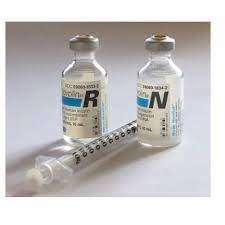
The foundation of managing any form of diabetes lies in adopting healthy lifestyle changes. Counseling helps individuals understand how physical activity, weight control, and stress management influence their condition fundamentally.
ORAL HYPOGLYCEMIC AGENTS
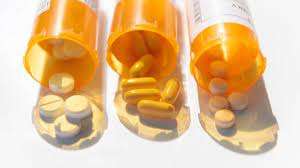
Treatment of type 2 diabetes often involves medications taken orally that help regulate blood sugar without injections. These oral hypoglycemic agents work through different mechanisms targeting insulin resistance or production deficits.
FOOT CARE MANAGEMENT IN DIABETIC PATIENTS
The risk of foot complications increases significantly among people living with diabetes due to nerve damage and impaired circulation. Regular foot care management is essential to prevent serious outcomes like infections or ulcers.
- Sensory testing: Routine examination identifies loss of protective sensation that predisposes one to injuries unnoticed by the patient.
- Skin inspection: Checking for dryness, cracks, calluses, or wounds that may become entry points for infections.
- Nail care advice: Proper trimming techniques reduce trauma risk from ingrown nails or cuts.
- Shoe fitting guidance: Wearing well-fitting footwear minimizes pressure points preventing sores formation on feet soles or toes.
DIETARY COUNSELING FOR DIABETES
A balanced diet plays a pivotal role in controlling diabetes. Dietary counseling focuses on educating patients about food choices that stabilize blood sugar levels and promote overall health.
- Nutritional assessment: Analyzing current eating habits to identify areas for improvement specific to diabetes management.
- Main goals: Regulate carbohydrate intake, encourage high-fiber foods, and balance macronutrients appropriately.
- Lifestyle integration: Tailoring meal plans considering cultural preferences, budget, and daily routines enhances adherence.
- Sugar impact awareness: Emphasizing avoidance of simple sugars and processed foods helps prevent spikes in glucose levels.
- Mental health benefits: Proper nutrition supports energy stability which positively affects mood and motivation for self-care.
A structured dietary plan developed with expert guidance can empower patients to achieve better glycemic control safely over time.
INSULIN PUMP THERAPY
Insulin pump therapy delivers insulin continuously through a small device attached to the body, offering an alternative to multiple daily injections. It helps maintain steady blood glucose levels more precisely.
- Mechanism: The pump administers rapid-acting insulin via a catheter placed under the skin.
- Candidates: Suitable for patients needing flexible insulin dosing and better glycemic control.
- Advantages: Allows customized basal rates and bolus doses tailored to meals or activity levels.
- Monitoring: Requires consistent blood sugar tracking alongside device management for optimal efficacy.
- User considerations: Training on pump operation and troubleshooting is essential before starting therapy.
This technology can improve lifestyle flexibility while reducing glucose variability when used correctly under medical supervision.
CONTINUOUS GLUCOSE MONITORING (CGM)
Managing diabetes effectively requires close monitoring of blood sugar levels, and Continuous Glucose Monitoring (CGM) offers a modern approach. This technology provides real-time glucose readings throughout the day and night.
- What it detects: CGM tracks glucose fluctuations continuously rather than at single points in time.
- How it works: A small sensor is placed under the skin to measure interstitial glucose levels, transmitting data to a receiver or smartphone.
- Benefits: Helps identify patterns, prevents dangerous highs and lows, and aids in adjusting treatment plans dynamically.
- Ideal candidates: People with type 1 or type 2 diabetes who require tight glucose control or have hypoglycemia unawareness.
- Expectations: Most users wear sensors for several days, replacing them periodically; training is provided for proper use and interpretation of results.
This minimally invasive tool is crucial in enhancing daily diabetes management decisions and improving long-term outcomes.