
Dr Dutiman
About Me
Dr Dutiman
MBBS
General Physician
10 Years Experience
Biography
My Clinic
OPD Hours
| Monday | Morning | 10:00 AM | - | 02:00 PM |
| Evening | 06:00 PM | - | 09:00 PM | |
| Tuesday | Morning | 10:00 AM | - | 02:00 PM |
| Evening | 06:00 PM | - | 09:00 PM | |
| Wednesday | Morning | 10:00 AM | - | 02:00 PM |
| Evening | 06:00 PM | - | 09:00 PM | |
| Thursday | Morning | 10:00 AM | - | 02:00 PM |
| Evening | 06:00 PM | - | 09:00 PM | |
| Friday | Morning | 10:00 AM | - | 02:00 PM |
| Evening | 06:00 PM | - | 09:00 PM | |
| Saturday | Morning | 10:00 AM | - | 02:00 PM |
| Evening | 06:00 PM | - | 09:00 PM | |
| Sunday | Morning | 10:00 AM | - | 02:00 PM |
| Evening | 06:00 PM | - | 09:00 PM |
Treatments
Specialised care and treatments offered
ACUTE UPPER RESPIRATORY TRACT INFECTION CARE
This common condition involves inflammation of the nose, throat, or sinuses typically caused by viral infections. Though usually mild, addressing symptoms enhances comfort during recovery.
- Typical symptoms & causes :Runny nose , sore throat , cough , fever frequently triggered by viruses transmitted through droplets .
- Diagnosis :Clinical evaluation based on history & physical exam without need for extensive testing unless complications suspected .
- Management :Supportive care including rest , hydration , antipyretics ; antibiotics reserved only if bacterial infection confirmed .
- Preventive advice :Hand hygiene , avoiding close contact reduce spread risk .
Most individuals recover fully within 7-10 days with self-care measures; early medical consultation advised if severe symptoms develop .
ANEMIA EVALUATION AND MANAGEMENT

Anemia is a condition marked by decreased red blood cell count or hemoglobin leading to reduced oxygen delivery across the body. Understanding its causes helps guide treatment effectively.
- Causes & symptoms :Fatigue , pallor , shortness of breath , caused by nutritional deficiencies , chronic diseases , or bleeding .
- Diagnostic steps :Complete blood count (CBC) identifies anemia type ; additional tests probe underlying cause .
- Treatment options :Iron supplements for iron-deficiency anemia ; vitamin B12 or folate for other types ; treating primary disease if applicable .
- Monitoring & expectations :Periodic lab checks evaluate response ; symptom improvement expected within weeks after therapy initiation .
Proper identification followed by targeted intervention restores oxygen carrying capacity improving quality of life safely .
HYPOTHYROIDISM TREATMENT

An underactive thyroid gland fails to produce enough hormones vital for metabolism regulation. Recognizing this imbalance is important for maintaining normal bodily functions.
- S&S & causes : Fatigue, weight gain, cold intolerance; commonly caused by autoimmune thyroiditis or iodine deficiency.
- Diagnostic tests : Blood measurement of TSH and free T4 levels confirms hypothyroidism presence and severity.
- Therapeutic approach : Lifelong daily hormone replacement therapy with levothyroxine restores hormone balance effectively. Monitoring :Regular follow-up blood work adjusts dosage based on clinical response.
- Outcome :Most patients experience symptom resolution with consistent treatment adherence .
Adequate treatment permits return to normal energy levels , metabolism , and day-to-day functioning .
CHRONIC OBSTRUCTIVE PULMONARY DISEASE (COPD) MANAGEMENT
COPD is a progressive lung disease characterized by airflow limitation that interferes with normal breathing. Early recognition helps manage symptoms better.
- Main symptoms/causes: Persistent cough, shortness of breath, smoking history primarily contribute to disease development.
- Diagnosis process: Pulmonary function tests including spirometry confirm airflow obstruction severity.
- Treatment modalities: Smoking cessation support, bronchodilators, steroids inhalers help control symptoms.
- Lifestyle advice: Pulmonary rehabilitation exercises improve respiratory muscle strength and quality of life.
The goal is to slow progression and relieve respiratory distress through tailored interventions addressing individual patient needs.
TYPE 2 DIABETES MELLITUS CARE

This metabolic disorder results in elevated blood glucose levels due to insulin resistance or deficiency. Managing it effectively is vital for overall health.
- Symptoms/causes: Symptoms include increased thirst, frequent urination, fatigue; risk factors are obesity, sedentary lifestyle, family history.
- Diagnosis methods: Blood tests like fasting glucose and HbA1c assess diabetic status.
- Treatment approaches: Includes dietary regulation, regular physical activity, oral hypoglycemics or insulin therapy as needed.
- Lifestyle modification: Weight management and consistent exercise improve insulin sensitivity.
- Prognosis expectations: Proper control can prevent complications such as neuropathy, nephropathy, and cardiovascular disease.
A personalized approach combining medication with lifestyle adjustments supports effective diabetes control over the long term.
HYPERTENSION MANAGEMENT
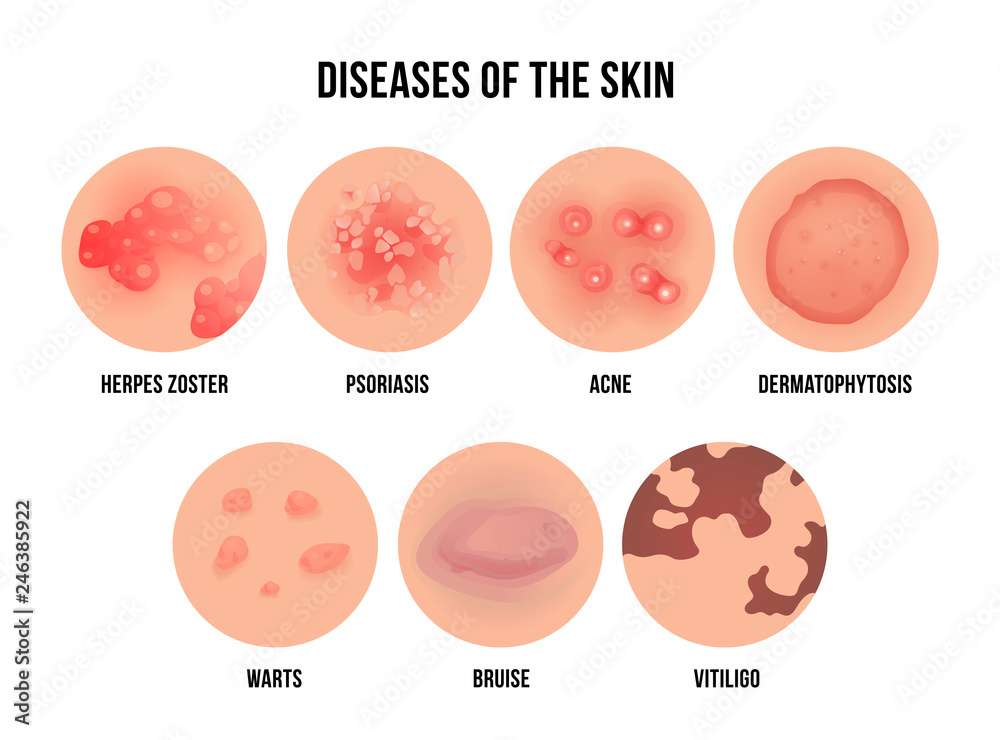
High blood pressure is a common chronic condition that can lead to serious health issues if left untreated. It often develops silently and requires ongoing attention to minimize risks.
- Symptoms and causes: Often symptomless but may include headaches or dizziness; causes include genetics, diet, stress, obesity, and inactivity.
- Diagnosis: Confirmed by multiple blood pressure readings using a sphygmomanometer over time.
- Treatment options: Lifestyle changes such as diet and exercise, along with prescribed antihypertensive medications.
- Management: Regular monitoring and adherence to treatment plans are crucial for effective control.
- Expectations: With proper management, complications like stroke and heart disease can be significantly reduced.
Caring for high blood pressure involves a partnership between patient and healthcare provider to maintain healthy levels and prevent long-term damage.