
Dr DS Gaur
About Me
Dr DS Gaur
MBBS
General Physician
10 Years Experience
Biography
My Clinic
OPD Hours
| Monday | Morning | 10:00 AM | - | 02:00 PM |
| Evening | 06:00 PM | - | 09:00 PM | |
| Tuesday | Morning | 10:00 AM | - | 02:00 PM |
| Evening | 06:00 PM | - | 09:00 PM | |
| Wednesday | Morning | 10:00 AM | - | 02:00 PM |
| Evening | 06:00 PM | - | 09:00 PM | |
| Thursday | Morning | 10:00 AM | - | 02:00 PM |
| Evening | 06:00 PM | - | 09:00 PM | |
| Friday | Morning | 10:00 AM | - | 02:00 PM |
| Evening | 06:00 PM | - | 09:00 PM | |
| Saturday | Morning | 10:00 AM | - | 02:00 PM |
| Evening | 06:00 PM | - | 09:00 PM | |
| Sunday | Morning | 10:00 AM | - | 02:00 PM |
| Evening | 06:00 PM | - | 09:00 PM |
Treatments
Specialised care and treatments offered
SEASONAL ALLERGIC RHINITIS CARE
This allergy condition involves nasal inflammation due to airborne allergens such as pollen resulting in sneezing fits and congestion especially during certain seasons. Awareness helps mitigate its effects effectively.
GASTROESOPHAGEAL REFLUX DISEASE (GERD) MANAGEMENT

The backflow of stomach acids into the esophagus known as GERD leads to discomfort such as heartburn. Addressing it early prevents damage to the esophageal lining.
- Main symptoms & causes: Heartburn after meals, acid taste in the mouth; often triggered by fatty foods, caffeine or lying down post eating.
- Diagnosis protocols: Clinical assessment supported by endoscopy if persistent symptoms exist to evaluate extent of irritation or complications.
OBESITY MANAGEMENT

The medical condition of obesity involves excessive body fat accumulation presenting health risks. Sustainable weight loss improves overall well-being markedly.
- Causative factors: Primarily results from caloric imbalance due to overeating combined with sedentary habits; genetic influences also play a role.
- Evaluation methods: Body mass index (BMI) assessments along with waist circumference measurements gauge obesity severity.
- Treatment focus: Emphasis on gradual lifestyle changes including nutritious diet plans, increased physical activity, behavioral therapy support where applicable.
- Additional considerations: Medical evaluation for comorbidities like diabetes or hypertension is important during management planning.
Lifestyle transformation remains the cornerstone of effective obesity treatment aiming for long-term health benefits beyond just weight reduction alone.
CHRONIC OBSTRUCTIVE PULMONARY DISEASE (COPD) SUPPORT
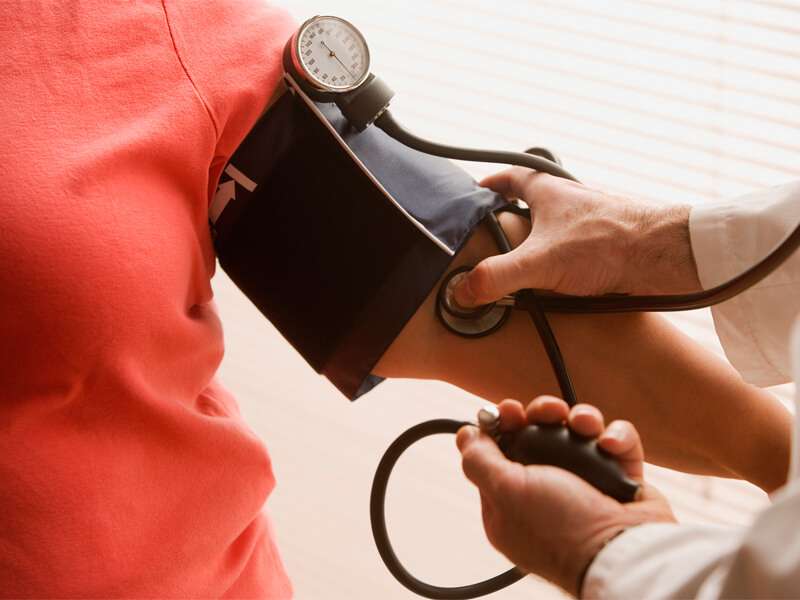
COPD encompasses lung diseases that obstruct airflow leading to breathing difficulties. Early recognition and consistent treatment are vital for stabilizing symptoms.
- Signs and causes: Symptoms include chronic cough, shortness of breath, wheezing; largely linked to smoking and environmental pollutants.
- Diagnostic approach: Pulmonary function tests measure lung capacity and airflow obstruction severity.
- Treatment modalities: Smoking cessation is key; bronchodilators, inhaled steroids, pulmonary rehabilitation help improve lung function.
- Lifestyle considerations: Avoiding irritants and staying active aid symptom relief alongside medical therapy.
A well-structured care plan aimed at reducing flare-ups can significantly enhance respiratory function and daily comfort in COPD patients.
TYPE 2 DIABETES MELLITUS CARE

Type 2 diabetes is a metabolic disorder characterized by elevated blood sugar levels due to insulin resistance. Proper management helps avoid serious complications.
- Causes and symptoms: Includes genetic predisposition and lifestyle factors; symptoms may involve increased thirst, frequent urination, fatigue, and blurred vision.
- Diagnostic methods: Blood tests such as fasting glucose or HbA1c provide confirmation of diabetes status.
- Treatment strategies: Focus on balanced nutrition, regular physical activity, weight control, oral medications or insulin therapy as prescribed.
- Ongoing care: Monitoring blood sugar regularly along with routine check-ups helps maintain effective control.
An integrative management plan tailored to individual needs can successfully regulate glucose levels and improve quality of life in type 2 diabetes patients.
HYPERTENSION MANAGEMENT
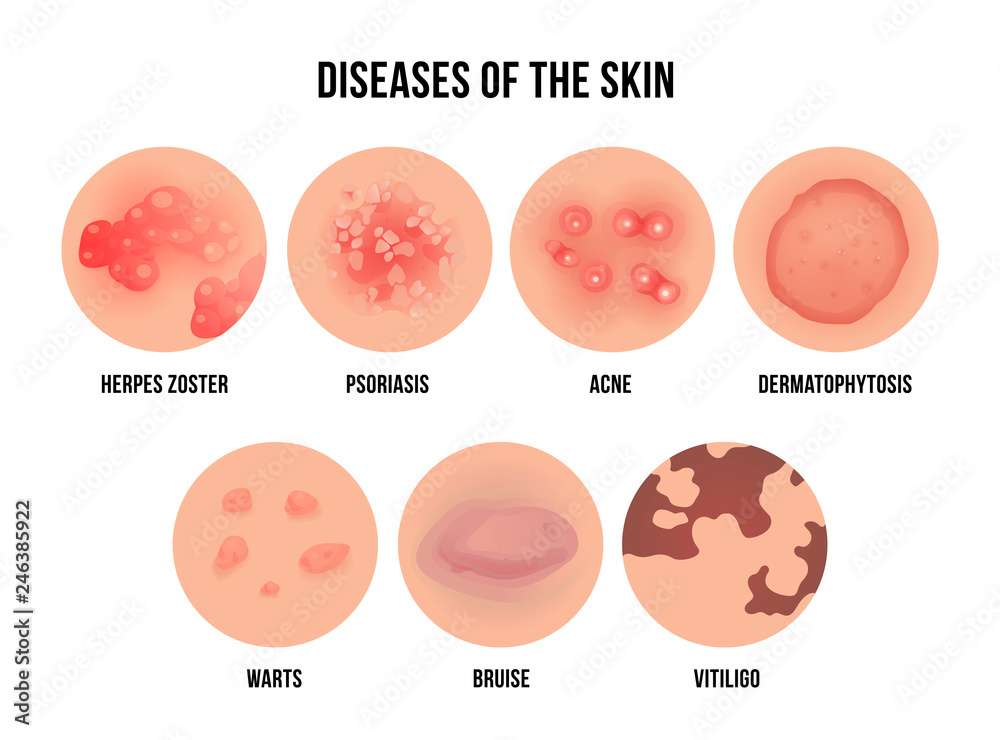
High blood pressure, or hypertension, is a common condition where the force of blood against artery walls is consistently too high. Managing it is crucial to prevent complications like heart disease or stroke.
- Symptoms and causes: Often asymptomatic but may include headaches or dizziness; caused by genetics, poor diet, obesity, or stress.
- Diagnosis: Multiple blood pressure readings above 130/80 mmHg during separate visits confirm diagnosis.
- Treatment options: Lifestyle modifications such as reducing salt intake, regular exercise, weight loss, and if needed, antihypertensive medications.
- Management expectations: Regular monitoring and adherence to lifestyle changes can significantly control blood pressure levels and reduce risks.
A proactive approach involving diet and activity adjustments alongside medical guidance offers effective hypertension control and improved long-term cardiovascular health.